The short answer
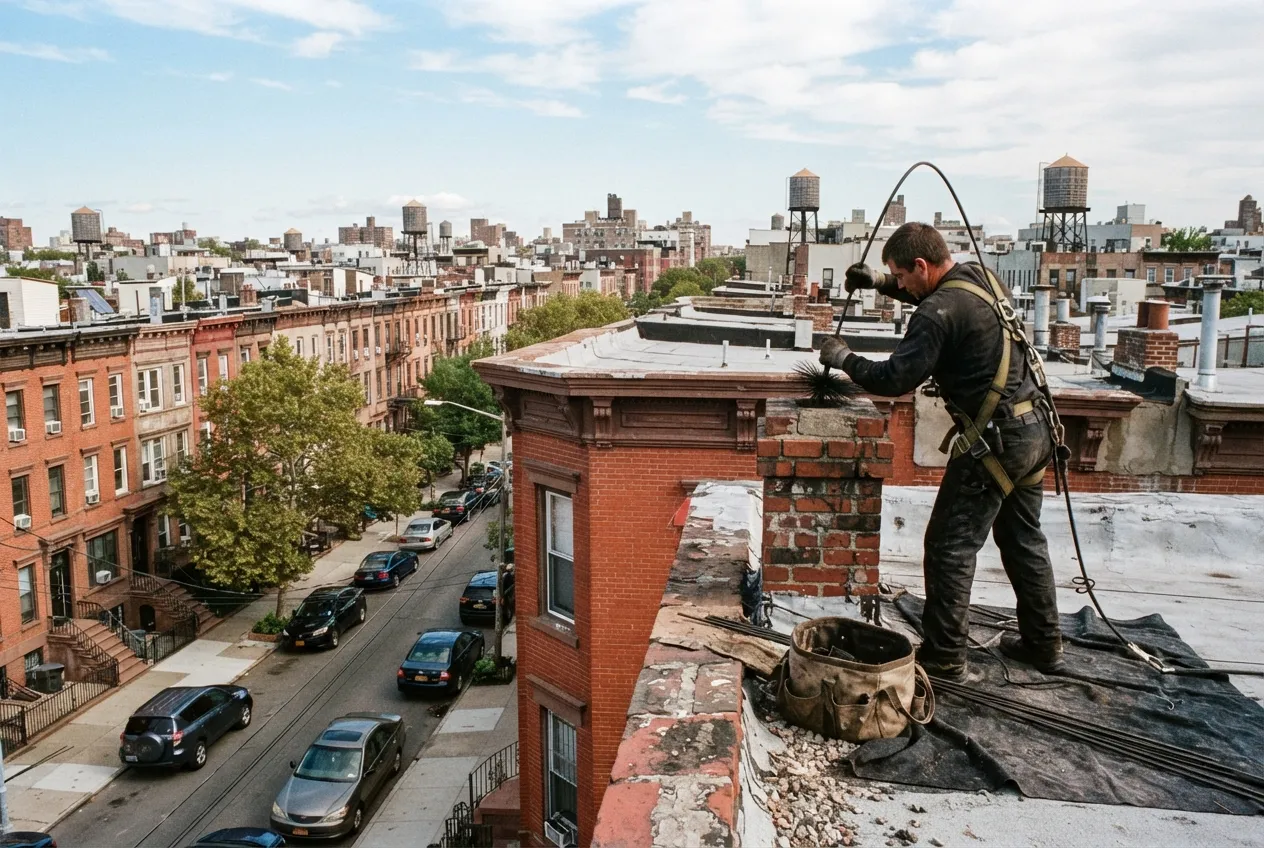
StrongHold Chimney Services repairs chimneys in Williamsburg, including repointing, crown and cap work, flashing leaks and new flue liners. Every job starts with an inspection so the repair matches the real problem. We also help buildings converting from oil to gas get the chimney evaluated and relined.
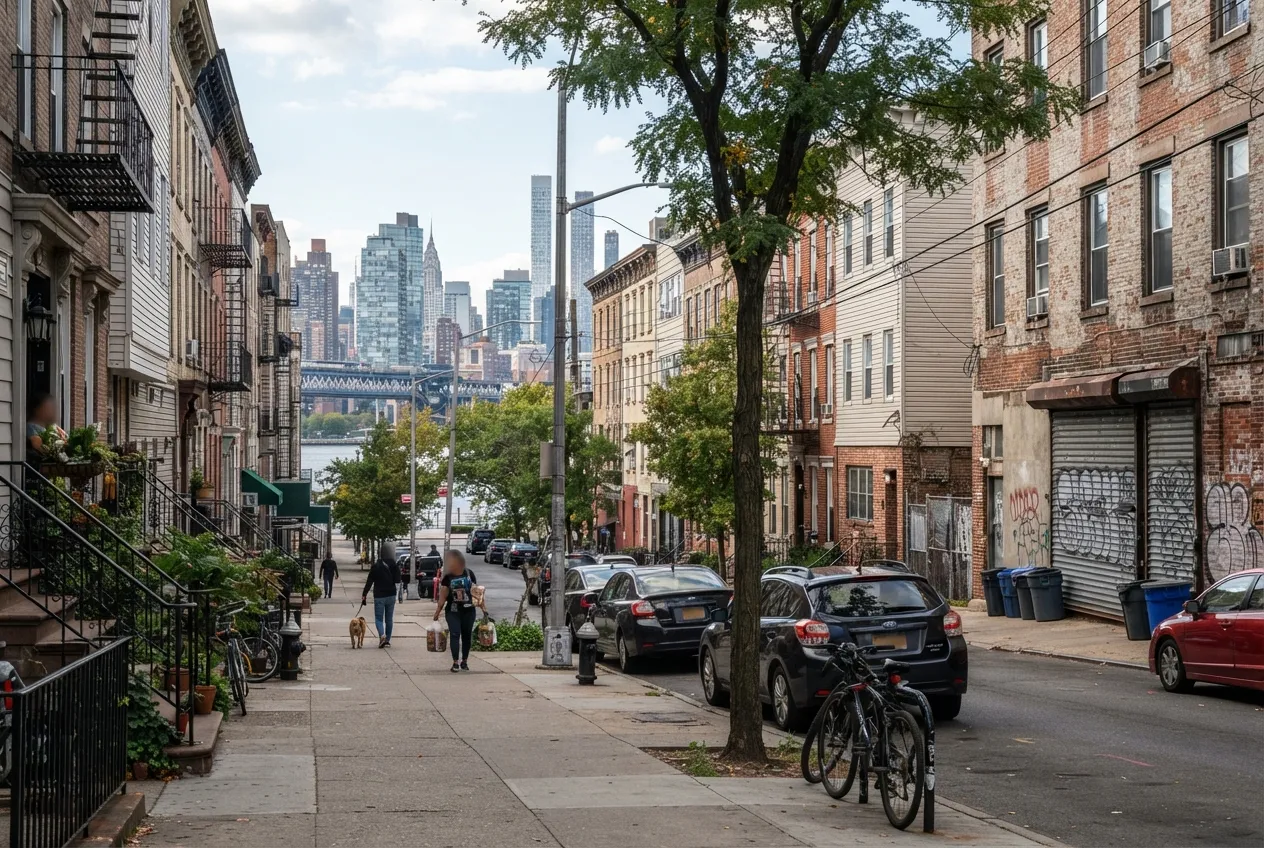
Williamsburg's housing runs from older brick rowhouses and brownstones to pre-war apartment buildings, newer conversions and the occasional detached home. Many of these buildings still rely on masonry chimneys that have vented boilers, furnaces and fireplaces for decades. If a chimney is shedding brick, leaking into a top-floor ceiling or holding up a boiler project, StrongHold Chimney Services can repair it from our office at 82 S 6th St. Our certified technicians inspect first, explain what they found in plain terms and fix the problem that actually needs fixing.
Common Chimney Problems in Williamsburg Buildings
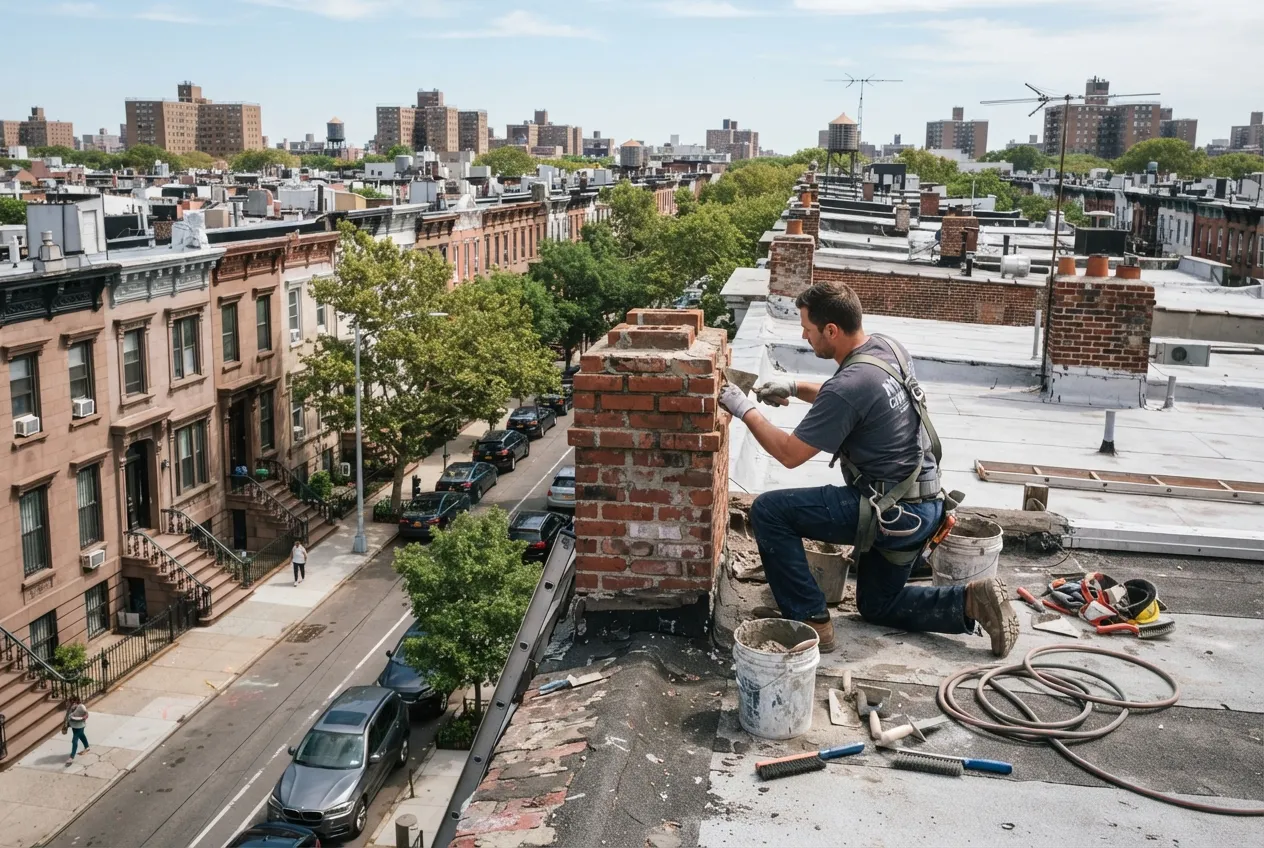
Most chimneys in the neighborhood are brick and mortar, and the masonry above the roofline takes the hardest beating. Freeze-thaw cycles, wind-driven rain and years of hot exhaust wear down the joints until water finds a way in. Inside, the flue can crack or erode, especially if it has carried exhaust from more than one type of fuel over the years.
Rowhouses and brownstones often share party walls and closely spaced flues. That means a leak or a failing flue in one chimney can show up as staining or odors in a neighboring room. Pre-war apartment buildings usually have one large boiler chimney, so trouble there can affect the whole building's heat and hot water.
- Crumbling or missing mortar joints that need repointing
- Spalling, cracked or loose brick on the stack
- Cracked or missing chimney crown
- Rusted, missing or wrong-size chimney cap
- Leaking flashing where the chimney meets the roof
- Cracked, gapped or deteriorated flue tiles
- Damaged firebox or smoke chamber in wood-burning fireplaces
Liners and Oil-to-Gas Conversions
Many Williamsburg buildings have switched their heating from oil to gas, and others are planning to. In New York City, the chimney has to be evaluated as part of that conversion, and a new liner is often needed. Gas exhaust produces acidic condensate, which can corrode an unlined or tile-lined masonry flue from the inside.
If your building is converting, or converted years ago and never had the flue checked, we can inspect the chimney, assess its condition and install a liner suited to the appliance it serves. Bringing us in early helps keep the chimney from delaying the rest of the boiler work.
How We Approach a Repair
Every repair starts with an inspection. The NFPA 211 standard calls for chimneys, fireplaces and vents to be inspected once a year, and chimney professionals use three inspection levels. A Level 1 inspection is used when nothing about the system has changed. A Level 2 inspection is called for when the system changes, for example a new appliance or a switch of fuel, or when the home is sold. A Level 3 inspection is used when a hidden hazard can only be reached by opening part of the chimney or the building.
After the inspection, we walk you through what we found and what your options are. Small issues, like a missing cap or a few failed mortar joints, are often straightforward to fix. Larger work, such as rebuilding a stack above the roof or relining a flue, is explained step by step before it starts, so you know what is being done and why.
Time for your annual chimney check?
Timing Repairs Around Heat Season
New York City's heat season runs from October 1 through May 31. During that period, building owners must keep apartments heated to the city's minimum temperatures. A chimney problem that shuts down a boiler in January causes far more disruption than one found in July. For multi-family buildings, late spring and summer are usually the easiest times to schedule relining, crown replacement or major masonry work.
Leaks and safety concerns should not wait for a convenient season, though. If you see water staining near the chimney, smell exhaust indoors, or find brick or tile debris in the fireplace or at the base of the flue, schedule an inspection right away.
Neighborhoods We Serve Near Williamsburg
From our Williamsburg office, we also handle chimney repair in South Williamsburg, East Williamsburg and Greenpoint, and across the river in the Lower East Side and East Village. Housing in these areas is similar: rowhouses, brownstones, pre-war walk-ups and larger apartment buildings, along with some detached homes. The same chimney problems tend to appear throughout the area, and we repair them the same careful way.
More services in Williamsburg
- Chimney Sweep in Williamsburg
- Chimney Inspection in Williamsburg
- Air Duct Cleaning in Williamsburg
- Chimney Liner Installation in Williamsburg