The short answer
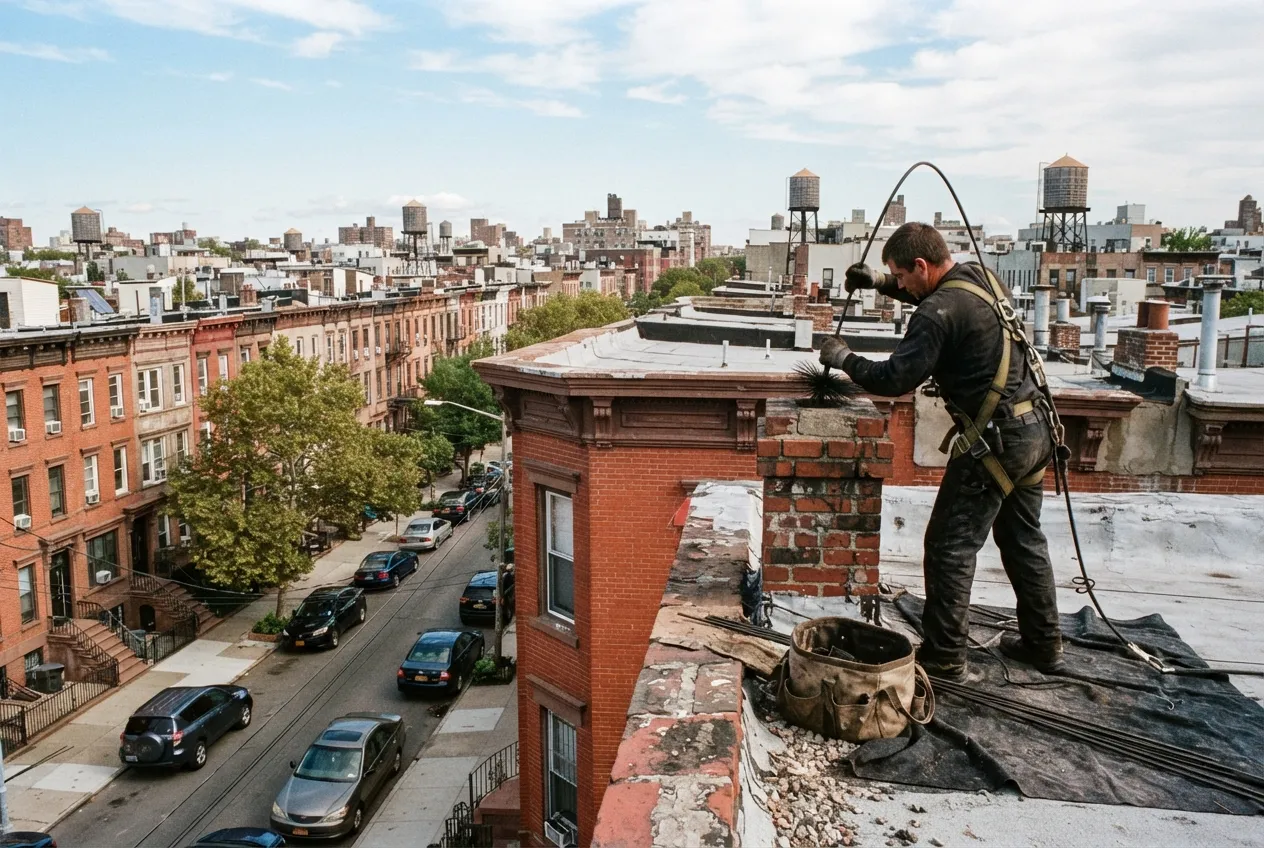
East Williamsburg homes often need a new chimney liner when old clay tiles crack, when a new heating appliance goes in, or when a building converts from oil to gas. StrongHold Chimney Services inspects the flue, recommends a liner sized for your appliance, and installs it from the roof down.
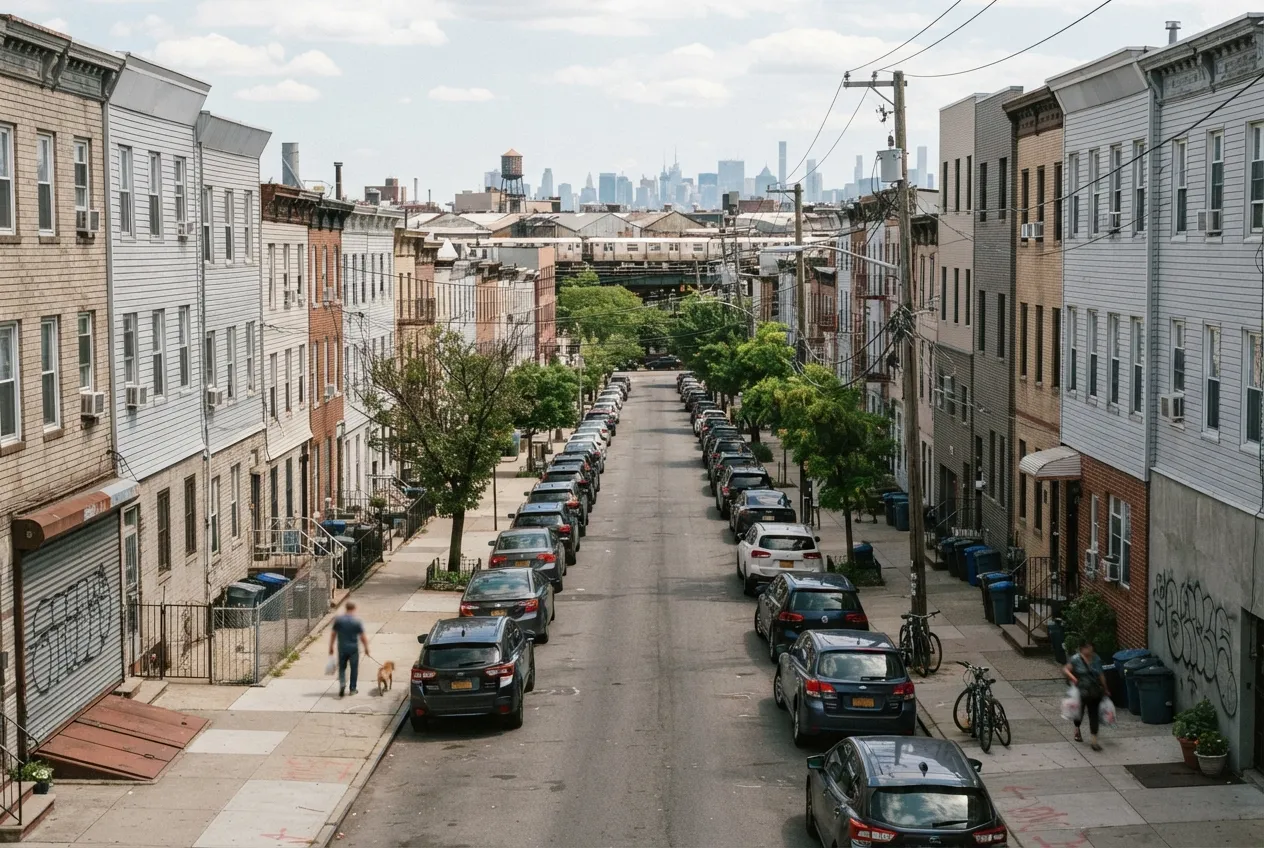
Many homes in East Williamsburg were built long before today's boilers, water heaters and fireplace inserts. A chimney that served a coal or oil system decades ago may now vent a gas appliance it was never designed for. An unlined or cracked clay flue can also let heat, exhaust gases and moisture reach parts of the house where they don't belong. StrongHold Chimney Services installs chimney liners for rowhouses, small multifamily buildings and pre-war apartment buildings across ZIP codes 11206 and 11211. Our office in Williamsburg is about 2 miles west, so getting to you is easy.
Signs Your East Williamsburg Chimney May Need a New Liner
A liner is the inner channel that carries exhaust up and out of the house. In older masonry chimneys it is usually clay tile. Over time, tiles crack, joints wash out and mortar breaks down, and some older chimneys have no liner at all. These problems are usually found during an inspection, because you can't see them from the living space. That is one reason the NFPA 211 standard calls for chimneys, fireplaces and vents to be inspected once a year.
- Cracked, shifted or missing flue tiles found during an inspection
- Flakes of tile or masonry collecting at the base of the chimney or in the cleanout
- Water stains, white mineral deposits or damp spots on walls next to the chimney
- A new boiler, water heater or fireplace insert that needs a properly sized flue
- A switch from oil heat to gas heat
Oil-to-Gas Conversions in Brooklyn Buildings
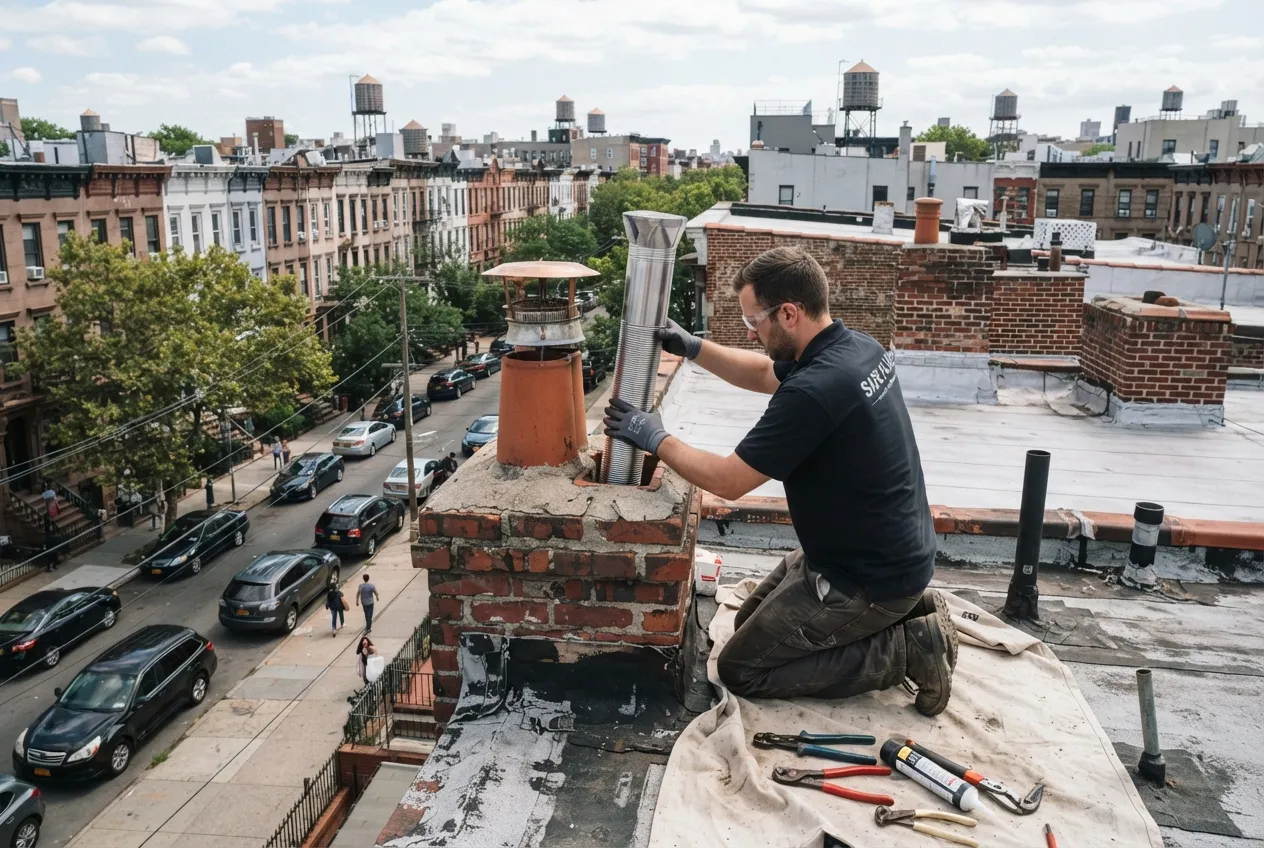
Many buildings in this part of Brooklyn have already switched from oil heat to gas, or plan to. When a New York City building converts its boiler from oil to gas, the chimney has to be evaluated as part of that work. A new liner is often needed. Gas exhaust produces acidic condensate, and that condensate can corrode a masonry flue that handled oil exhaust for years without trouble.
We work with property owners and their heating contractors. We check the existing flue, confirm what the new appliance needs, and install a liner sized for it. Changing the appliance or the fuel counts as a change to the system. Chimney professionals use a Level 2 inspection in that situation, and it is the same level used when a home is sold.
Liner Options We Install
The right liner depends on three things: what vents through the chimney, the size and shape of the flue, and how the chimney runs through the building. We explain the options for your setup before any work starts.
- Stainless steel liners for gas, oil and wood-burning appliances, matched to the fuel
- Flexible liners for chimneys with offsets or bends, which are common in older rowhouses
- Rigid liners for straight runs where they fit
- Insulation where needed, so the flue stays warm and drafts properly
- Top plates and caps that seal the liner at the crown and keep out rain and animals
Time for your annual chimney check?
What Installation Looks Like
Our certified technicians start with an inspection, usually by running a camera down the flue so you can see the condition of the existing liner for yourself. If the chimney needs a liner, we explain why and tell you what we recommend.
On installation day, we protect the area around the appliance or fireplace and clean the flue so the new liner goes into a clear channel. Then we lower the liner from the roof, connect it to the appliance, seal the top, and confirm the system drafts as it should. In attached rowhouses and apartment buildings, we plan roof access and work areas ahead of time to keep disruption to neighbors and tenants as low as possible.
Plan Liner Work Before Heat Season
New York City's heat season runs from October 1 through May 31. During those months, building owners must keep apartments heated to the city's minimum temperatures. If your boiler vents through a chimney that needs a liner, late spring or summer is the easier time to do the work. In the middle of winter, a boiler shutdown affects every tenant.
Beyond East Williamsburg, we also install chimney liners in nearby Williamsburg, South Williamsburg, Greenpoint and Clinton Hill, and across the river on the Lower East Side.
More services in East Williamsburg
- Chimney Sweep in East Williamsburg
- Chimney Inspection in East Williamsburg
- Chimney Repair in East Williamsburg
- Air Duct Cleaning in East Williamsburg