The short answer
The NFPA 211 standard calls for chimneys, fireplaces and vents to be inspected once a year, and most East Williamsburg homes need a Level 1 inspection. You need a Level 2 inspection if you change appliances, switch fuels (including an oil-to-gas boiler conversion) or sell the home. Schedule before heating season starts October 1 if you can.
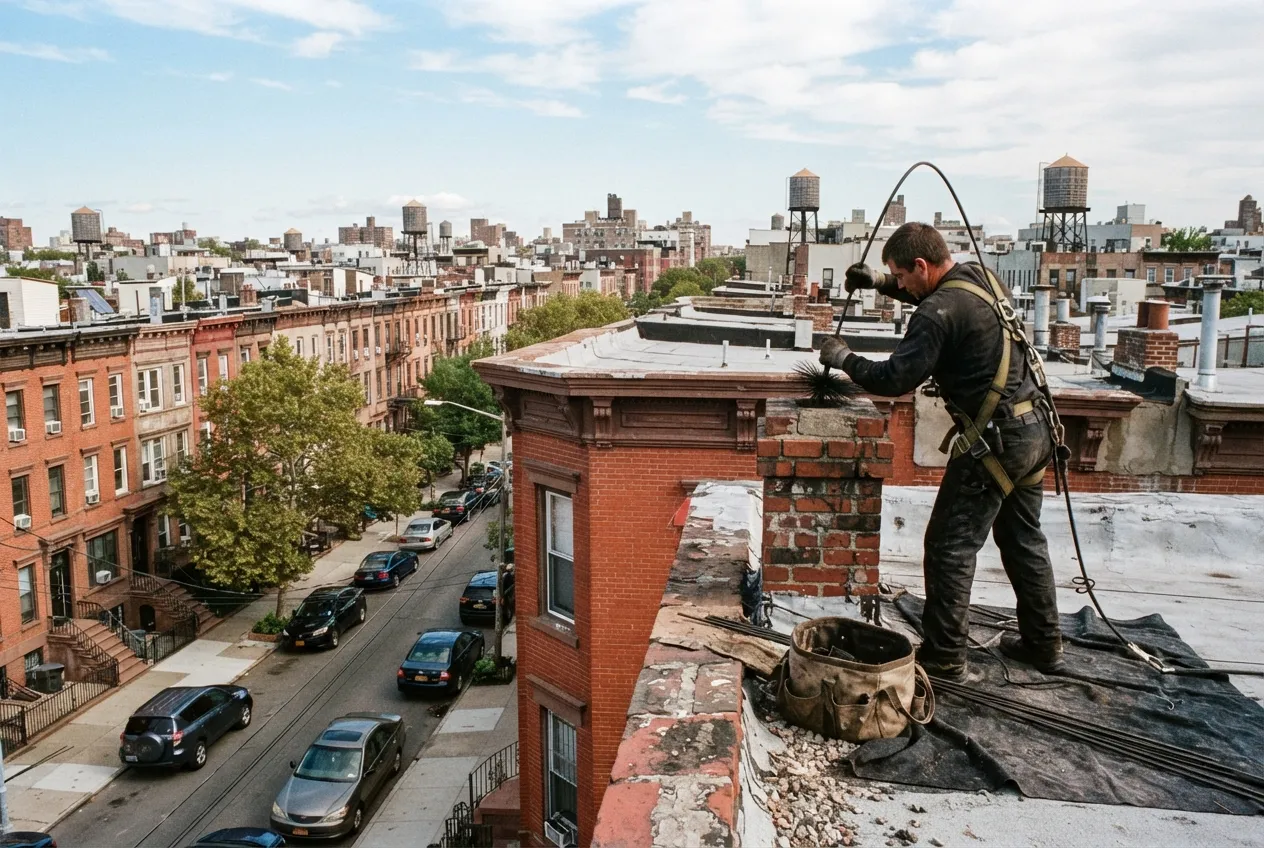
Most chimneys in East Williamsburg do a lot of work and get looked at rarely. You might own a rowhouse with a fireplace you light on winter weekends, or a pre-war multifamily building with a boiler venting through an old masonry flue. Either way, a yearly inspection is how you find out what is happening inside before it turns into a problem. StrongHold Chimney Services is based in Williamsburg, about 2 miles west of East Williamsburg. Our certified technicians inspect chimneys throughout ZIP codes 11206 and 11211. Below is what an inspection covers, which level you likely need, and how to plan around the heating season.
What the Yearly Inspection Standard Calls For
The NFPA 211 standard calls for chimneys, fireplaces and vents to be inspected once a year. The standard covers wood-burning fireplaces, and it also covers the chimney that carries exhaust from a gas or oil boiler or water heater. Using a chimney rarely does not mean it is in good shape. Nests, fallen debris, loose mortar and water damage build up whether or not you light a fire.
Chimney professionals use three inspection levels:
- Level 1: The standard yearly check when nothing about the system has changed. We look at the accessible parts of the chimney, the fireplace or appliance connection, and the flue for blockages and obvious damage.
- Level 2: Needed when the system changes, such as a new appliance or a switch of fuel, or when the home is sold. This level goes further and usually includes a camera inspection of the flue's interior.
- Level 3: Used only when a hidden hazard has to be reached by opening part of the chimney or the building. We recommend it only when an earlier inspection points to a problem that can't be confirmed any other way.
Chimneys in East Williamsburg Homes
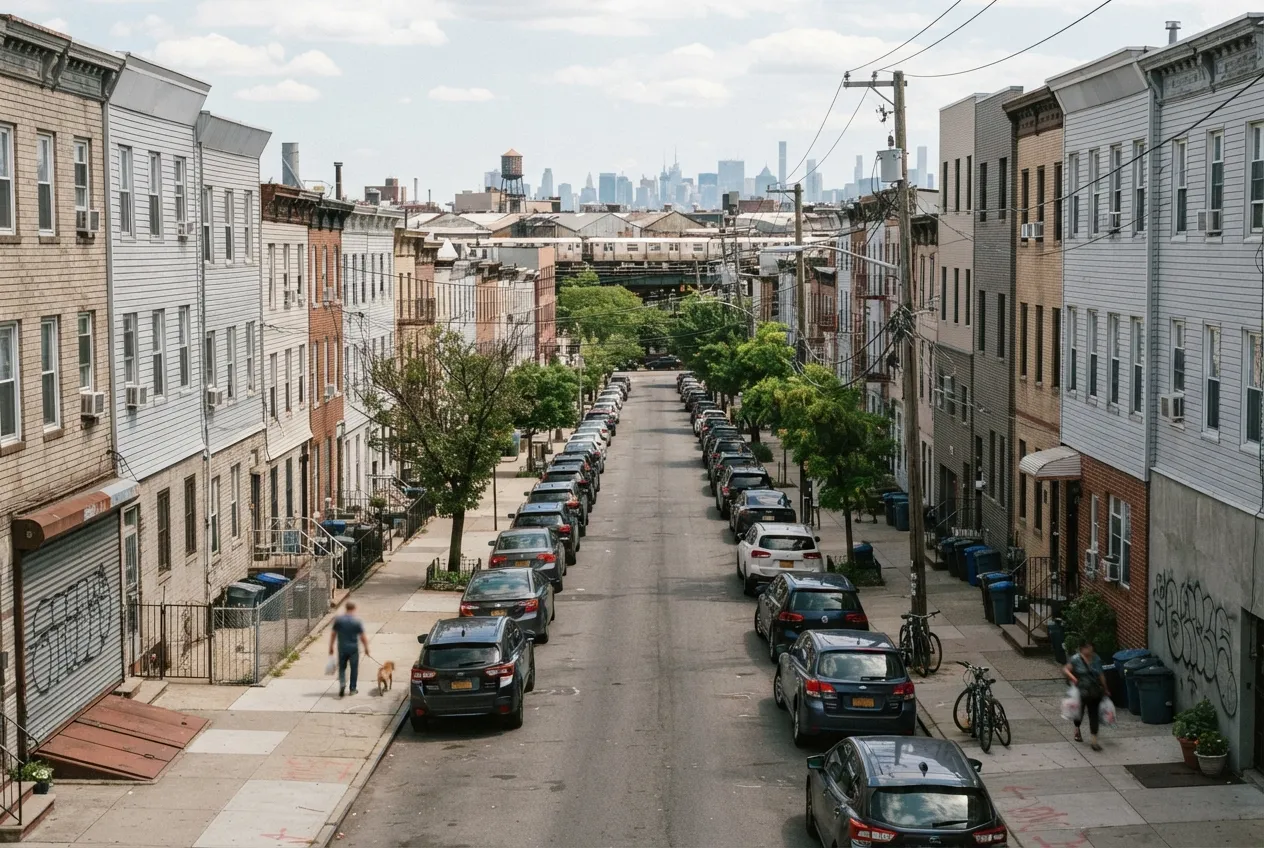
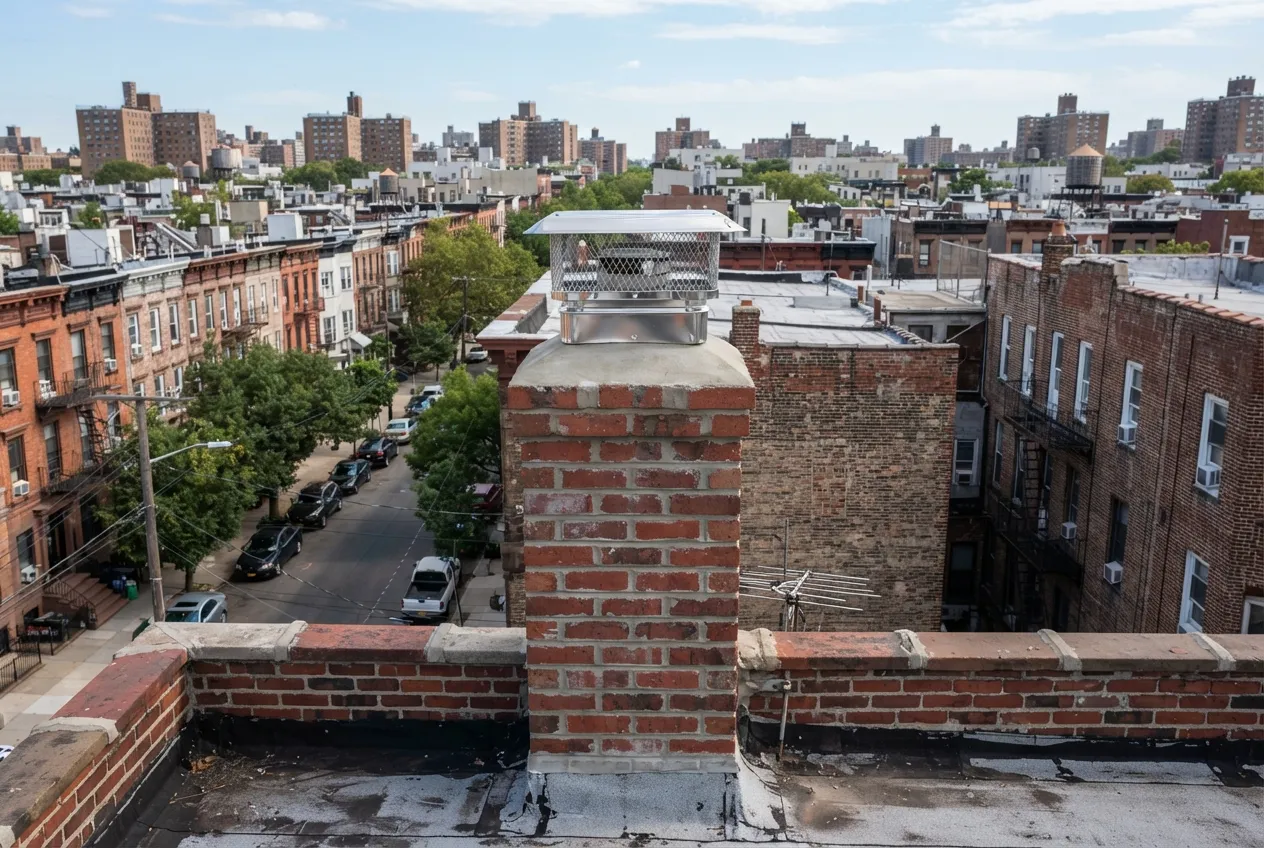
The housing in East Williamsburg is mixed. Older rowhouses and small multifamily buildings stand alongside pre-war apartment buildings with central boilers and newer buildings with metal venting. Many of the older buildings have masonry chimneys that have been through a lot of winters. Mortar joints wear down, crowns crack, and clay flue tiles can shift or break where you can't see them from the street.
Attached rowhouses sometimes share chimney structures. In older buildings, a fireplace may have been sealed off for years before someone decides to use it again. A closed-off fireplace should get a full inspection before its first fire. Damper problems, missing liner sections and debris in the smoke chamber are common in fireplaces that have sat unused.
Inspections for Oil-to-Gas Boiler Conversions
Many buildings in the neighborhood have moved, or are planning to move, from oil heat to gas. When a New York City building converts its boiler from oil to gas, the chimney has to be evaluated as part of the work. A new liner is often needed because gas exhaust produces acidic condensate that can corrode a masonry flue.
A fuel switch calls for a Level 2 inspection. We check the flue's size, condition and lining so you and your heating contractor know whether the existing chimney can safely vent the new equipment or needs a liner first. Get the inspection done early in your planning so the chimney work doesn't hold up the boiler installation.
Time for your annual chimney check?
What We Check During an Inspection
Every inspection starts with the parts we can reach and see. If anything raises a question, we go further.
- Chimney crown, cap and the top of the flue for cracks, missing pieces and animal entry
- Exterior brick and mortar joints, plus the flashing where the chimney meets the roof
- Firebox, damper and smoke chamber on fireplaces
- Creosote buildup inside wood-burning flues
- The connection between a boiler or water heater and the chimney
- Flue liner condition, including a camera inspection when the level calls for it
- Blockages from nests, leaves or fallen masonry
Planning Around Heat Season
New York City's heat season runs from October 1 through May 31. During those months, building owners must keep apartments heated to the city's minimum temperatures. If you own a multifamily building, a chimney problem found in January can put you in a tough position. Inspecting in late summer or early fall gives you time to make repairs before the boiler has to run every day.
If the season has already started, an inspection is still worthwhile. Our crew works from Williamsburg, close to East Williamsburg, and covers nearby Greenpoint, South Williamsburg, Clinton Hill and the Lower East Side as well. After every inspection, we walk you through what we found in plain language and show you photos of anything that needs attention.
More services in East Williamsburg
- Chimney Sweep in East Williamsburg
- Chimney Repair in East Williamsburg
- Air Duct Cleaning in East Williamsburg
- Chimney Liner Installation in East Williamsburg