The short answer
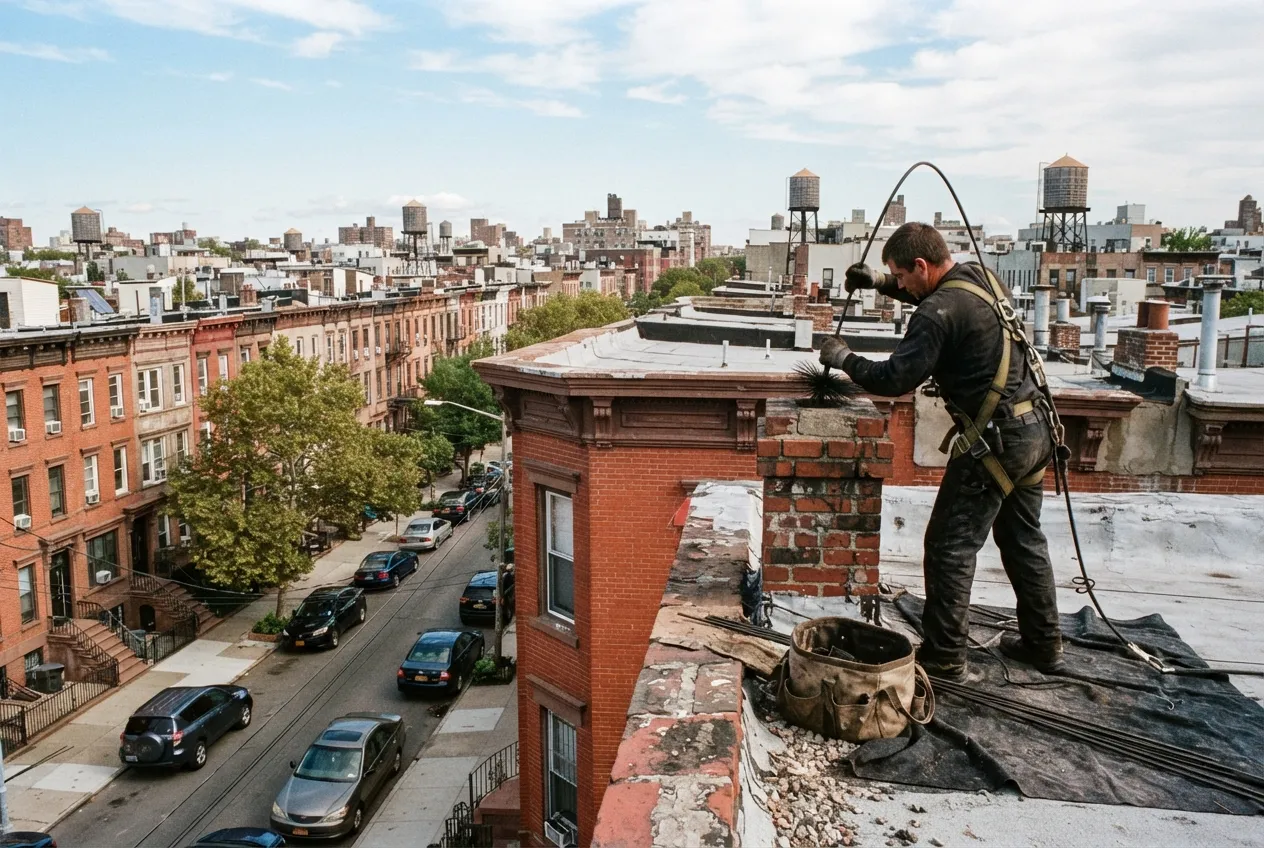
An older masonry chimney in South Williamsburg usually needs a liner when the flue is cracked, too large for a modern appliance, or serving a boiler converted from oil to gas. StrongHold Chimney Services inspects the flue first, then installs a liner sized to your appliance and fuel.
Many homes in South Williamsburg still vent boilers, furnaces, water heaters and fireplaces through old masonry chimneys that were never built for today's appliances. A chimney liner gives exhaust a sealed, correctly sized path out of the house and protects the brick and mortar around it. StrongHold Chimney Services installs liners for homeowners and building owners in ZIP code 11249, working from our office in Williamsburg, about a mile away. Here is what to know before you decide on one.
Why Older South Williamsburg Chimneys Need Liners
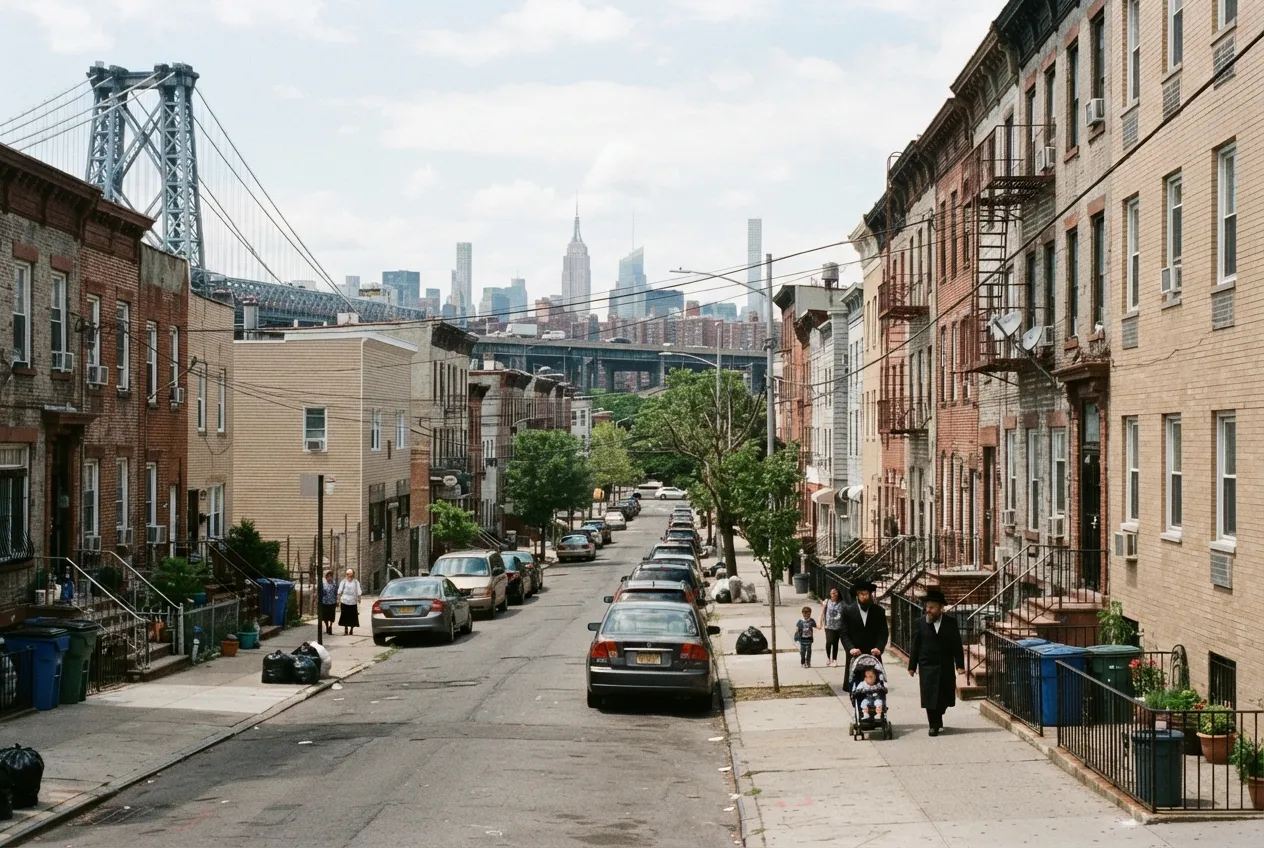
The housing here leans toward brick rowhouses, brownstones, small multifamily buildings and pre-war apartment buildings. Many of their chimneys were built as bare masonry flues or with clay tile that has since cracked, shifted or lost mortar. Gaps in a flue let heat, smoke and carbon monoxide reach framing or seep into neighboring rooms and units. That is a real concern in attached buildings that share walls.
A liner also fixes sizing problems. A flue that once served a large coal or oil appliance is often too big for a modern, more efficient boiler or water heater. In an oversized flue, exhaust cools too fast, draft weakens, and moisture condenses on the inside walls. A liner matched to the appliance keeps exhaust moving and protects the masonry.
Liners and Oil-to-Gas Conversions in New York City
If you're converting a boiler from oil to gas, New York City requires the chimney to be evaluated as part of that work. A new liner is often needed. Gas exhaust produces acidic condensate that can corrode a masonry flue, even one that handled oil without trouble for years.
We coordinate with your heating contractor so the liner is inspected, sized and installed to fit the new appliance. Planning the liner early keeps the conversion from stalling at the last step.
Signs You May Need a New Liner
Any of these signs is a reason to have the flue inspected before you use it again.
- Flakes of tile, brick or mortar collecting at the base of the flue or in the cleanout
- White staining, damp spots or peeling paint on walls near the chimney
- Rust on the vent connector, or water at the base of the chimney
- Smoke or exhaust odors in the house, especially when the heat is running
- Weak draft, backdrafting, or a fireplace that smokes into the room
- A new boiler, furnace or water heater, or a switch from oil to gas
Time for your annual chimney check?
How a Liner Installation Works
Every job starts with an inspection. The NFPA 211 standard calls for chimneys to be inspected once a year, and it describes three inspection levels. A Level 2 inspection is the right fit when the heating system changes or the home is sold. If a hidden problem can only be reached by opening part of the chimney or wall, that is a Level 3 inspection. The steps after the inspection usually look like this:
- Our certified technicians inspect the flue and confirm which appliance or fireplace it serves.
- We size the liner to that appliance and choose a material suited to the fuel, typically stainless steel for gas and oil appliances.
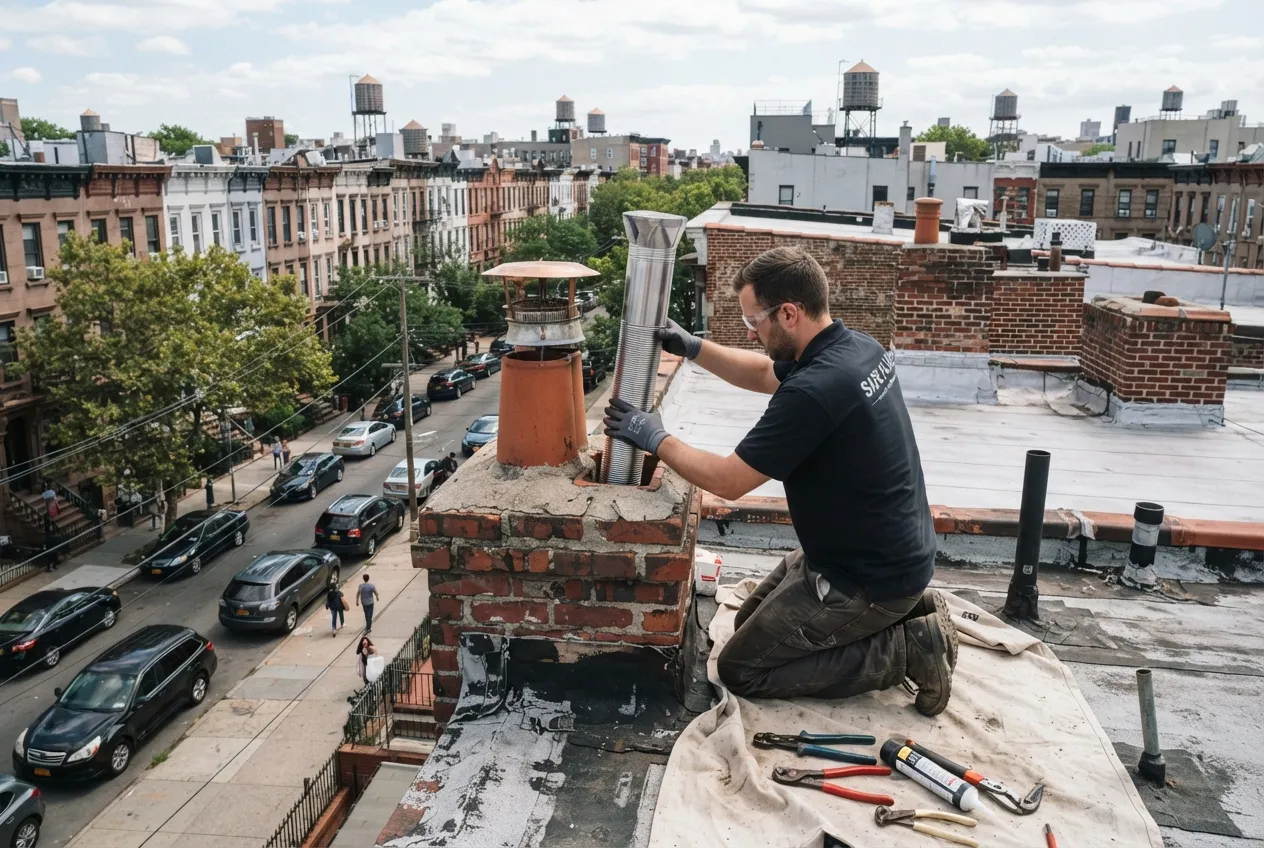
- We clean the flue, lower the liner from the roof, and connect it at the base.
- We cap the top, seal the connections, and check draft with the appliance running.
- You get photos and a plain explanation of the work.
Planning Around Heat Season
New York City's heat season runs from October 1 through May 31. During that time, building owners must keep apartments heated to the city's minimum temperatures. If you own a multifamily building, a boiler shut down because of a failed flue can quickly become a heat problem for your tenants.
Scheduling inspections and liner work in late spring or summer gives you time to fix what turns up without the pressure of cold weather. If a problem appears mid-season, we'll talk through options for keeping downtime short.
Serving South Williamsburg and Nearby Neighborhoods
Our crews work throughout 11249 and the surrounding area, including Williamsburg, East Williamsburg, Clinton Hill, Fort Greene and Downtown Brooklyn. You might have a single fireplace in a rowhouse or a boiler flue serving a whole building. Either way, we look at your chimney before recommending anything and explain whether a liner makes sense.
More services in South Williamsburg
- Chimney Sweep in South Williamsburg
- Chimney Inspection in South Williamsburg
- Chimney Repair in South Williamsburg
- Air Duct Cleaning in South Williamsburg