The short answer
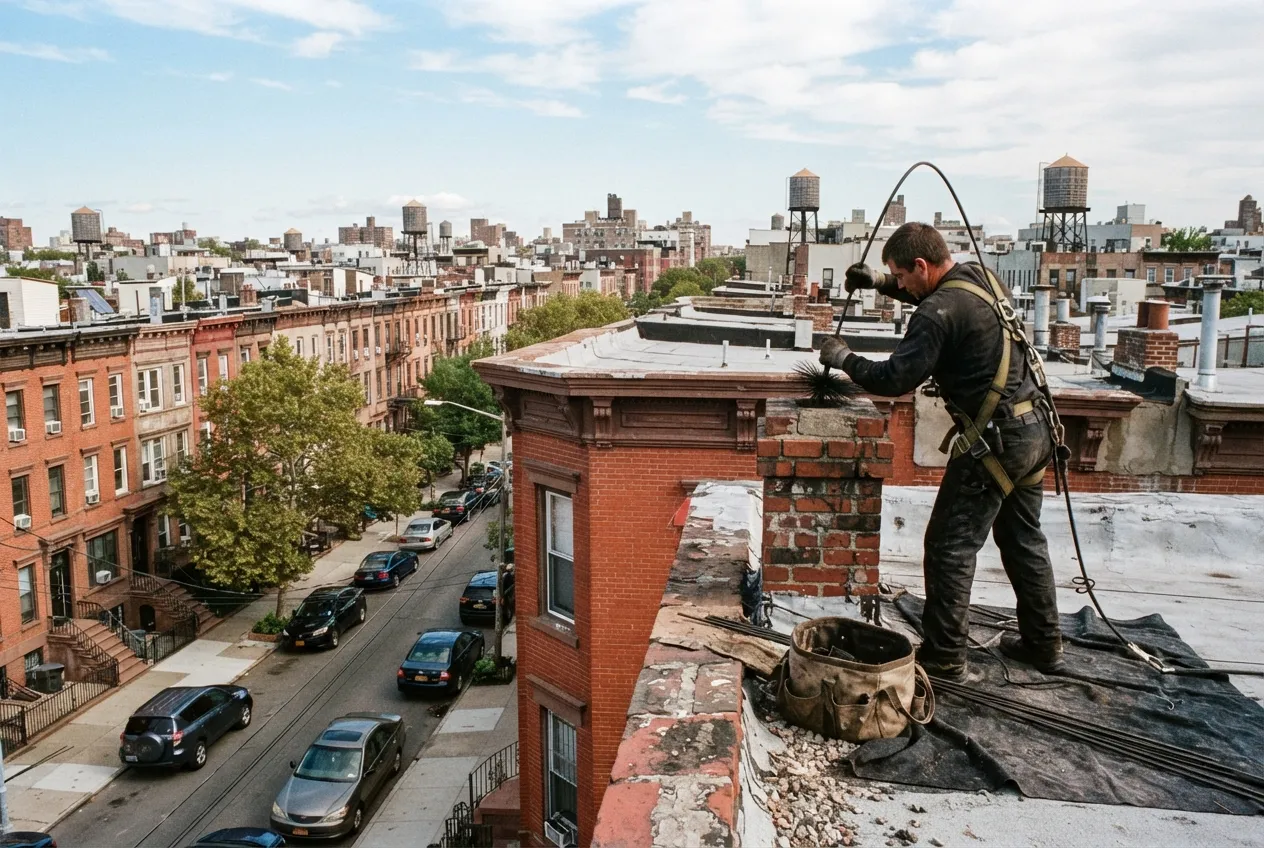
Under the NFPA 211 standard, a chimney should be inspected once a year, and a more detailed inspection is called for when you change appliances or fuel or sell the home. StrongHold Chimney Services inspects chimneys in South Williamsburg's older rowhouses, brownstones and apartment buildings, and we tell you clearly what we found and what it means.
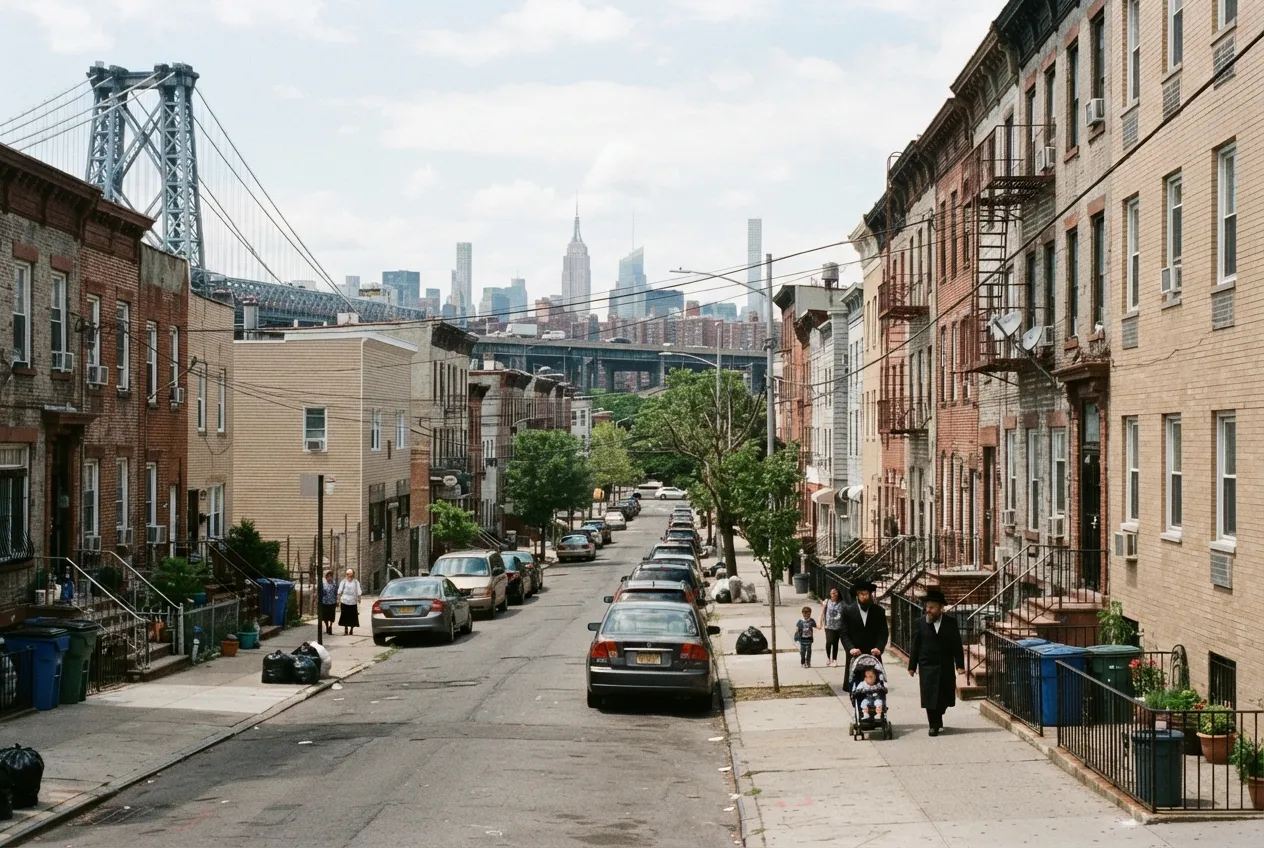
If you own a rowhouse, a brownstone or a pre-war apartment building in South Williamsburg, your chimney has probably seen many decades of use and more than one heating system. Our office is in Williamsburg, about a mile northwest of South Williamsburg, so our certified technicians can reach homes in the 11249 ZIP code easily. A chimney inspection tells you whether your flue, liner, masonry and connections are safe to use. It also tells you what, if anything, needs attention before the next heating season. We explain what we find in plain language and show you the problem areas, so you can make your own decisions.
Which Inspection Level Your Home Needs
The NFPA 211 standard calls for chimneys, fireplaces and vents to be inspected once a year. Chimney professionals use three inspection levels, and the right one depends on what has changed in your home.
Most South Williamsburg homeowners with a stable setup need only a Level 1 inspection each year. A Level 2 inspection is common when a building has gone through a boiler replacement or a sale.
- Level 1: For a system that hasn't changed. We check the accessible parts of the chimney, the flue and the appliance connection for soundness, blockages and deposits.
- Level 2: For a system change, such as a new appliance or a switch of fuel, or when the home is sold. This level includes a camera inspection of the flue interior.
- Level 3: For a suspected hidden hazard that can only be reached by opening part of the chimney or the building. We recommend this only when earlier findings call for it.
What We Look For in South Williamsburg Homes
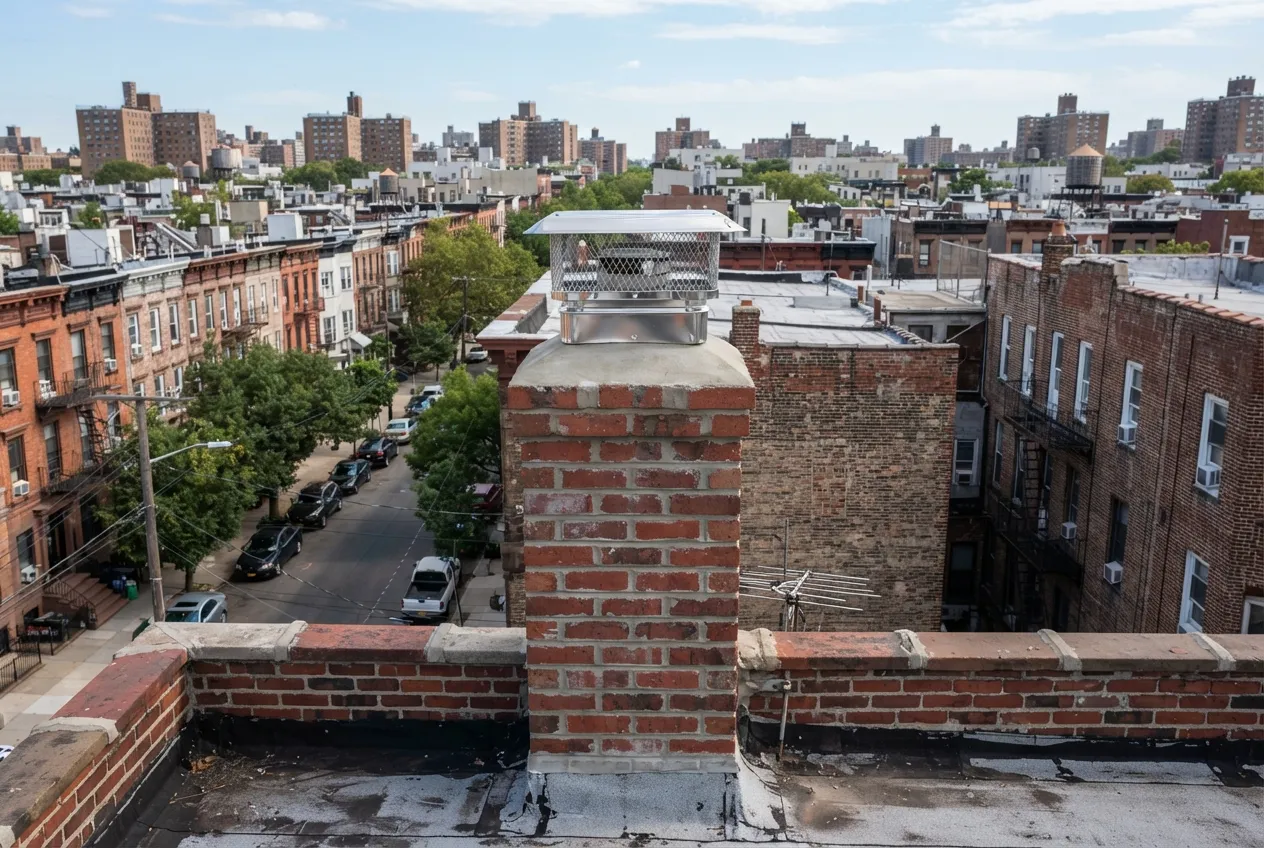
Much of the housing in South Williamsburg is older masonry construction: attached rowhouses, brownstones and pre-war apartment buildings, along with some newer buildings. Older chimneys in attached homes can share walls with neighboring flues. Many have been altered over the years as fireplaces were closed off, boilers were swapped and roofs were redone.
During an inspection we pay close attention to the problems that tend to show up in this kind of building stock.
- Cracked, missing or deteriorated flue tiles in unlined or partially lined masonry flues
- Loose or eroded mortar joints and spalling brick at the chimney top
- Damaged crowns, missing caps and gaps in flashing that let water into the chimney
- Creosote buildup in wood-burning fireplaces
- Blockages from debris, nesting animals or fallen masonry
- Poor connections between the boiler or water heater and the chimney
Inspections for Oil-to-Gas Conversions
Many Brooklyn buildings have converted their boilers from oil to gas. When a New York City building makes this conversion, the chimney has to be evaluated as part of the work. Gas exhaust produces acidic condensate that can corrode a masonry flue, so a new liner is often needed.
If your building is planning a conversion or has recently finished one, a Level 2 inspection shows the condition of the existing flue. It also helps you understand whether a liner is part of the job. We tell you what we see and why it matters, so you can plan the work with your heating contractor.
Time for your annual chimney check?
Timing Your Inspection Around Heat Season
New York City's heat season runs from October 1 through May 31. During that time, building owners must keep apartments heated to the city's minimum temperatures. If you own a multi-unit building, finding a chimney problem in January can put you in a hard position.
Scheduling your inspection in late spring or summer gives you time to make any repairs before the heat comes back on. If you heat with a fireplace or wood stove, an inspection before your first fire of the season is a sensible habit. If you notice smoke backing up, unusual odors or water stains near the chimney at any time of year, call for an inspection before you keep using the system.
What to Expect During the Visit
Our technician will ask about your heating equipment, fuel type and any recent changes or problems. Then we inspect the parts of the chimney the inspection level calls for. For a Level 2 inspection, that includes a camera run through the flue. We work cleanly and protect the area around the fireplace or appliance.
Afterward, we walk you through what we found and show you photos or video of any problems. We explain which items are urgent and which can wait. If cleaning or repair is needed, we tell you what is involved, and the decision is yours. We also serve nearby Williamsburg, East Williamsburg, Clinton Hill, Fort Greene and Downtown Brooklyn.
More services in South Williamsburg
- Chimney Sweep in South Williamsburg
- Chimney Repair in South Williamsburg
- Air Duct Cleaning in South Williamsburg
- Chimney Liner Installation in South Williamsburg