The short answer
Greenpoint homeowners should have their chimney inspected once a year, as the NFPA 211 standard calls for, even if it only vents a boiler or water heater. A more detailed Level 2 inspection is needed when you change appliances or fuel, such as converting from oil to gas, or when the home is sold.
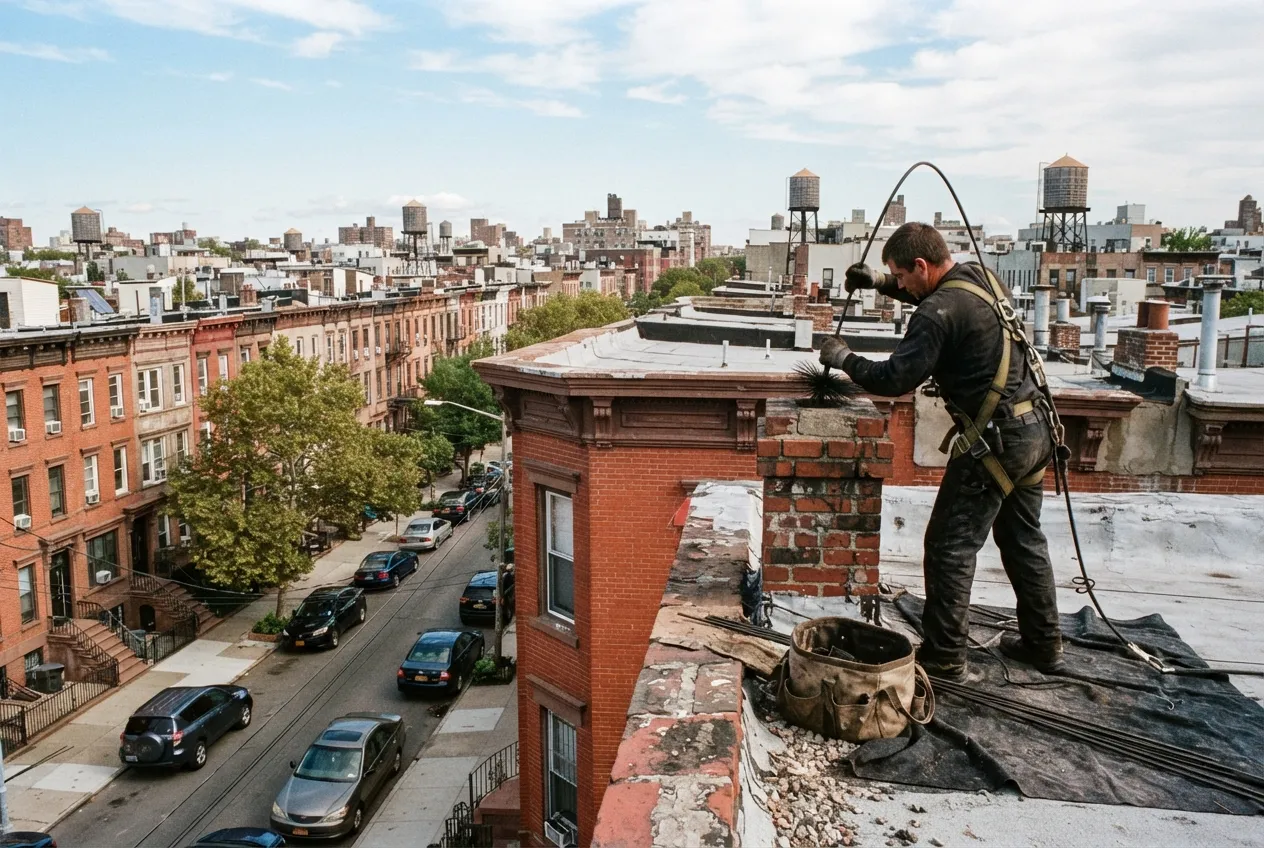
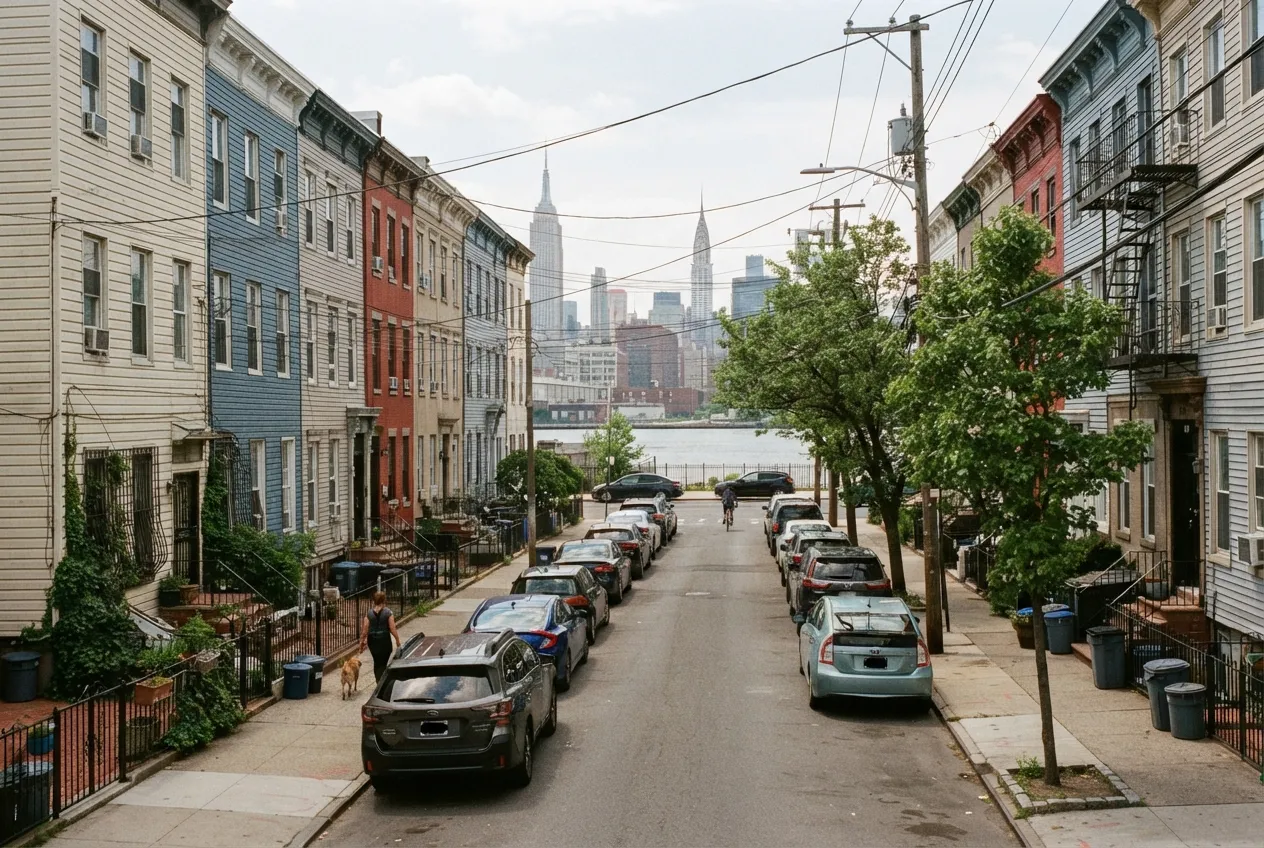
Most chimneys in Greenpoint work quietly in the background, venting a boiler, a water heater or a fireplace without anyone giving them much thought. That is exactly why they need a yearly look. StrongHold Chimney Services inspects chimneys in rowhouses, multi-family homes and pre-war apartment buildings throughout Greenpoint (11222). Our office is in Williamsburg, about 2 miles away, so getting to you is a short trip. Our certified technicians check the flue, liner, masonry, cap, crown and appliance connections. Then they explain in plain language what they found and what, if anything, needs attention.
How Often Your Chimney Should Be Inspected
The NFPA 211 standard calls for chimneys, fireplaces and vents to be inspected once a year. This applies whether you burn wood a few nights each winter or your chimney only vents a gas boiler. Venting problems are not always visible from inside the home, and a flue can deteriorate even when the appliance attached to it seems to run fine.
Chimney professionals use three levels of inspection. The right one depends on your situation:
- Level 1: For a system that hasn't changed since its last inspection. We check the readily accessible parts of the chimney, the appliance connection and the flue for blockages, deposits and obvious damage.
- Level 2: For when something changes, such as a new boiler, water heater or stove, or a switch of fuel. It also applies when the home is being sold. This is a more detailed look at the full length of the flue, including areas that are hard to see.
- Level 3: For when a hidden hazard has to be reached by opening part of the chimney or the building. We recommend it only when a Level 2 inspection points to a problem that can't be confirmed any other way.
What We Look For in Greenpoint Homes
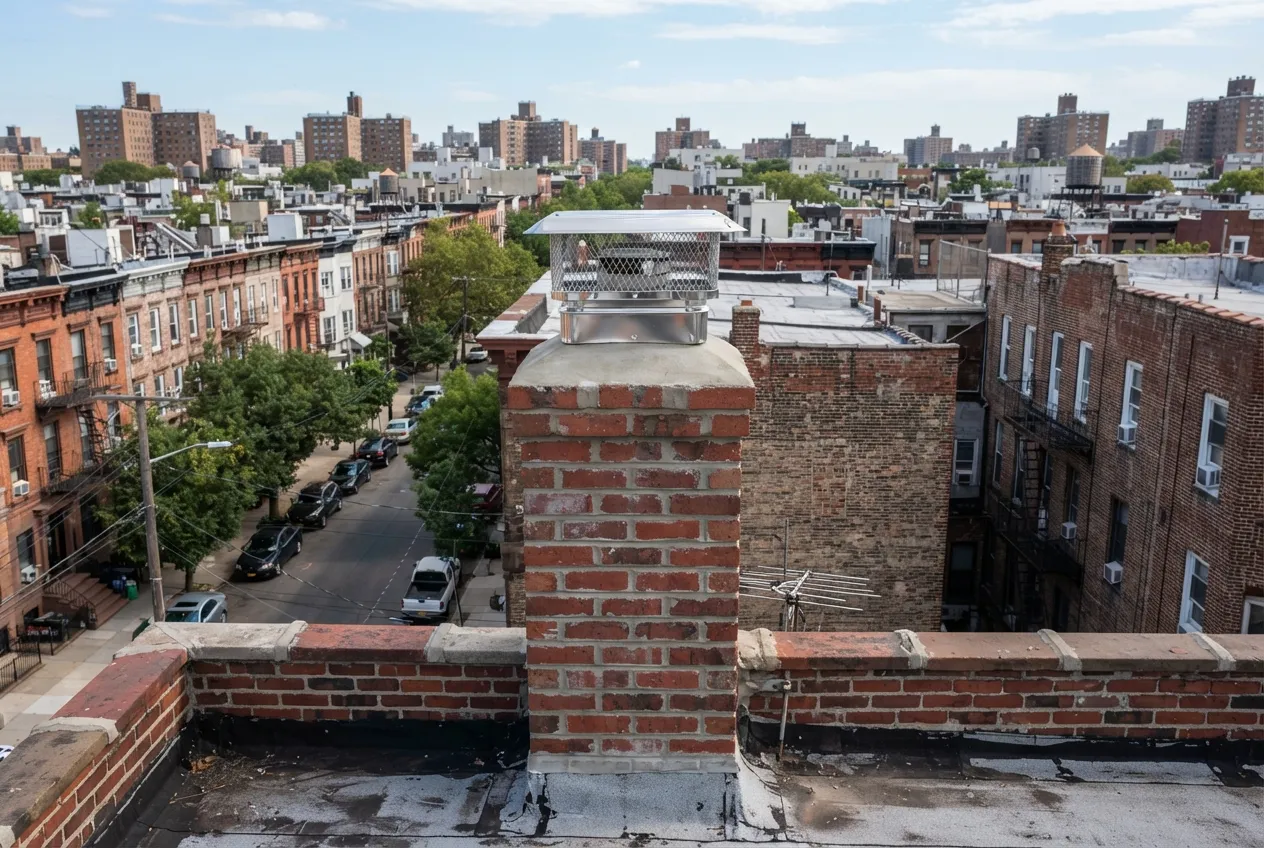
Most of Greenpoint's housing is older: attached rowhouses, two- and three-family homes, and pre-war apartment buildings, with some newer construction mixed in. Many of these chimneys were built for coal or oil and have since been asked to handle different appliances. That history tends to show up in specific ways, so our technicians check for:
- Unlined or partially lined masonry flues, and liners that have cracked, shifted or separated at the joints
- Loose mortar, spalling brick and damaged crowns that let water into the chimney
- Missing or rusted caps that let in rain, debris, birds and other animals
- Problems in chimneys of attached homes, where damage can affect more than one household
- Fireplaces that were sealed off years ago and may not be safe to use without work
- Connector pipes from the boiler or water heater that have rusted, sagged or come apart
Converting From Oil to Gas
Some Greenpoint buildings still heat with oil, and many owners are switching to gas. When a New York City building converts its boiler from oil to gas, the chimney has to be evaluated as part of the work. A new liner is often needed. Gas exhaust produces acidic condensate, and that condensate can corrode a masonry flue that handled oil exhaust without trouble.
A fuel switch is a change to the venting system, so it calls for a Level 2 inspection. We can evaluate the chimney before the conversion starts. That way, you and your heating contractor know early whether relining is part of the job instead of finding out partway through.
Time for your annual chimney check?
Timing Your Inspection Around Heat Season
New York City's heat season runs from October 1 through May 31. During that time, building owners must keep apartments heated to the city's minimum temperatures. If you own a multi-family building in Greenpoint, a chimney problem in the middle of winter can force a boiler shutdown while tenants still need heat.
Late spring and summer are the easiest times to schedule. An inspection then leaves room to plan any repairs or relining before October. We also inspect year-round, including in the middle of heat season if you notice a problem.
What to Expect During Your Visit
Our technicians start by asking what the chimney serves and whether anything has changed since its last inspection. Next, they examine the appliance connection, the flue and the exterior masonry, including the roof if it can be reached safely. Afterward, they walk you through what they found, point out any problems, and explain which items are urgent and which can wait.
Beyond Greenpoint, we also serve nearby Williamsburg, East Williamsburg and South Williamsburg, as well as the East Village and the Lower East Side.
More services in Greenpoint
- Chimney Sweep in Greenpoint
- Chimney Repair in Greenpoint
- Air Duct Cleaning in Greenpoint
- Chimney Liner Installation in Greenpoint