The short answer
Many older Downtown Brooklyn chimneys need a new liner because their original clay tiles have cracked, the flue was never lined, or the heating system has changed. A properly sized liner protects the masonry and carries exhaust safely out of the building, and it is often needed when a boiler is converted from oil to gas.
A chimney liner is the channel inside your chimney that carries smoke and exhaust up and out of the house while keeping heat, moisture and corrosive byproducts away from the surrounding brick. In Downtown Brooklyn, many chimneys serving brownstones, rowhouses and pre-war apartment buildings were built long before today's boilers, water heaters and fireplace inserts. Some have cracked clay tiles. Some have no liner at all. Others were sized for appliances that were replaced decades ago. StrongHold Chimney Services installs chimney liners for homes and buildings in the 11201 ZIP code, working from our office in Williamsburg about two miles to the northeast. Our certified technicians inspect the flue first, then recommend a liner that fits the appliance it will serve and the chimney it has to fit inside.
Why Downtown Brooklyn Chimneys Often Need a New Liner
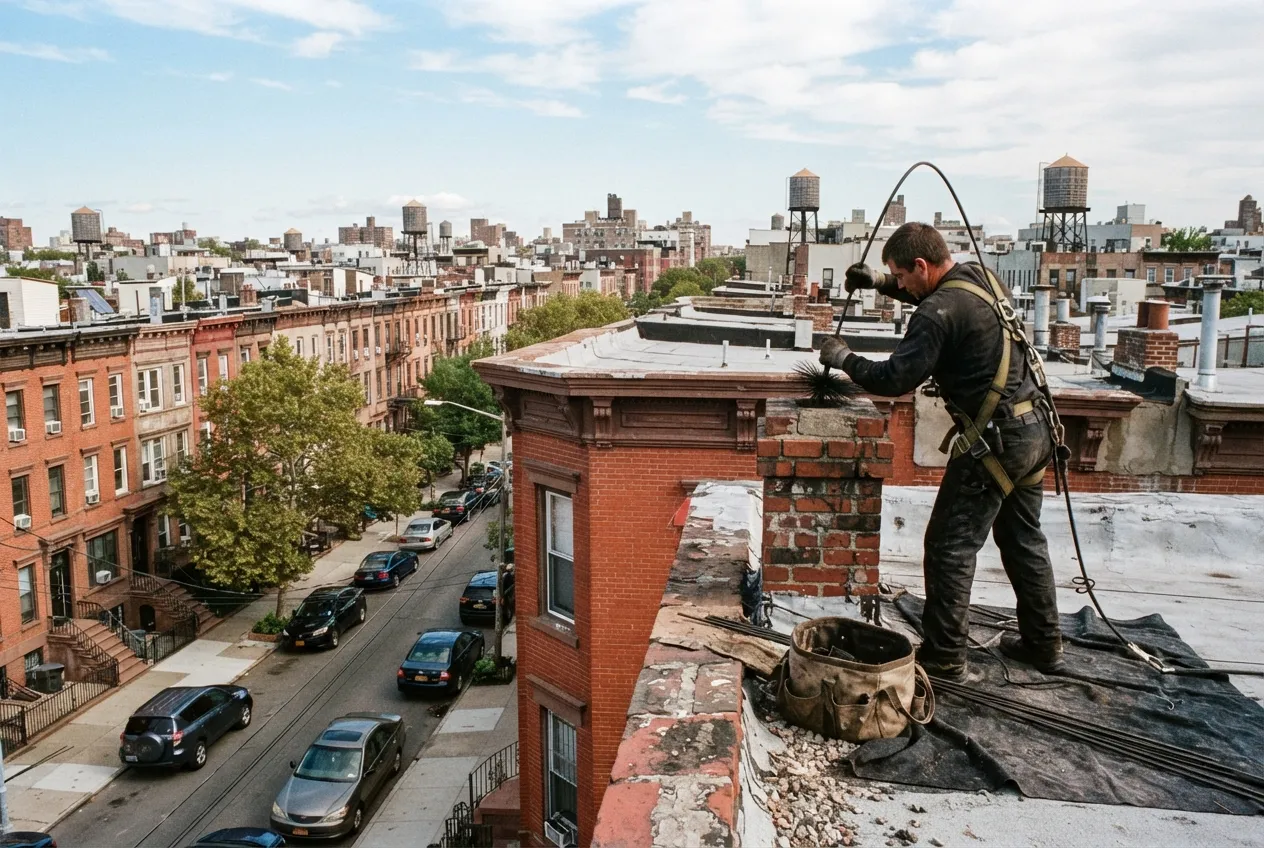
Masonry chimneys in older Brooklyn buildings take decades of heat, freeze-thaw cycles and moisture. Clay flue tiles crack, mortar joints between them wash out, and buildings settle in ways that leave tiles out of line. Exhaust can then reach the brick behind the tiles, and in shared walls it can reach the space next door.
Size matters too. A flue built for a coal stove or an old oil burner is often far larger than a modern appliance needs. When a small appliance vents into an oversized flue, the exhaust cools before it reaches the top. That weakens the draft and lets condensation form inside the chimney.
- Cracked, shifted or missing clay flue tiles
- Unlined flues in older brownstones and rowhouses
- Flues that are too large or too small for the current appliance
- Moisture stains, flaking brick or crumbling mortar near the chimney
- A new boiler, water heater or fireplace insert being added
Liners for Oil-to-Gas Boiler Conversions
When a New York City building converts its boiler from oil to gas, the chimney has to be evaluated as part of the work. A new liner is often needed because gas exhaust produces acidic condensate that can corrode a masonry flue. For owners of pre-war apartment buildings and multi-family rowhouses in Downtown Brooklyn, this step is a common part of a conversion project.
We work with building owners and their heating contractors to evaluate the existing flue and size a liner for the new equipment. We then install it so the conversion can move forward.
Inspection Comes Before Installation
The NFPA 211 standard calls for chimneys, fireplaces and vents to be inspected once a year. It describes three inspection levels. A Level 2 inspection applies when the system changes, such as a new appliance or a switch of fuel, or when a home is sold. A Level 3 inspection applies when a hidden hazard can only be reached by opening part of the chimney or building.
Before we recommend a liner, we look inside the full length of the flue, often with a camera. We note the condition of the tiles and mortar and measure the flue's shape and size. We also confirm which appliances vent into it, so you know what we found and why a particular liner makes sense.
Time for your annual chimney check?
How a Liner Installation Works
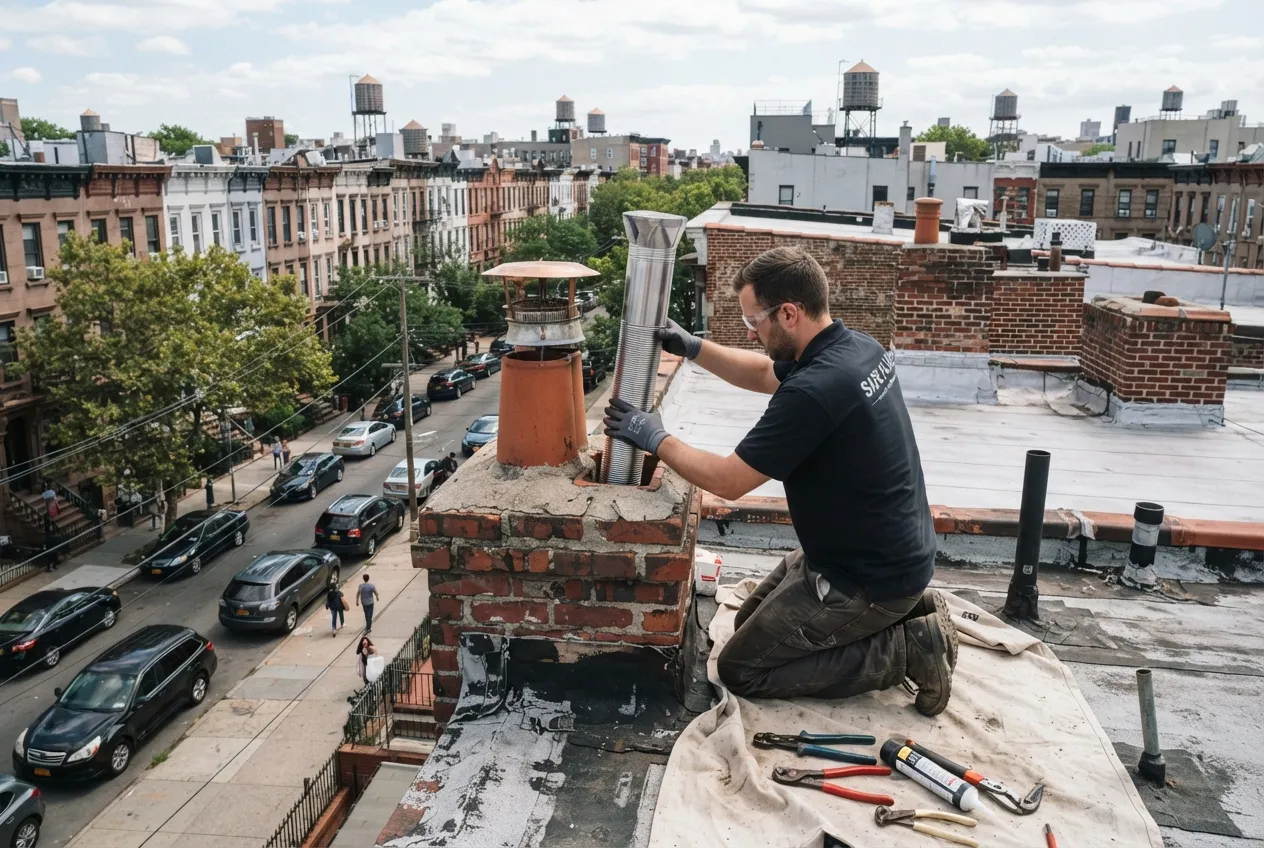
The right liner depends on the fuel, the appliance and the condition of the chimney. Stainless steel liners are a common choice for gas and oil appliances and for wood-burning inserts. Some chimneys call for a different approach. We explain the options that fit your situation before any work begins.
- Inspect and measure the flue from top to bottom
- Clean the chimney and remove debris or failed tile where needed
- Lower the liner through the flue and connect it to the appliance
- Add insulation where the liner and appliance call for it
- Install a top plate and cap to keep out rain and animals
- Check the draft and walk you through the finished work
Planning Around Heat Season
New York City's heat season runs from October 1 through May 31. During that time, building owners must keep apartments heated to the city's minimum temperatures. For buildings with tenants, it helps to plan liner work, especially work tied to a boiler conversion, before heat season begins or at a time when the heating system can be safely taken offline. If a problem turns up mid-winter, we help you plan the work to keep downtime short.
Serving Downtown Brooklyn and Nearby Neighborhoods
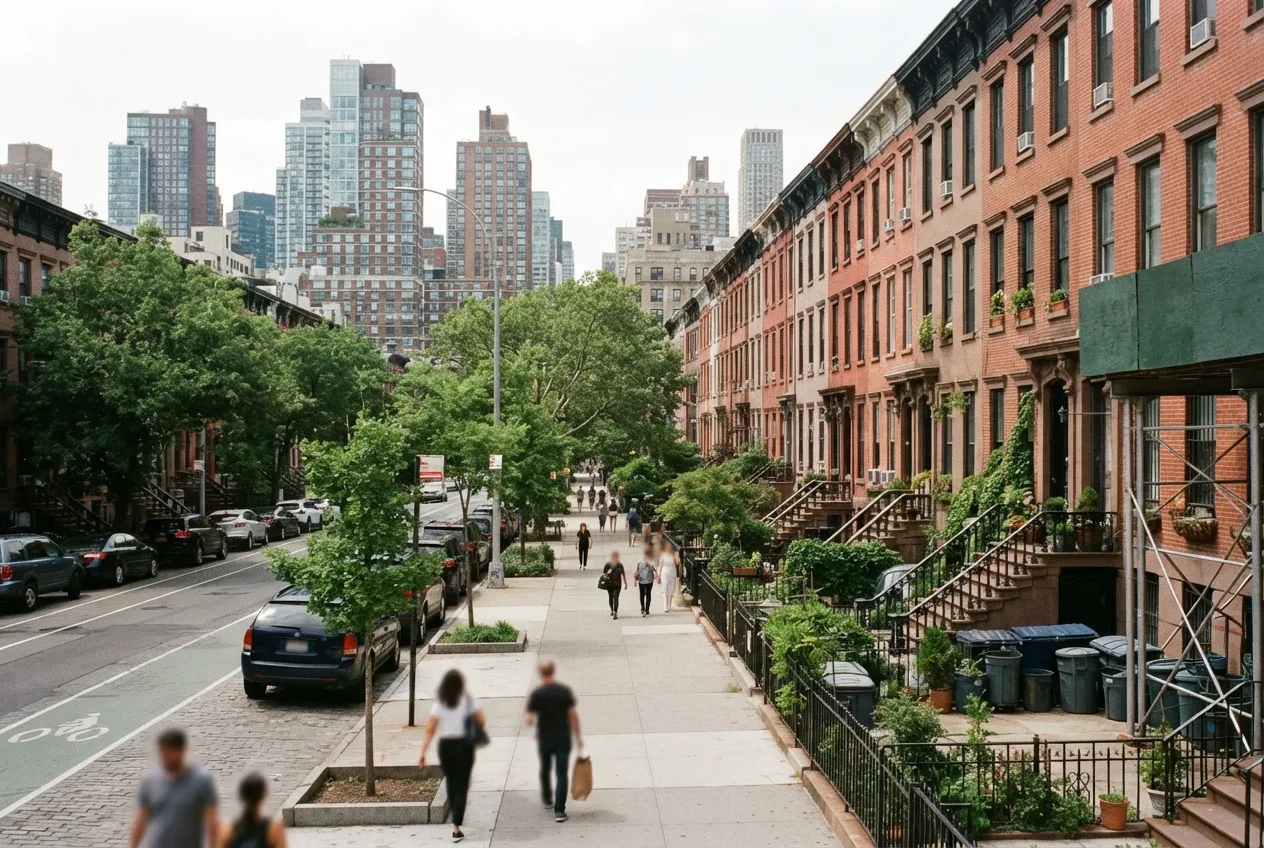
Along with Downtown Brooklyn, we install chimney liners in DUMBO, Fort Greene, Clinton Hill, Chinatown and Two Bridges. Whether you own a single brownstone with a fireplace or manage a pre-war building with a central boiler, we start with an inspection and give you a clear explanation of what the chimney needs.
More services in Downtown Brooklyn
- Chimney Sweep in Downtown Brooklyn
- Chimney Inspection in Downtown Brooklyn
- Chimney Repair in Downtown Brooklyn
- Air Duct Cleaning in Downtown Brooklyn