The short answer
Downtown Brooklyn homeowners should have their chimney, fireplace and vents inspected once a year, as the NFPA 211 standard recommends. The right inspection level depends on whether anything has changed, such as a new boiler, a fuel switch or a home sale. Booking before the heat season starts on October 1 helps make sure your heating system is ready when you need it.
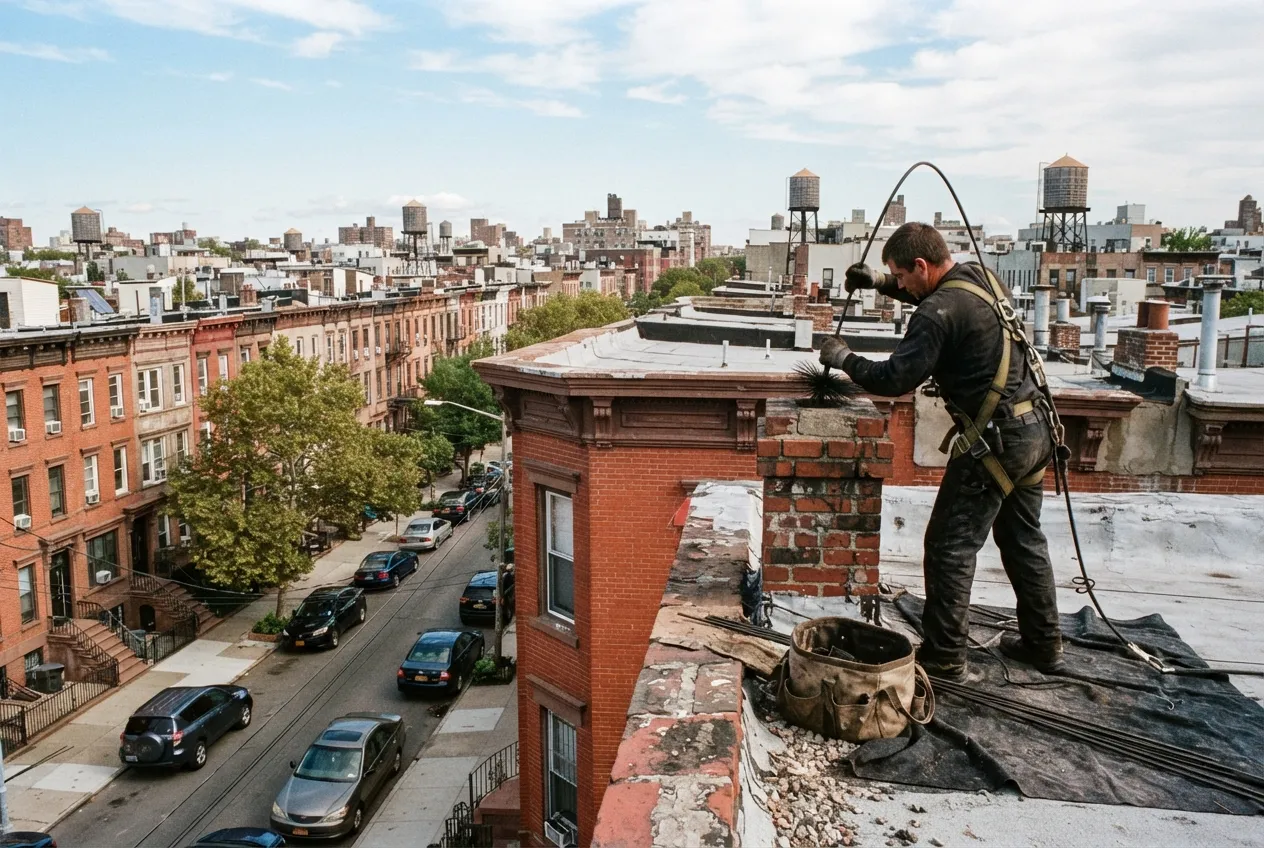
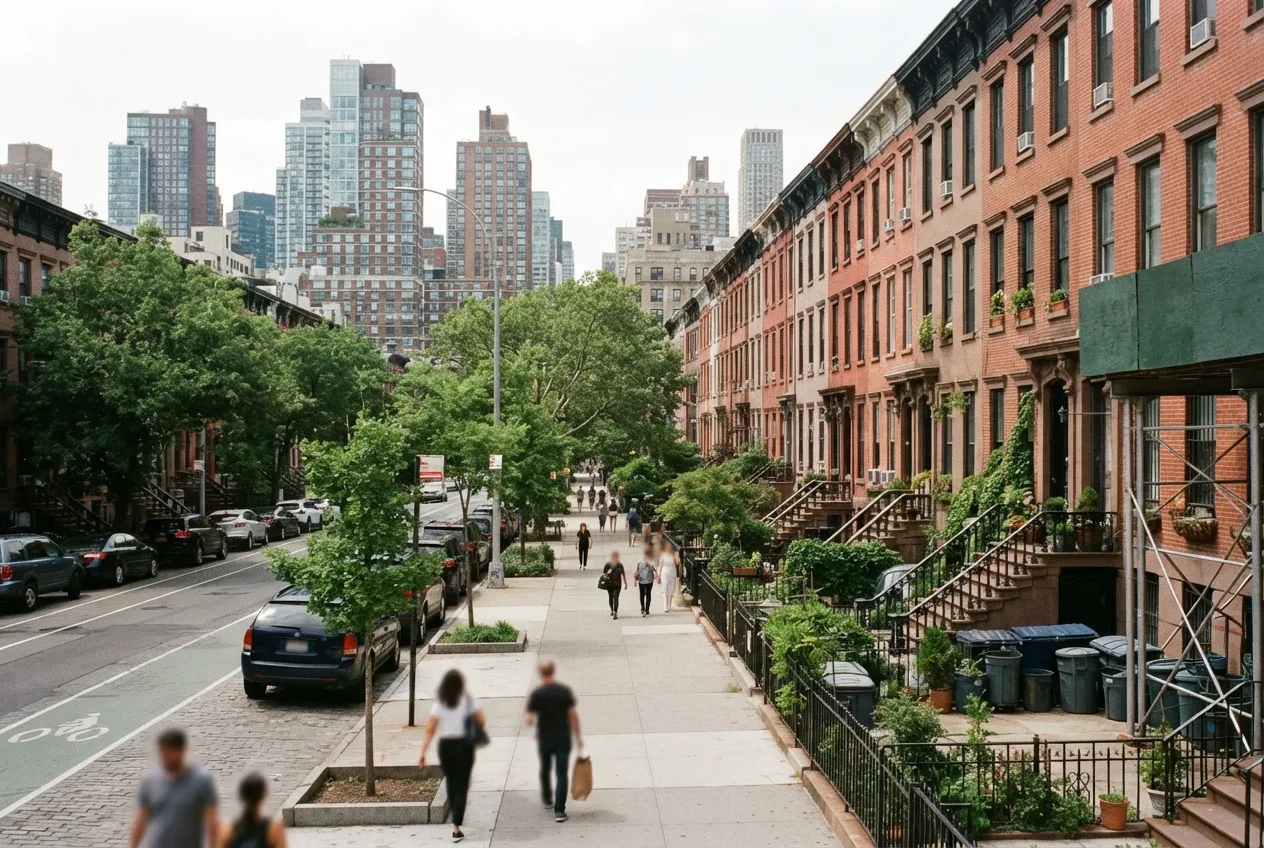
Downtown Brooklyn mixes brownstones and rowhouses on its side streets with pre-war apartment buildings and newer residential towers. Each of these homes moves smoke and exhaust in its own way, through a working fireplace, a boiler flue shared by several units, or a vent serving a newer appliance. A chimney inspection tells you whether that system is safe to use before you depend on it. StrongHold Chimney Services sends certified technicians from our Williamsburg office, about 2 miles northeast, to homes across the 11201 ZIP code. We also serve nearby DUMBO, Fort Greene, Clinton Hill, Chinatown and Two Bridges.
Why Yearly Inspections Matter in Downtown Brooklyn
The NFPA 211 standard calls for chimneys, fireplaces and vents to be inspected once a year. This applies whether you light a fireplace every weekend or only on a few holidays. A flue can crack, shift or collect debris even when it is rarely used, and older masonry chimneys in brownstones and rowhouses have often been through many years of freeze and thaw.
Timing matters here. New York City's heat season runs from October 1 through May 31, and building owners must keep apartments heated to the city's minimum temperatures during that period. If you own a brownstone with rental units or manage a small pre-war building, a chimney problem found in January is much harder to fix than one found in late summer. Inspecting before heat season gives you time to make repairs without leaving tenants or your own family in the cold.
Choosing the Right Inspection Level
Chimney professionals use three inspection levels. We will recommend one based on your home's history and what you have noticed, and we will explain why it fits.
- Level 1: For chimneys where nothing has changed since the last inspection. We check the accessible parts of the chimney, the fireplace or appliance connection and the flue for soot buildup, blockages and visible damage.
- Level 2: For homes where the system has changed, such as a new boiler, a new stove or insert, or a switch of fuel. It is also the right choice when a Downtown Brooklyn home is being bought or sold. This level includes a camera inspection of the flue's interior.
- Level 3: For cases where a hidden hazard has to be reached by opening part of the chimney or building. We only recommend this when earlier findings point to a concern that cannot be seen any other way.
Oil-to-Gas Conversions and Chimney Liners
Many older buildings in and around Downtown Brooklyn have switched, or are planning to switch, from oil heat to gas. When a New York City building converts its boiler from oil to gas, the chimney has to be evaluated as part of the work. A new liner is often needed because gas exhaust produces acidic condensate that can corrode a masonry flue from the inside.
If you are planning a conversion, an inspection before the new boiler goes in shows you the condition of the existing flue. It also tells you whether a liner should be part of the project. If you converted recently and never had the chimney checked, a Level 2 inspection is a sensible next step.
Time for your annual chimney check?
What We Check During the Visit
Our technicians work from the firebox or appliance connection up to the top of the chimney wherever access allows. On a typical inspection we look at:
- Creosote and soot buildup inside the flue
- Cracks, gaps or missing mortar in the flue liner and masonry
- The damper, smoke chamber and firebox
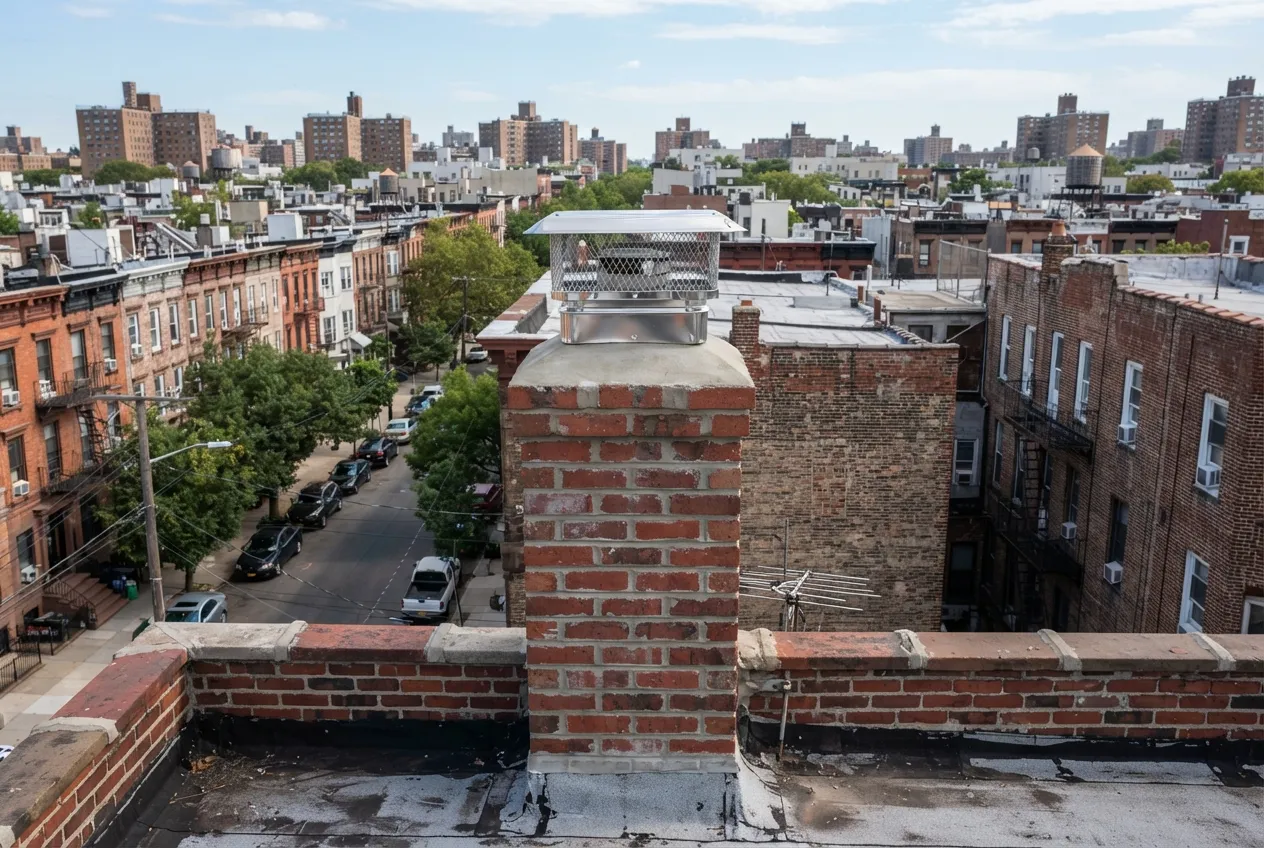
- The chimney crown, cap and flashing where the chimney meets the roof
- Signs of water entry, such as staining, rust or crumbling brick
- Blockages from nests, debris or fallen masonry
- Connections between boilers, furnaces or water heaters and the flue
What Happens After the Inspection
We walk you through what we found in plain terms and point out anything that needs attention now versus what can wait. If cleaning or repair is needed, we will explain the options so you can make an informed decision. We do not pressure you into work you do not need.
To prepare, clear a few feet of space in front of the fireplace or around the boiler, and let the fireplace cool fully if it was used recently. If you live in a multi-unit building, let us know ahead of time how to reach the roof so we can plan access.
More services in Downtown Brooklyn
- Chimney Sweep in Downtown Brooklyn
- Chimney Repair in Downtown Brooklyn
- Air Duct Cleaning in Downtown Brooklyn
- Chimney Liner Installation in Downtown Brooklyn