The short answer
A Clinton Hill chimney should be inspected once a year, as the NFPA 211 standard calls for, and before any boiler change or home sale. Most homes need a Level 1 inspection. A Level 2 inspection is the right choice after an oil-to-gas conversion, a new appliance, or when the property changes hands.
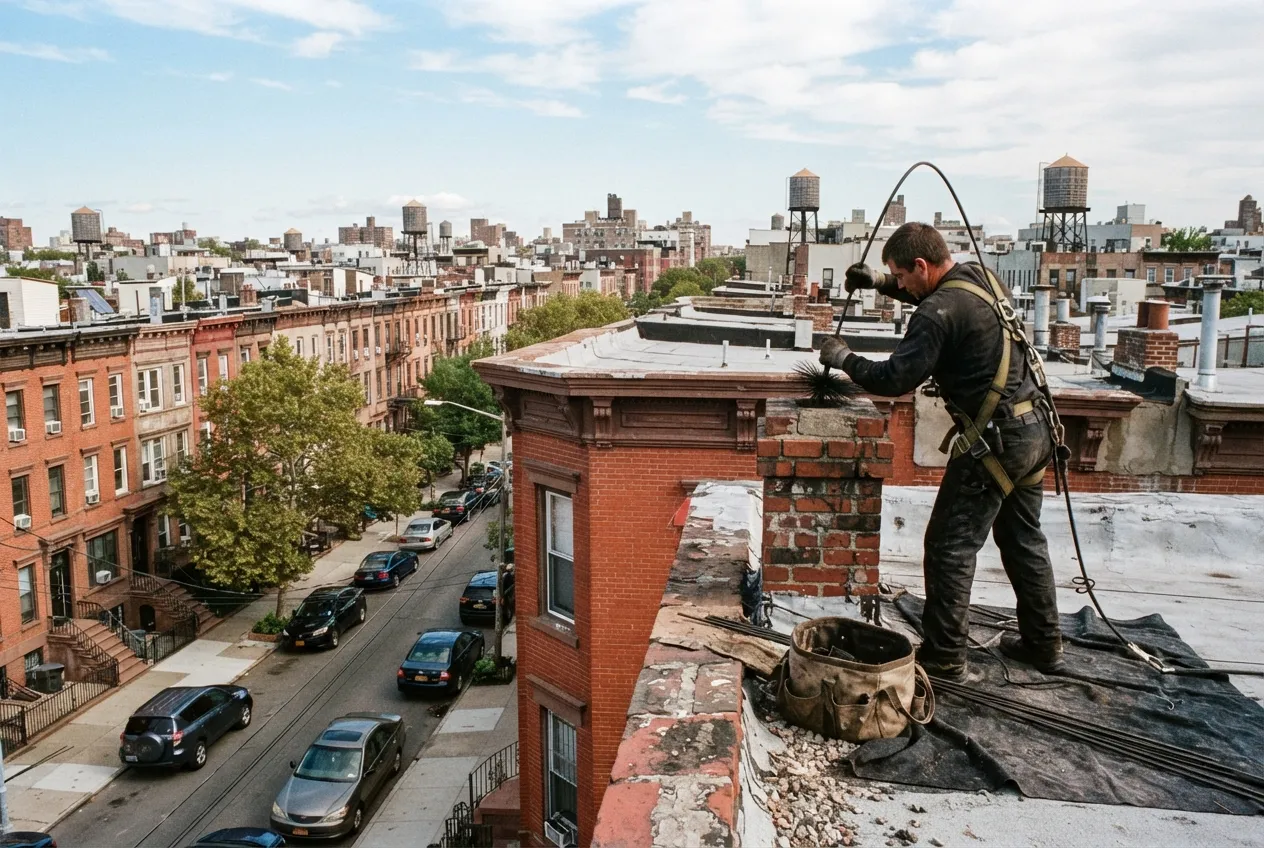
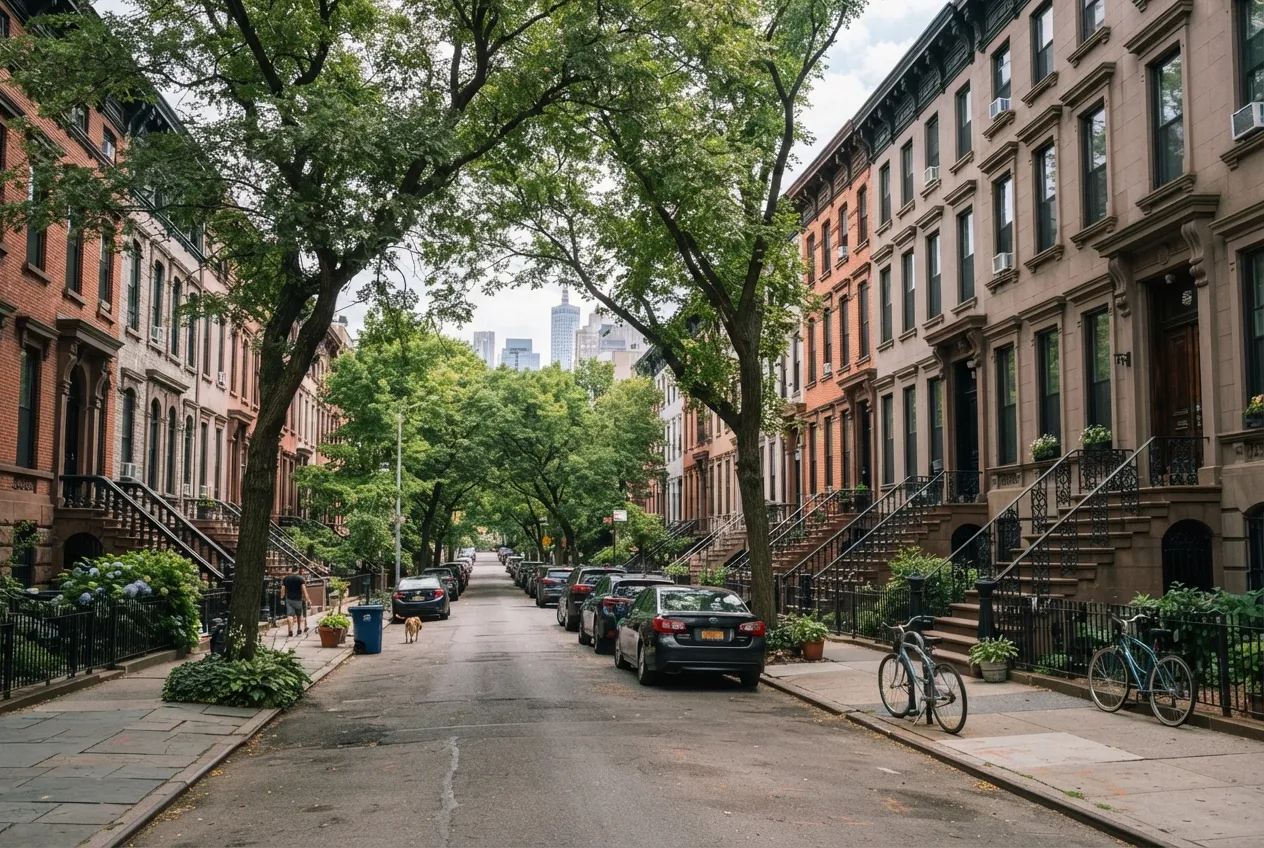
Clinton Hill has a mix of brownstones, rowhouses, and pre-war apartment buildings, and many of them still rely on chimneys built long before today's heating equipment. StrongHold Chimney Services inspects fireplace flues, boiler chimneys, and vents across Clinton Hill from our base in Williamsburg, about 2 miles north. Our certified technicians look at the whole system, from the firebox or appliance connection up to the crown. Then they tell you plainly what they found, what needs attention now, and what can wait.
How Often a Clinton Hill Chimney Should Be Inspected
The NFPA 211 standard calls for chimneys, fireplaces, and vents to be inspected once a year. That applies whether you burn wood a few nights each winter or run a gas boiler all season. A chimney you rarely use can still develop problems. Mortar joints wear, flue tiles crack, and animals or debris can block the opening without any sign from inside the house.
Timing matters too. New York City's heat season runs from October 1 through May 31, and during that time building owners must keep apartments heated to the city's minimum temperatures. If you own a multi-unit brownstone or a small apartment building, an inspection in late summer or early fall gives you time to handle any boiler flue repairs before tenants depend on the heat.
Which Inspection Level Your Home Needs
Chimney professionals use three inspection levels. We recommend the one that fits your situation instead of defaulting to the most involved option.
- Level 1: For a chimney in regular use when nothing about the system has changed. We examine the readily accessible parts of the chimney, the flue, and the appliance connection.
- Level 2: For when the system changes, such as a new boiler, water heater, or stove, or a switch from one fuel to another. It is also the right inspection when a home is being sold. This is a closer look, usually with a camera run through the flue.
- Level 3: For when there is reason to suspect a hidden hazard that can only be reached by opening part of the chimney or building. This is less common, and we explain exactly why before recommending it.
Oil-to-Gas Conversions and Chimney Liners
Many older Brooklyn buildings were originally heated with oil. When a New York City building converts its boiler from oil to gas, the chimney has to be evaluated as part of that work. A new liner is often needed, because gas exhaust produces acidic condensate that can corrode a masonry flue over time.
If you are planning a conversion, or finished one without a chimney evaluation, a Level 2 inspection shows the condition of the flue and whether a liner is needed. We can work alongside your heating contractor so the chimney is handled as part of the project, not as an afterthought.
Time for your annual chimney check?
What We Check in Older Rowhouses and Brownstones
Older homes in Clinton Hill often have several flues in a single chimney stack. Some serve the boiler, and others serve fireplaces that may have been closed off long ago. Part of our inspection is working out which flue does what, and whether any sealed fireplaces share space with active appliances.
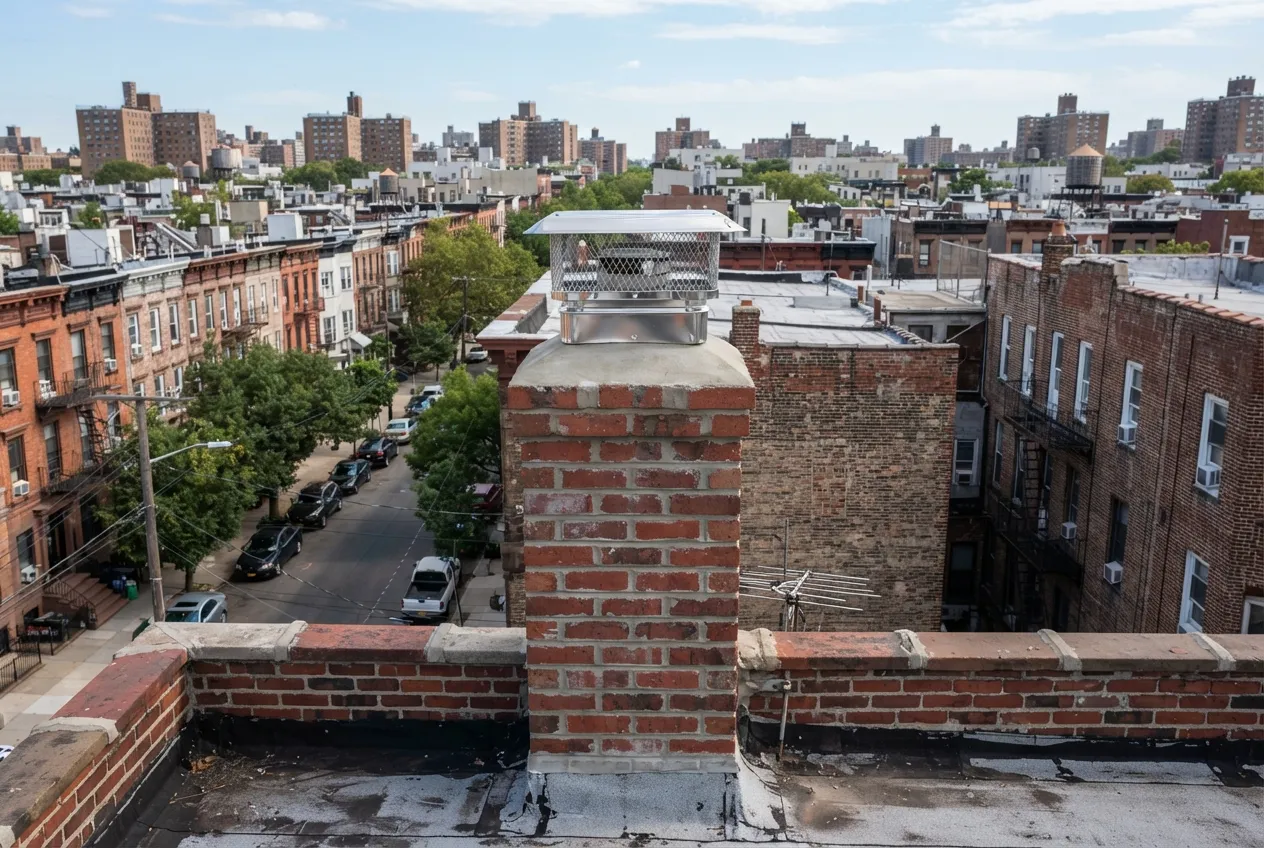
- Crown, cap, and flashing condition on the roof
- Mortar joints and brickwork on the chimney exterior
- Cracks, gaps, or missing sections in the flue liner
- Creosote and soot buildup in wood-burning flues
- Blockages from nests, leaves, or fallen masonry
- The connection between the boiler or water heater and the chimney
- Damper, smoke chamber, and firebox in working fireplaces
What Happens During and After Your Inspection
We start by asking how you use the chimney, whether anything has changed, and whether you have noticed smoke, odors, drafts, or water stains. Then we inspect from inside the home and from the roof where it is safe and accessible. We use drop cloths and keep the work area clean.
Afterward, we walk you through what we found, with photos where we can take them. We separate urgent safety issues from routine maintenance, so you can plan repairs without pressure. Along with Clinton Hill, we serve Fort Greene, South Williamsburg, Downtown Brooklyn, DUMBO, and Williamsburg.
More services in Clinton Hill
- Chimney Sweep in Clinton Hill
- Chimney Repair in Clinton Hill
- Air Duct Cleaning in Clinton Hill
- Chimney Liner Installation in Clinton Hill