The short answer
Yes, a Chinatown chimney should be inspected once a year, as the NFPA 211 standard calls for, and the best time is before the city's heat season starts on October 1. A Level 1 inspection covers a system that hasn't changed, and a Level 2 is needed after a boiler conversion, a new appliance or a sale.
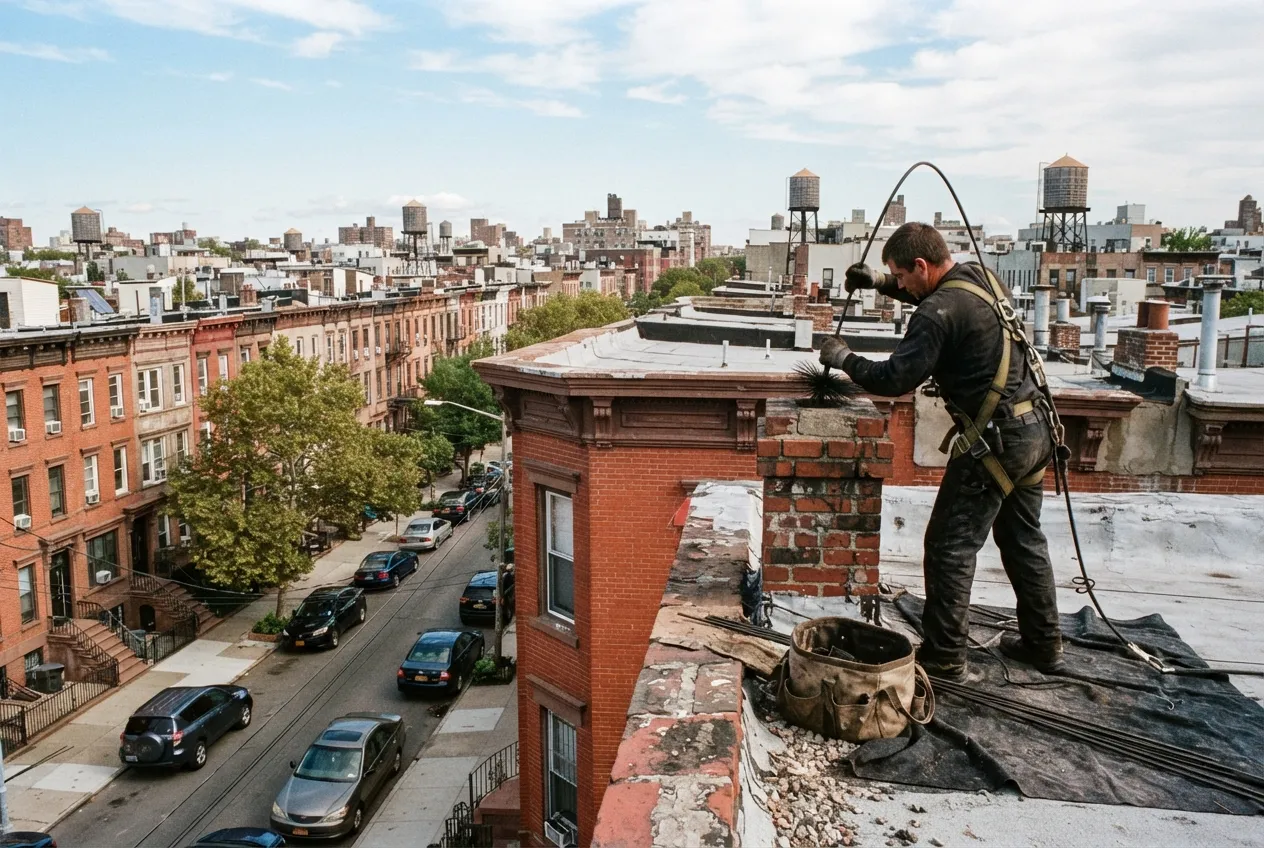
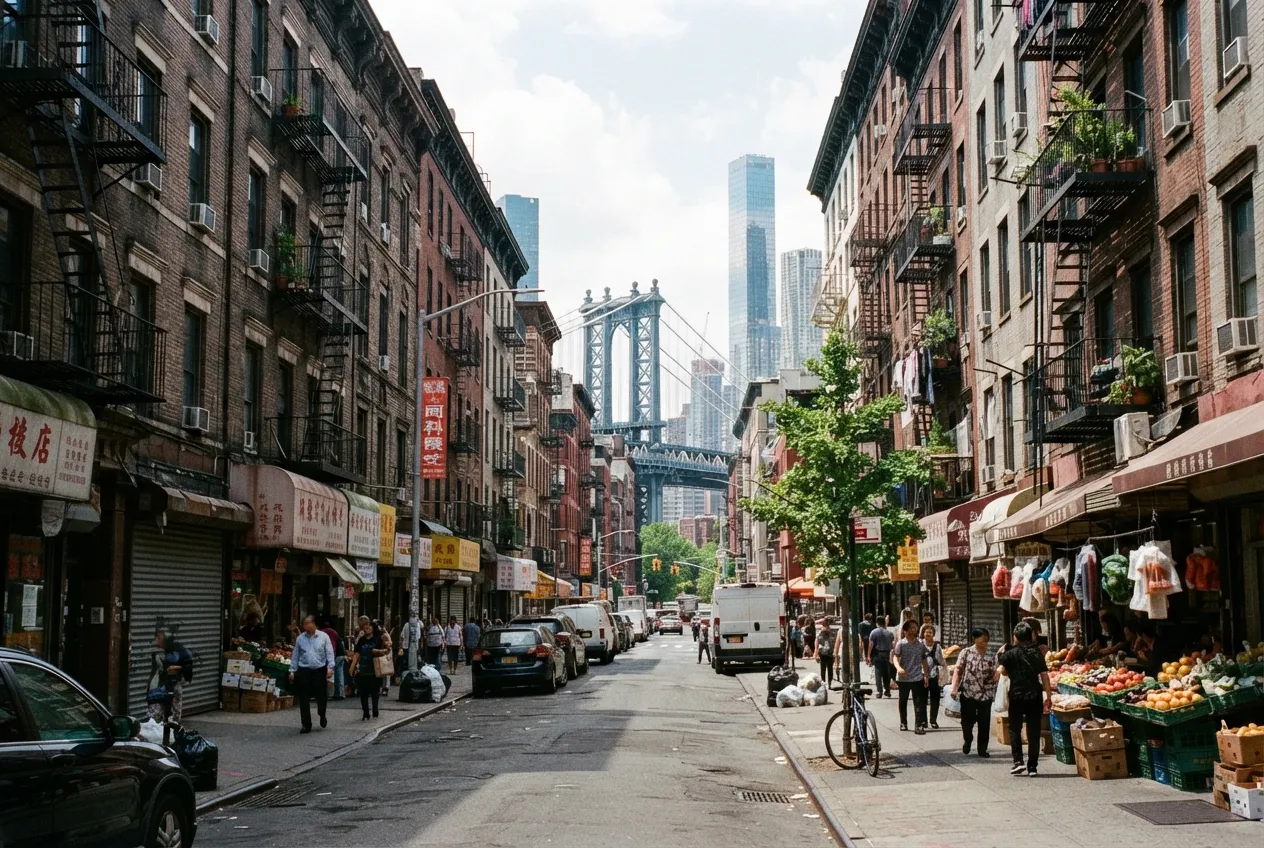
Most chimneys in Chinatown do daily work. They vent boilers and water heaters in pre-war apartment buildings, older walk-ups and mixed-use buildings with shops on the ground floor, and some still serve fireplaces in rowhouses. StrongHold Chimney Services sends certified technicians from our office in Williamsburg, about 2 miles east, to inspect these flues. We tell owners plainly what condition the chimney is in. You get a written account of what we found and a direct answer on whether anything needs attention before you rely on that chimney again.
Why yearly inspections matter for Chinatown buildings
The NFPA 211 standard calls for chimneys, fireplaces and vents to be inspected once a year. In an older Manhattan building, that schedule is practical. Masonry flues here have carried exhaust through many heating seasons. Mortar joints wear, clay liner tiles crack, and debris can collect at the base of the flue where nobody sees it.
Timing matters too. New York City's heat season runs from October 1 through May 31, and during those months building owners must keep apartments heated to the city's minimum temperatures. If a boiler flue turns out to be blocked or damaged in January, the repair has to happen while tenants are waiting for heat. An inspection in late summer or early fall gives you time to fix problems on your own schedule.
Which inspection level you need
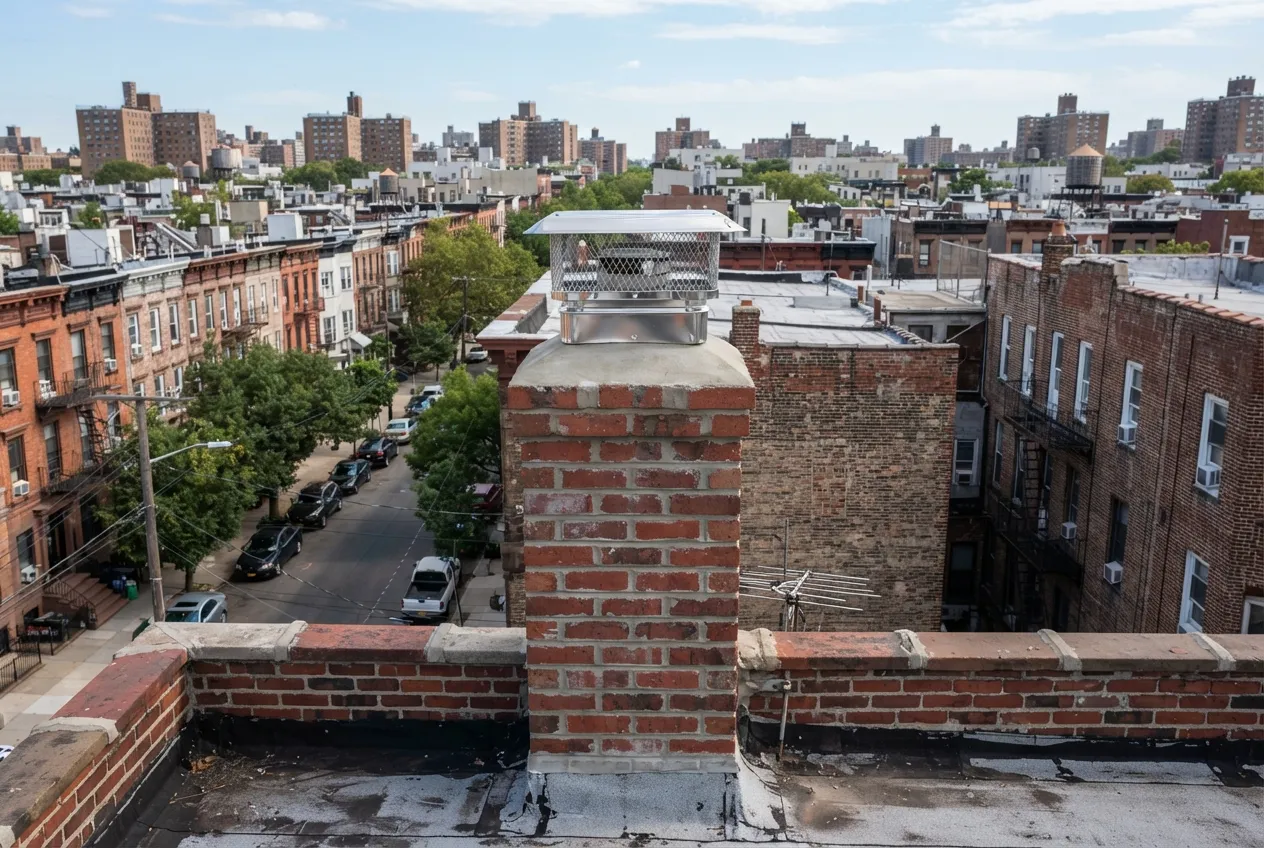
Chimney professionals use three inspection levels. We'll recommend the one that fits your building, not the most involved one by default.
- Level 1: for a chimney and appliance that haven't changed since the last inspection. We check the accessible parts of the chimney, the connection to the appliance, and look for blockages and deposits.
- Level 2: required when the system changes, such as a new boiler, a new water heater or a switch of fuel, and when the property is sold. It includes a closer look at the full length of the flue, usually with a camera.
- Level 3: used only when a hidden hazard has to be reached by opening part of the chimney or the building. We explain why before recommending it.
Oil-to-gas conversions and chimney liners
Many older buildings in this part of Manhattan have converted, or plan to convert, their boilers from oil to gas. When a New York City building makes that switch, the chimney has to be evaluated as part of the work. A new liner is often needed. Gas exhaust produces acidic condensate, and that moisture can corrode a masonry flue that handled oil exhaust for years without trouble.
If you are planning a conversion, we can inspect the chimney early so the liner question is answered before the boiler work is scheduled. If the conversion is already done and the flue was never looked at, that is a good reason to book a Level 2 inspection now.
Time for your annual chimney check?
What we check during an inspection
Every building is different, but most inspections in Chinatown cover the same core points:
- The flue liner, looking for cracks, gaps, missing sections or corrosion
- Soot, creosote and debris buildup, including at the base of the flue
- The connector pipe between the boiler or water heater and the chimney
- The chimney crown, cap and exterior masonry where they can be safely reached
- Signs of water getting in, such as staining, spalling brick or rusted parts
- For fireplaces: the damper, firebox, smoke chamber and clearance to nearby wood
Serving Chinatown and nearby neighborhoods
We inspect chimneys throughout Chinatown and in nearby Two Bridges, the Lower East Side and the East Village, as well as Downtown Brooklyn and DUMBO across the river. Whether you own a single rowhouse or manage a multi-unit building, our technicians coordinate access to the boiler room and the roof ahead of time. We work to keep disruption to tenants and businesses to a minimum. After the visit, you'll know what is in good shape, what should be watched, and what needs repair.
More services in Chinatown
- Chimney Sweep in Chinatown
- Chimney Repair in Chinatown
- Air Duct Cleaning in Chinatown
- Chimney Liner Installation in Chinatown