The short answer
Many older Two Bridges buildings have unlined or damaged masonry flues that aren't suited to modern gas appliances, especially after an oil-to-gas boiler conversion. A properly sized liner keeps exhaust contained, protects the brick from acidic condensate, and helps the heating system run safely through heat season.
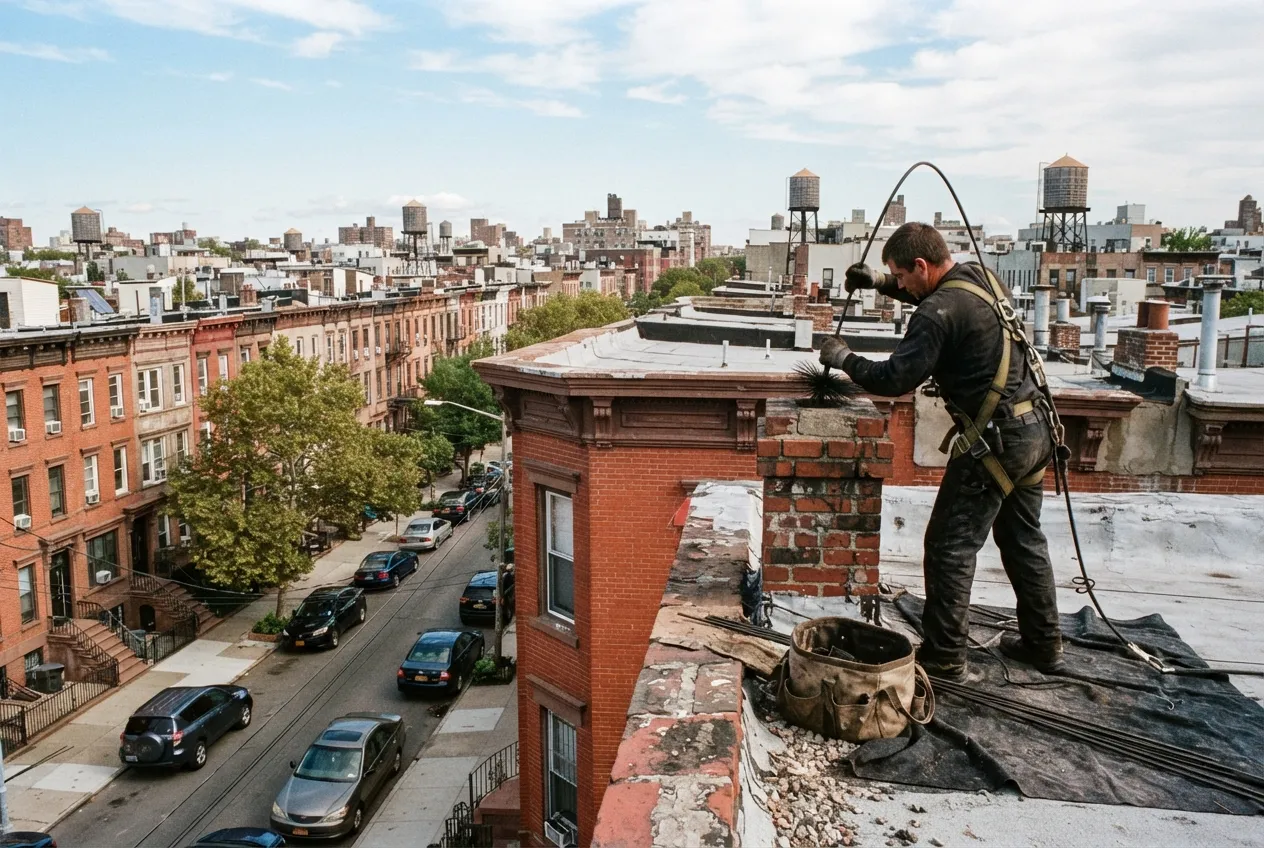
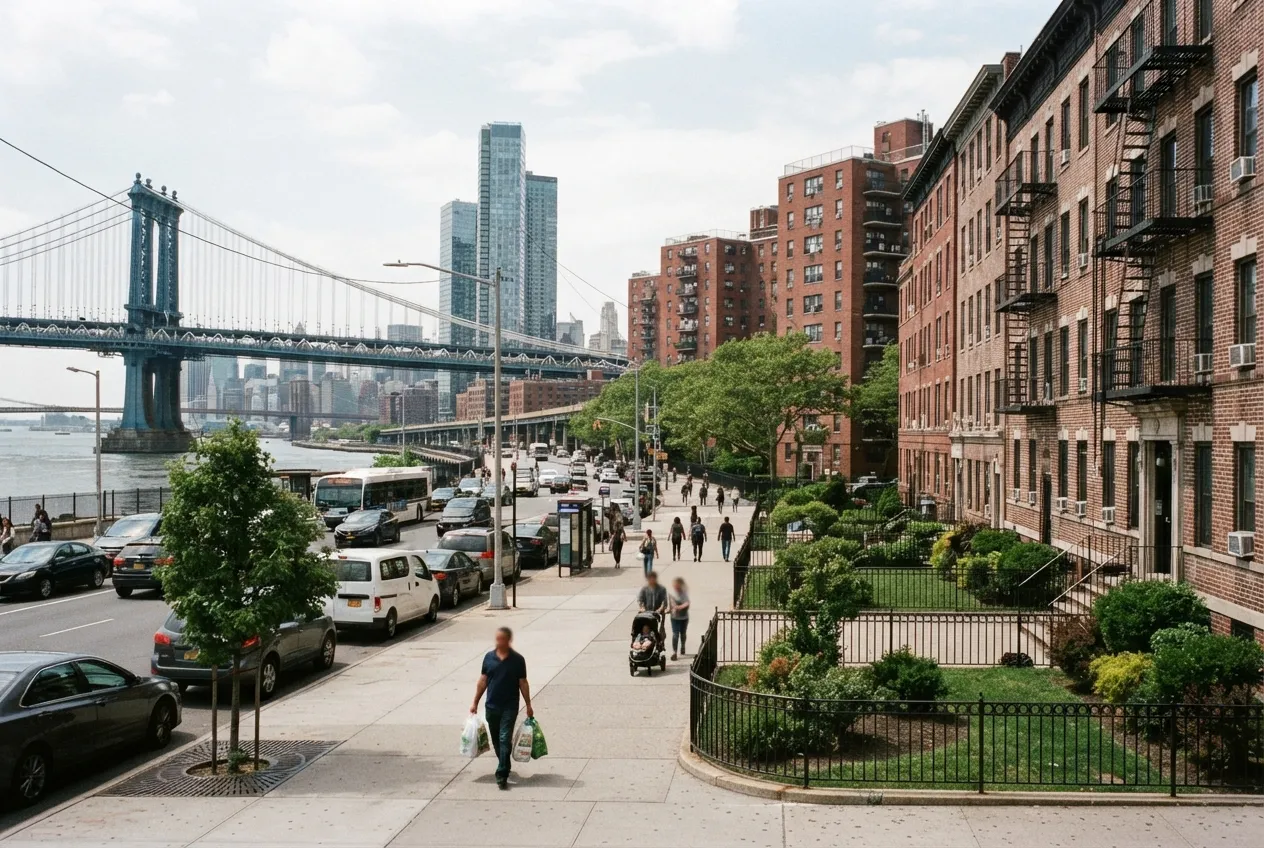
Two Bridges sits on the Manhattan waterfront, about 2 miles west of our office in Williamsburg, Brooklyn. Much of the housing here is older masonry: pre-war walk-ups and apartment buildings, mixed-use buildings with shops at street level, and some rowhouses. Many of those chimneys were built for coal or oil and were never lined for the appliances now connected to them. StrongHold Chimney Services installs chimney liners for these buildings. Each liner is sized to the boiler, furnace, water heater or fireplace that actually vents through the flue.
Why Older Two Bridges Chimneys Need Liners
A liner is the inner channel that carries exhaust up and out of the building. In many older masonry chimneys, that channel is bare brick or clay tile. Over decades of use, it may have cracked, shifted or lost mortar. Those gaps can let heat reach nearby framing. They can also let combustion gases, including carbon monoxide, leak into walls or neighboring units. In a building where several apartments share walls, that affects more than one household.
Bare masonry also holds up poorly against modern appliances. Exhaust from today's gas equipment is cooler and wetter than the smoke these flues were built for. As a result, moisture condenses inside the chimney and works its way into the brick and mortar.
Liners for Oil-to-Gas Boiler Conversions
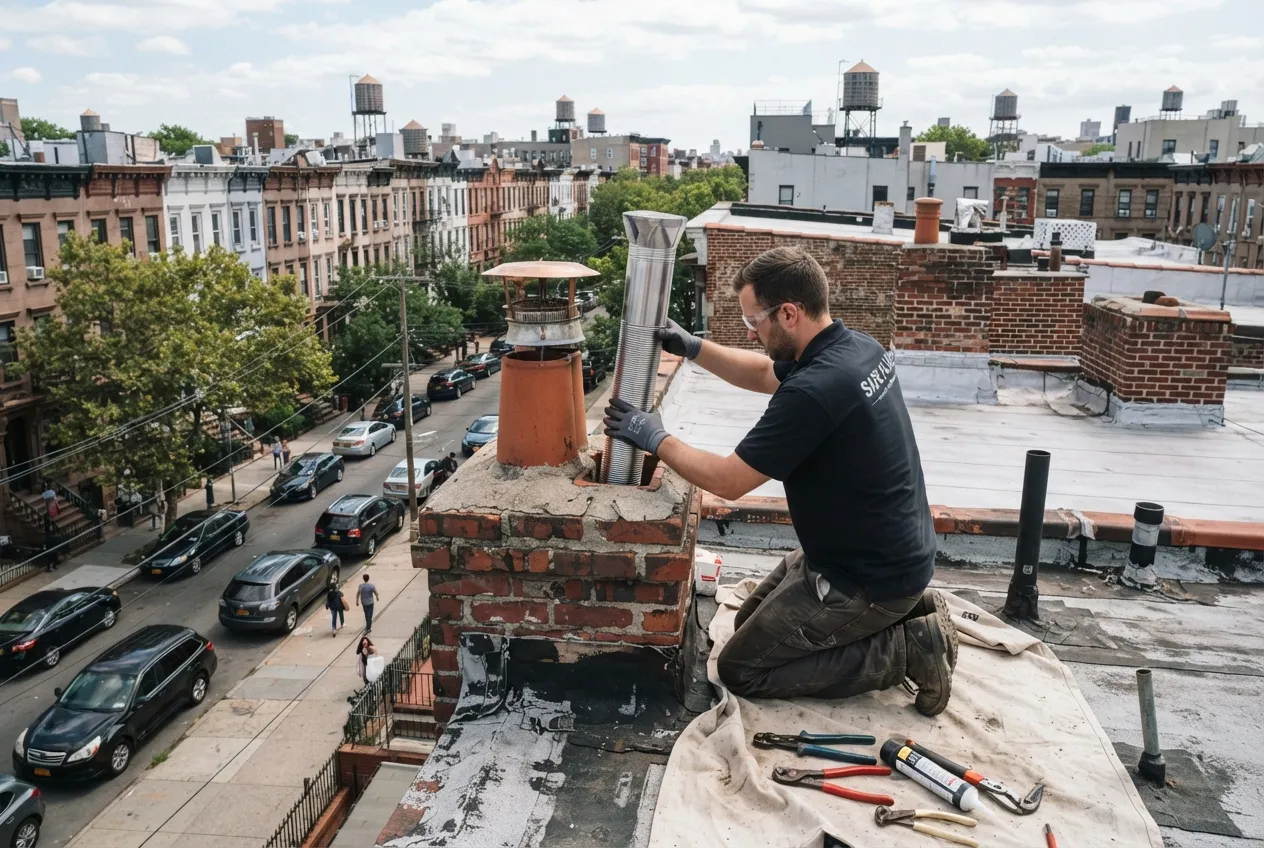
When a New York City building converts its boiler from oil to gas, the chimney has to be evaluated as part of the work. A new liner is often needed because gas exhaust produces acidic condensate that can corrode a masonry flue from the inside. Signs of that damage include white staining on the outside brick, crumbling mortar, flaking tile, and debris collecting at the base of the chimney.
If your Two Bridges building is planning a conversion, bring us in early. We can inspect the existing flue and recommend a liner type and size that matches the new boiler. That way the chimney work is coordinated with the heating contractor and doesn't hold up the project.
How We Install a Chimney Liner
Every job starts with an inspection. The NFPA 211 standard calls for chimneys to be inspected once a year. A Level 2 inspection is the right step when the system changes, such as a new appliance or a switch of fuel, or when a home is sold. If a hidden problem can only be reached by opening part of the chimney or building, a Level 3 inspection may be needed.
In apartment and mixed-use buildings, we plan ahead for access to the roof and the boiler room. We tell you in advance what we'll need, so residents and businesses are disturbed as little as possible.
- Inspect the flue with a camera and measure its size, height and any bends
- Confirm the appliance type and what it needs for venting
- Recommend a liner material, usually stainless steel for gas and oil appliances
- Clean the flue so the liner goes into a clear passage
- Install the liner, connect it to the appliance at the base, and cap and seal the top
- Check the draft and walk you through what we found
Time for your annual chimney check?
Planning Around Heat Season
New York City's heat season runs from October 1 through May 31. During that time, building owners must keep apartments heated to the city's minimum temperatures. A boiler that can't run because of an unsafe flue is a serious problem in January. When possible, schedule inspections and liner work in late spring or summer so the heating system is ready before October. If a problem turns up during the season, we'll talk through your options with you.
Fireplaces need attention too. Some rowhouses and older apartments in the area still have wood-burning fireplaces or fireplaces converted to gas. Those flues need a liner sized for the firebox and the fuel. A liner left over from a boiler won't do the job.
Serving Two Bridges and Nearby Neighborhoods
Our certified technicians work throughout Two Bridges and the surrounding area. In Manhattan, that includes Chinatown, the Lower East Side and the East Village. On the Brooklyn side, we also serve Downtown Brooklyn and DUMBO. Because our office is nearby in Williamsburg, it's easy to set up an inspection and plan the work around your building's schedule.
More services in Two Bridges
- Chimney Sweep in Two Bridges
- Chimney Inspection in Two Bridges
- Chimney Repair in Two Bridges
- Air Duct Cleaning in Two Bridges