The short answer
A chimney liner gives exhaust a sealed, correctly sized path out of the building, which protects against heat damage and carbon monoxide. Many Lower East Side buildings need one when an old masonry flue deteriorates or when a boiler converts from oil to gas. StrongHold Chimney Services inspects the flue, recommends the right liner, and installs it.
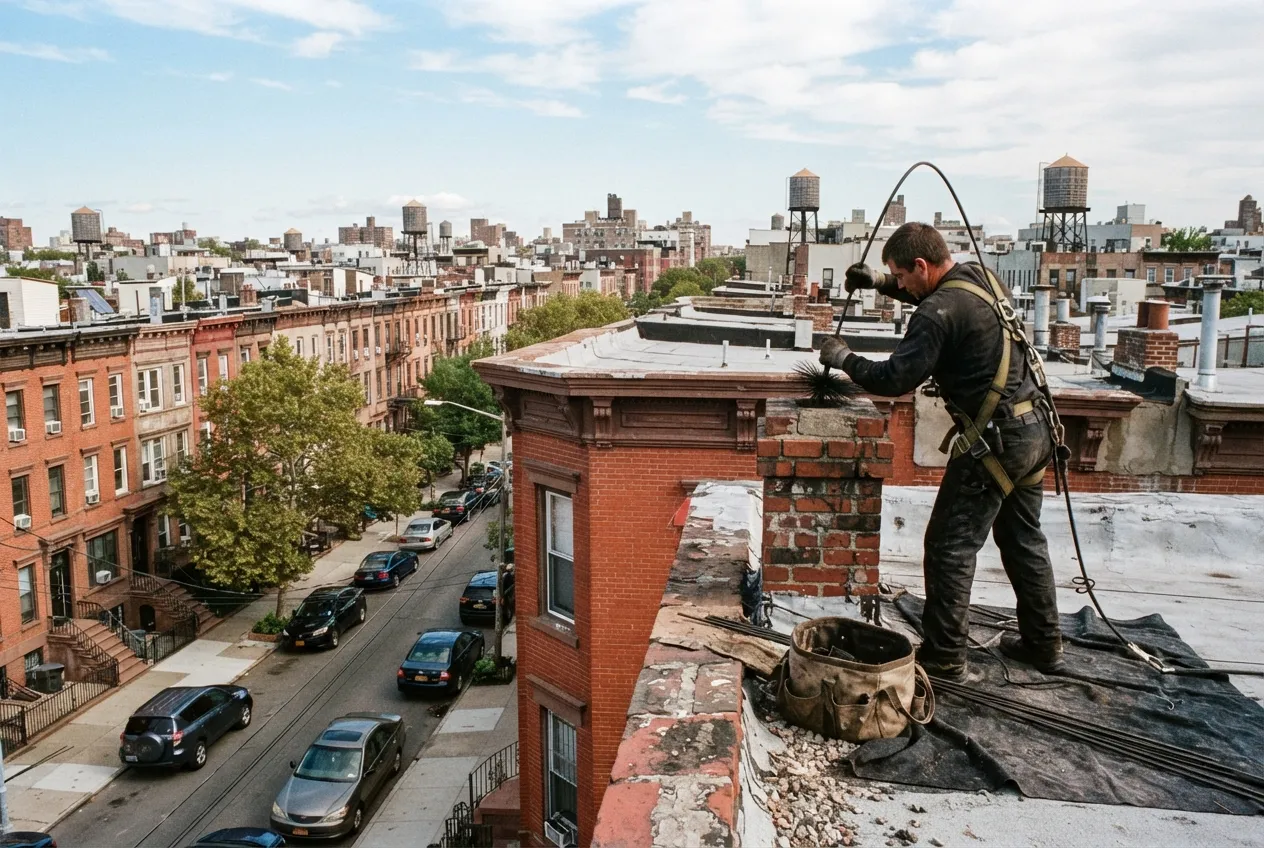
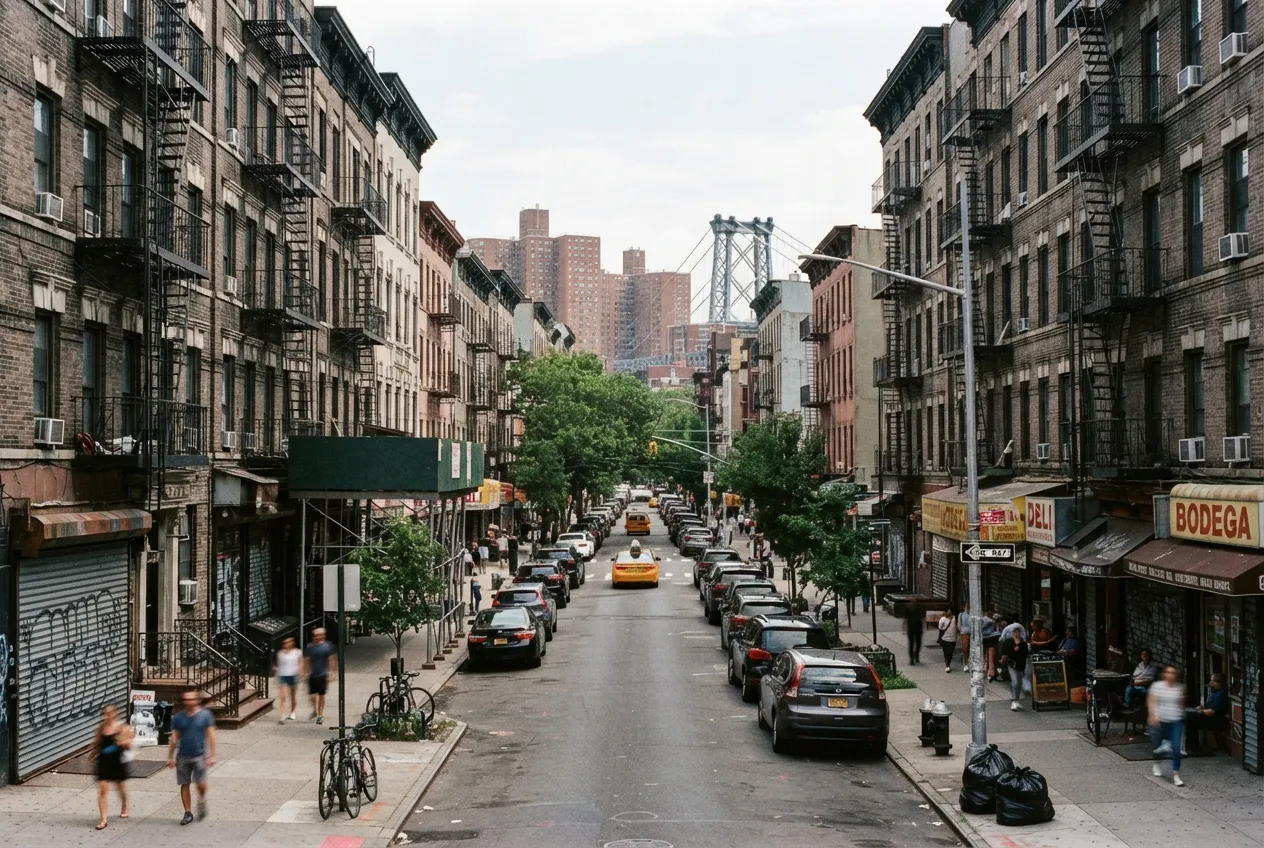
Many buildings on the Lower East Side still vent boilers, water heaters and fireplaces through masonry flues built long before today's appliances existed. When those flues crack, wear away, or no longer match the appliance connected to them, a properly sized chimney liner is often the fix. StrongHold Chimney Services installs liners in homes and apartment buildings throughout ZIP code 10002. Our office in Williamsburg, Brooklyn, is about a mile southeast, across the East River, so the Lower East Side is close to home for our crews.
Why Lower East Side Chimneys Often Need Liners
The Lower East Side is made up mostly of pre-war apartment buildings, walk-ups and rowhouses with tall, narrow masonry chimneys. Many of these flues were built with clay tile or bare brick and were designed for coal or oil. Decades of heat, moisture and freeze-thaw cycles can leave cracked tiles, open mortar joints and loose debris inside the flue.
A liner gives exhaust a sealed, correctly sized path to the top of the chimney. This does two things. It keeps heat away from nearby wood framing, and it helps carbon monoxide and other combustion gases leave the building instead of seeping into apartments through cracks. In a shared building, one damaged flue can affect residents on several floors.
Watch for these signs that a flue may need relining:
- Pieces of tile or brick falling into the firebox or the boiler cleanout
- Water stains, white staining or crumbling mortar on the chimney
- Smoke or exhaust odors inside the home
- A new or replacement appliance being connected to an old flue
Converting From Oil to Gas? Plan for the Chimney
When a New York City building converts its boiler from oil to gas, the chimney has to be evaluated as part of the job. A new liner is often needed because gas exhaust produces acidic condensate that can corrode a masonry flue. Water and acid soak into old mortar. The damage may not show from the outside until bricks start to flake or deposits build up at the base of the chimney.
We work with building owners and their heating contractors during a conversion. That way the liner is sized for the new appliance and installed before the system goes into service. If you're planning a conversion, contact us early so the chimney work doesn't hold up the rest of the project.
Liner Types We Install
The right liner depends on the appliance, the fuel, and the size and shape of the existing flue. After we inspect the chimney, we'll explain which option fits and why.
- Stainless steel liners for gas and oil boilers, furnaces and water heaters, in rigid or flexible sections for straight or offset flues
- Insulated stainless steel liners for wood-burning fireplaces and stoves, which help keep flue temperatures up and reduce creosote buildup
- Aluminum liners for certain gas appliances, where the manufacturer allows them
- Cast-in-place liners, which coat the inside of a damaged masonry flue and can help strengthen it
- Correctly sized liners for when a smaller, more efficient appliance replaces an older, larger one
Time for your annual chimney check?
How a Liner Installation Works
Every job starts with an inspection. Under the NFPA 211 standard, a change to the system, such as a new appliance or a switch of fuel, calls for a Level 2 inspection, which includes a camera check inside the flue. If a hidden problem can only be reached by opening part of the chimney or the building, a Level 3 inspection may be needed.
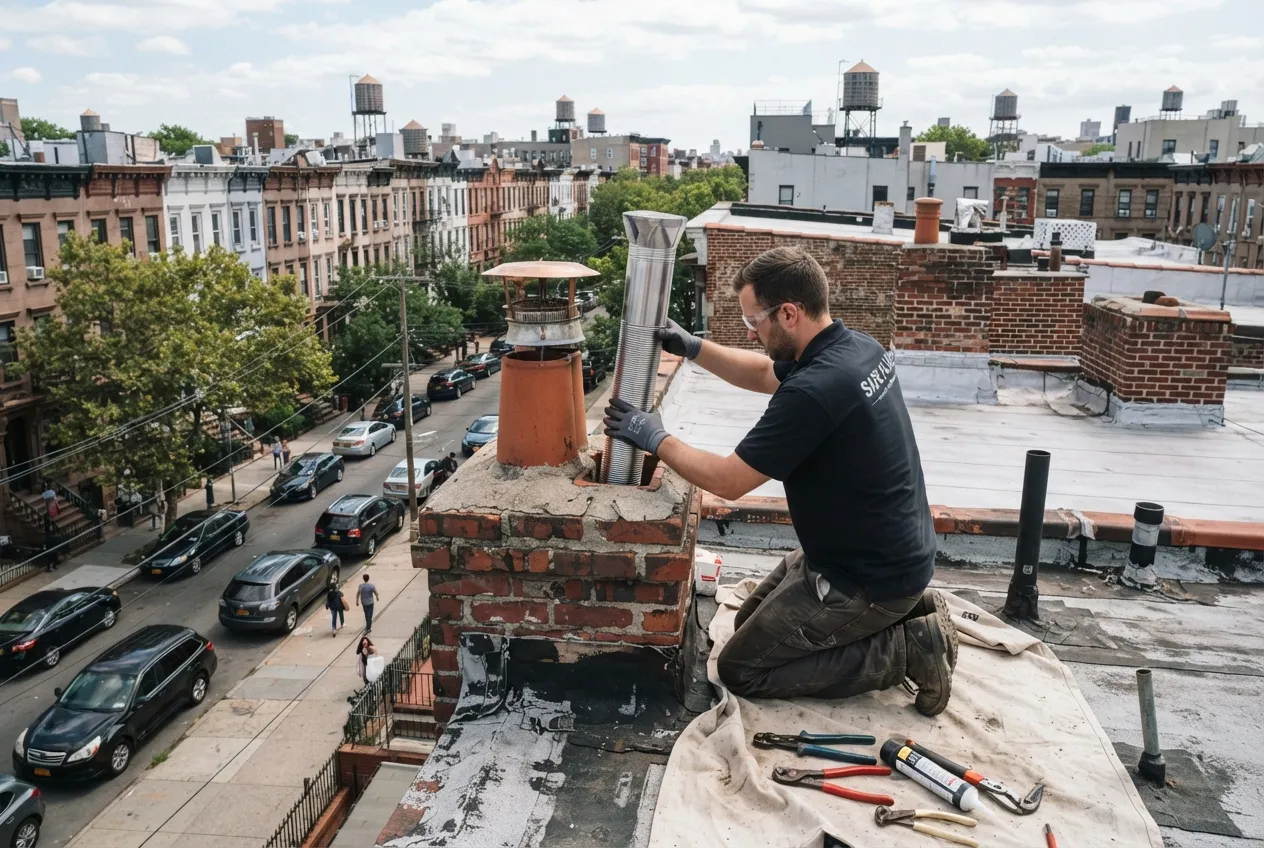
Once we know the condition and dimensions of the flue, our certified technicians clean it, measure for the liner, and run it from the top of the chimney down to the appliance connection. We fit a top plate and cap, connect and seal the base, and check that the appliance drafts properly. On taller buildings, we plan roof access and coordinate with the super or management company ahead of time.
Inside, we protect the floors and the work area around the appliance, and we clean up when the job is done.
Timing Around NYC's Heat Season
New York City's heat season runs from October 1 through May 31. During those months, building owners must keep apartments heated to the city's minimum temperatures. A boiler can't run safely while its flue is being relined, so many owners schedule liner work for late spring or summer.
If a problem turns up in the middle of the season, we'll work with you to keep downtime as short as possible. Besides the Lower East Side, we also serve nearby Chinatown, Two Bridges, the East Village, Williamsburg and Downtown Brooklyn.
More services in Lower East Side
- Chimney Sweep in Lower East Side
- Chimney Inspection in Lower East Side
- Chimney Repair in Lower East Side
- Air Duct Cleaning in Lower East Side