The short answer
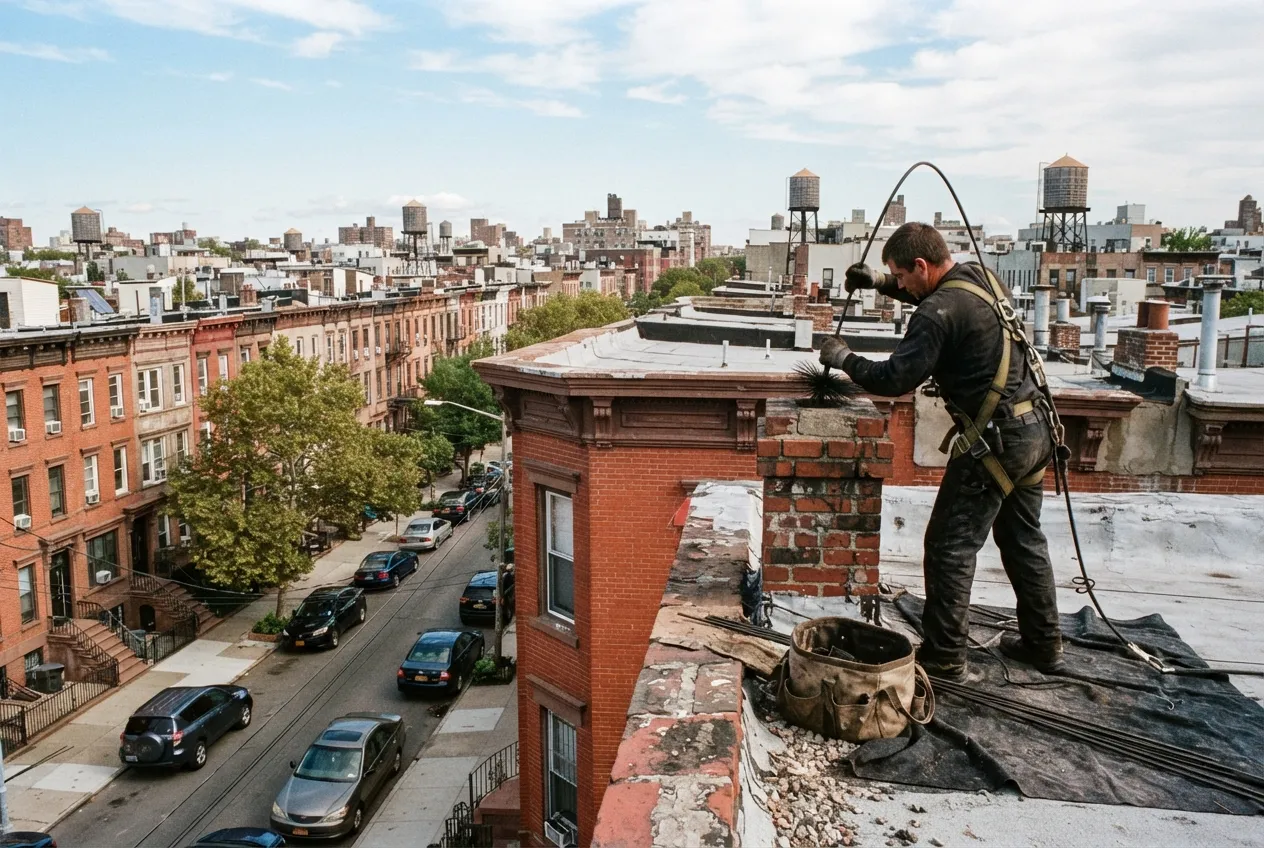
The NFPA 211 standard calls for chimneys, fireplaces and vents to be inspected once a year, and that applies to Fort Greene brownstones, rowhouses and apartment buildings alike. Most homes need a Level 1 inspection. A Level 2 is called for when you sell the home, add a new appliance or switch fuels, such as converting a boiler from oil to gas.
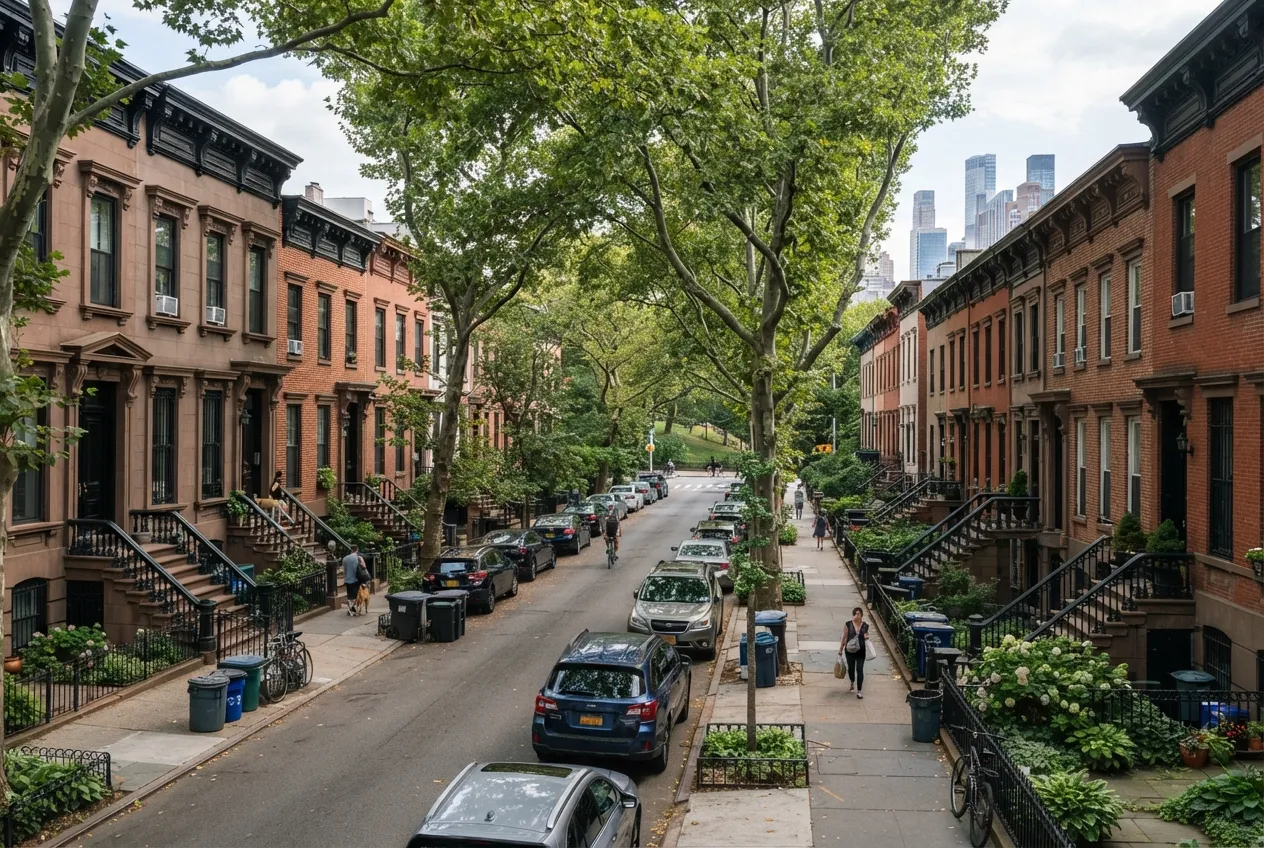
Many Fort Greene homes are brownstones and rowhouses with chimneys that have been rebuilt, patched, relined or closed off over the years. Many apartment buildings also have boiler flues that run the full height of the building. StrongHold Chimney Services inspects chimneys, fireplaces and vents throughout the 11205 ZIP code, about a mile south of our Williamsburg office. Our certified technicians tell you what condition your chimney is in, what needs attention now, and what can wait. That way you can use your fireplace or run your boiler with a clear picture of the system.
Why Fort Greene Chimneys Need a Yearly Look
Older masonry chimneys rarely fail all at once. Mortar joints wear away, flue tiles crack, and crowns and caps take a beating from freeze-thaw cycles and summer storms. In attached rowhouses, a chimney may sit inside a shared party wall. A problem in your flue can affect the house next door, and a problem next door can affect yours.
The NFPA 211 standard calls for chimneys, fireplaces and vents to be inspected once a year. A yearly check catches creosote buildup, blockages from nesting animals or fallen debris, and early masonry damage. These are usually much easier to fix when they are found early.
Choosing the Right Inspection Level
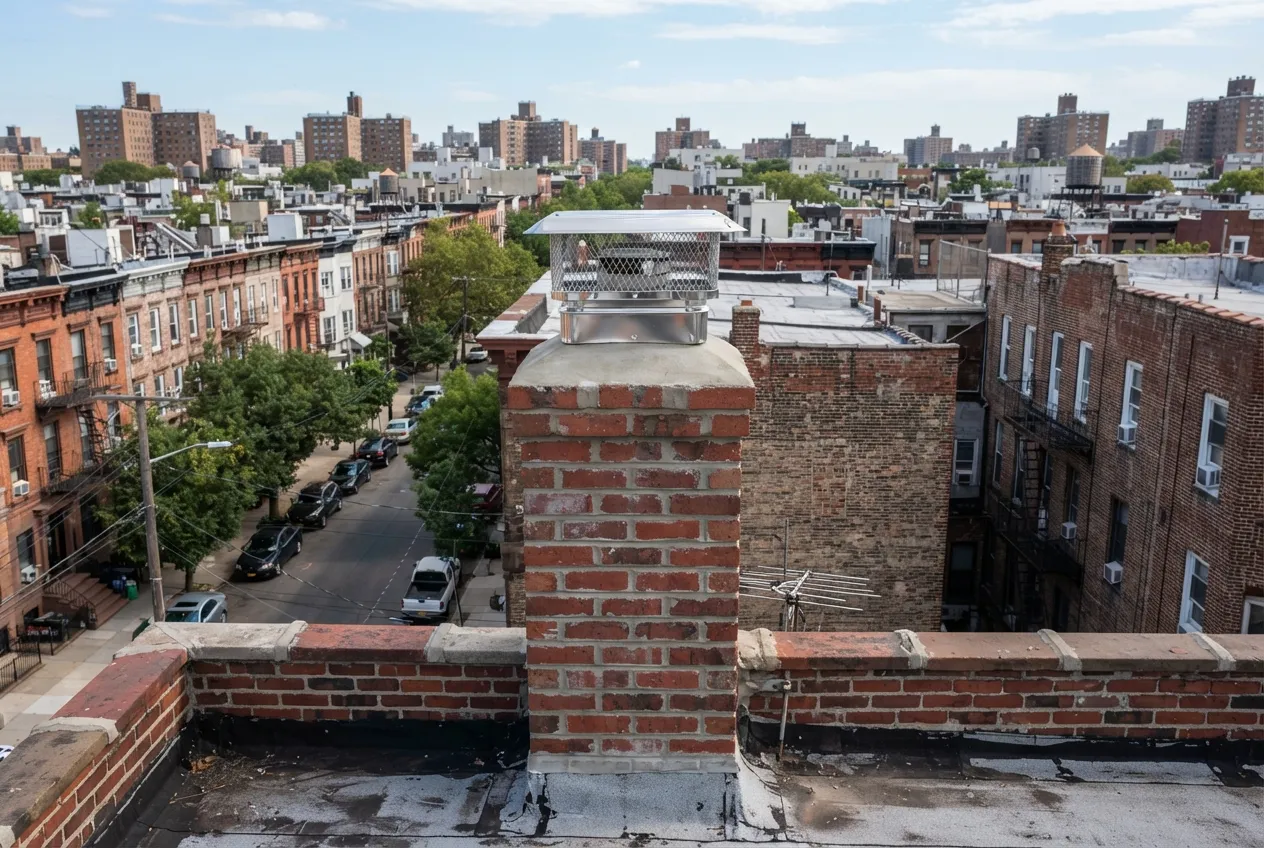
Chimney professionals use three inspection levels. We will recommend the one that fits your situation, and we will explain why if we think you need more than a basic check.
- Level 1: For chimneys in regular use when nothing about the system has changed. We examine the accessible parts of the chimney, fireplace or appliance connection, and the flue.
- Level 2: For when the system changes, such as a new stove, insert or boiler, or a switch from one fuel to another. It is also called for when a home is sold. This level includes a closer look at the flue interior, typically with a camera.
- Level 3: For when a hidden hazard is suspected and the only way to reach it is to open part of the chimney or the surrounding building. We only recommend this level when the evidence points to it.
Oil-to-Gas Conversions in Fort Greene Buildings
Many pre-war apartment buildings and larger brownstones in the neighborhood still heat with oil, and owners are steadily converting to gas. When a New York City building converts its boiler from oil to gas, the chimney has to be evaluated as part of the work.
A new liner is often needed. Gas exhaust produces acidic condensate that can corrode a masonry flue that handled oil without trouble. We inspect the flue before or during your conversion so you and your heating contractor know whether the existing chimney can be used, and whether a liner belongs in the project plan from the start.
Time for your annual chimney check?
What Our Technicians Check
Every inspection covers the full path the smoke or exhaust takes, from the firebox or appliance connection to the top of the chimney. You get a plain-language explanation of what we found, with photos where they help.
- Firebox, damper and smoke chamber condition
- Flue liner cracks, gaps, missing tiles or corrosion
- Creosote and soot buildup and whether cleaning is needed
- Blockages from nests, leaves or loose masonry
- Exterior brick, mortar joints, crown, cap and flashing
- Clearances to nearby wood framing where we can access them
- Boiler and water heater connections to the chimney
Timing Your Inspection Around Heat Season
New York City's heat season runs from October 1 through May 31. During that period, building owners must keep apartments heated to the city's minimum temperatures. If you own a multi-unit building, a chimney problem found in January can put you in a tough spot. Late summer and early fall are the best times to inspect, because there is still time to make repairs before the boiler has to run every day.
For fireplace owners, an inspection before your first fire of the season makes sense. We also serve neighbors in Clinton Hill, Downtown Brooklyn, DUMBO and South Williamsburg, as well as Chinatown across the river, so scheduling around the area is straightforward.
More services in Fort Greene
- Chimney Sweep in Fort Greene
- Chimney Repair in Fort Greene
- Air Duct Cleaning in Fort Greene
- Chimney Liner Installation in Fort Greene