The short answer
Chimneys, fireplaces and vents should be inspected once a year under the NFPA 211 standard, and more thoroughly when you change appliances or fuel, or buy or sell a home. StrongHold Chimney Services inspects chimneys across East Village and nearby Manhattan and Brooklyn neighborhoods and explains the results in plain terms.
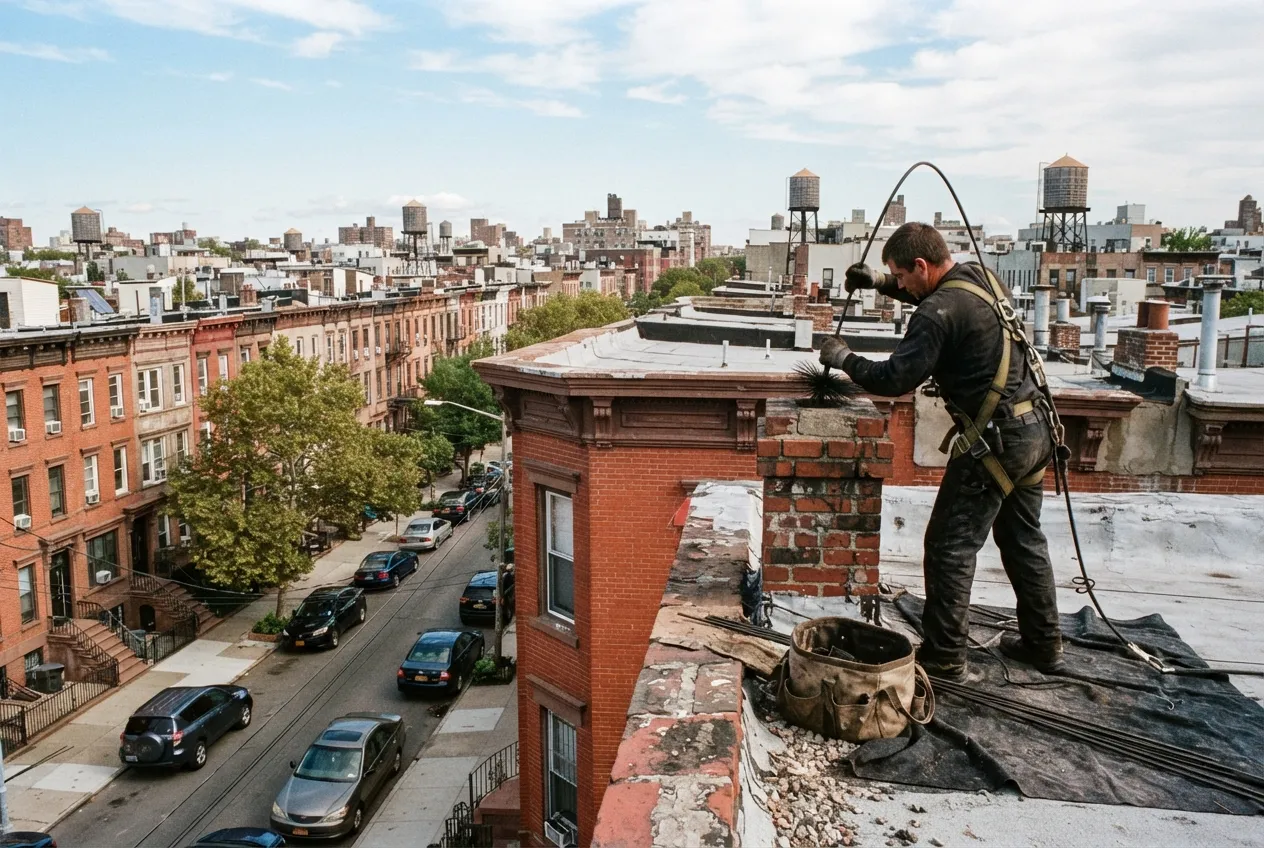
Many East Village homes and buildings still rely on chimneys and flues that were built long before today's boilers, water heaters and fireplace inserts. StrongHold Chimney Services sends certified technicians from our Williamsburg office, a short trip across the East River, to inspect chimneys in ZIP codes 10003 and 10009. We look at the whole venting system: the masonry, the flue liner, the connections to your heating appliances, and the parts you can't see from the roof or the hearth. You get a clear account of what we found and what, if anything, needs attention, so you can decide on repairs before a small problem becomes a dangerous one.
Why East Village Chimneys Need Regular Inspection
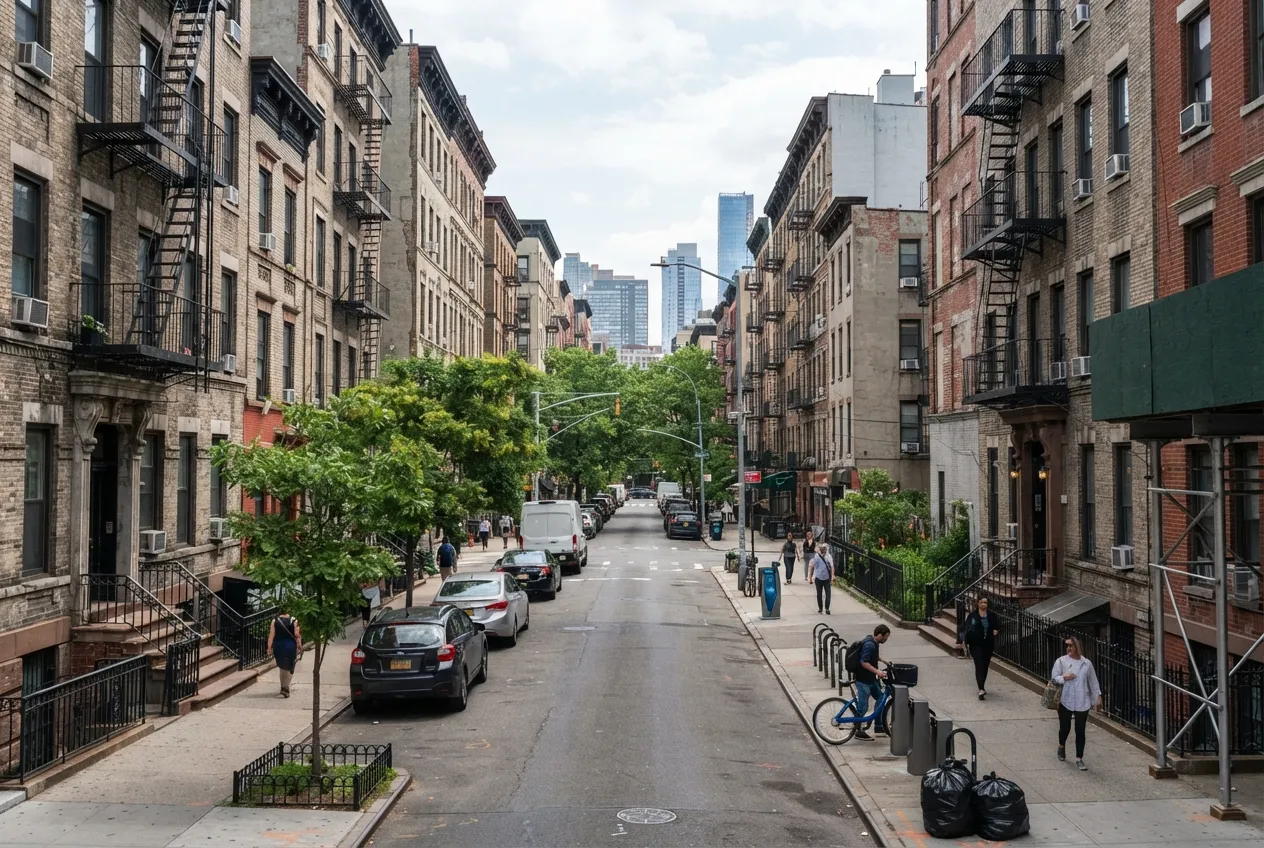
The East Village is mostly older housing: pre-war apartment buildings, walk-ups, rowhouses and some brownstones. Many of these buildings have masonry chimneys that have served several generations of heating equipment. Mortar wears down, clay tile liners crack, and flues that once carried wood or coal smoke may now be venting a gas boiler or water heater they were never designed for.
Problems in an old chimney are usually hidden. A cracked liner or a blocked flue can let carbon monoxide or heat reach parts of the building where it shouldn't be, and you may not notice anything until something goes wrong. An inspection is how you find these issues while they're still manageable.
The Three Inspection Levels and When You Need Each
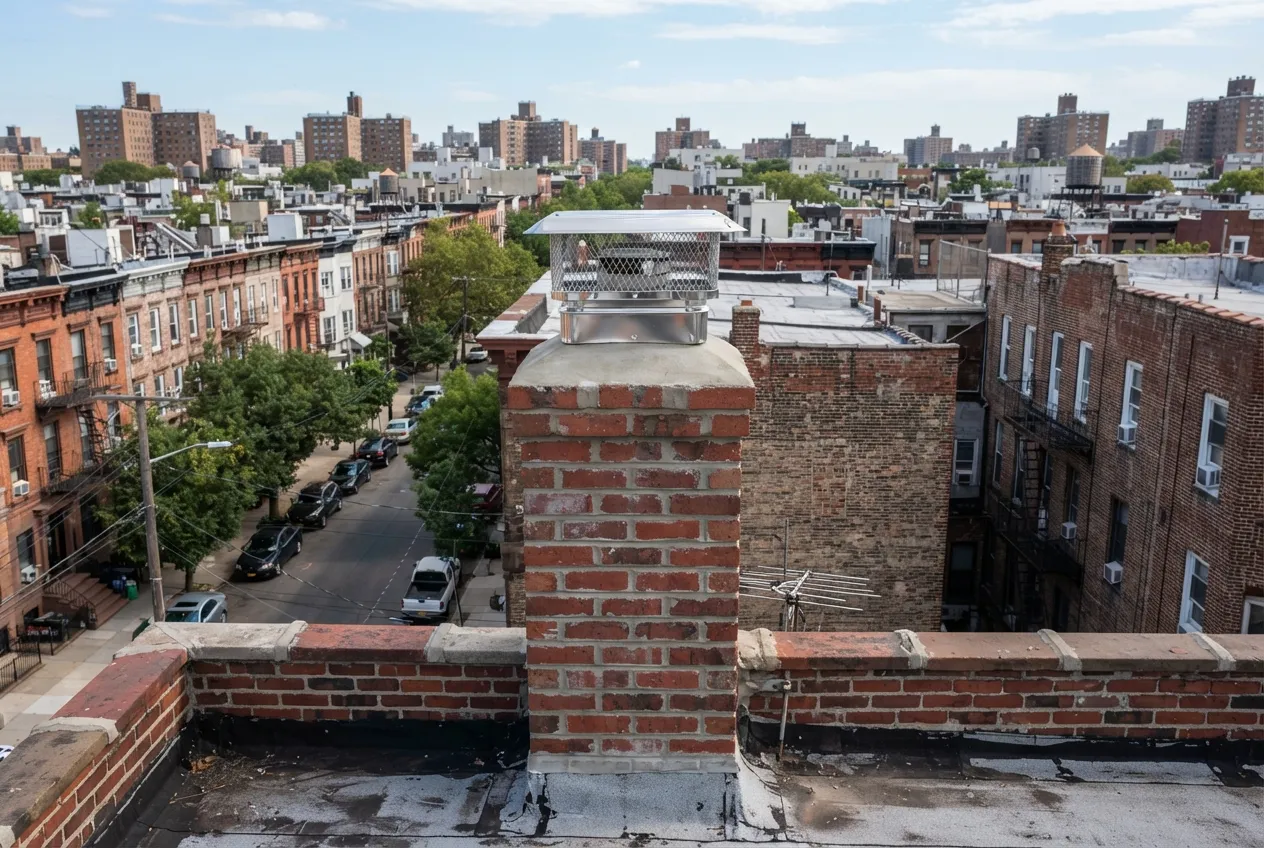
The NFPA 211 standard calls for chimneys, fireplaces and vents to be inspected once a year. Chimney professionals use three levels of inspection, and the right one depends on your situation.
- Level 1: The routine yearly check when nothing about the system has changed. We examine the accessible parts of the chimney, the appliance connections and the flue for soundness, blockages and buildup.
- Level 2: Needed when the system changes, such as installing a new boiler or insert or switching fuel, and when a home is sold. It's more thorough and typically includes a camera inspection of the flue interior.
- Level 3: Used when a hidden hazard has to be reached by opening part of the chimney or the building. We only recommend this when earlier inspections point to a concealed problem.
Oil-to-Gas Conversions in East Village Buildings
Many older Manhattan buildings have moved, or are planning to move, from oil heat to gas. When a New York City building converts its boiler from oil to gas, the chimney has to be evaluated as part of the work. A new liner is often needed, because gas exhaust produces acidic condensate that can corrode a masonry flue from the inside.
If your building is converting, we can inspect the chimney, document its condition, and tell you whether the existing flue can be used or whether relining is needed. Scheduling this early helps keep the conversion on track.
Time for your annual chimney check?
Timing Inspections Around Heat Season
New York City's heat season runs from October 1 through May 31, and building owners must keep apartments heated to the city's minimum temperatures during that time. A chimney problem found mid-winter can force a boiler shutdown when you can least afford one.
For that reason, many owners schedule inspections in the late spring or summer, after the heating system has done its work for the year and before it's needed again. That leaves time for repairs. If you're already in heat season and something seems off, such as smoke or odors, soot around the appliance, or water stains near the chimney, don't wait for the off-season. Call for an inspection.
What You Get From Our Inspection
Our certified technicians walk you through what we checked and what we found. You'll get a written summary noting the condition of the chimney, any hazards, and recommended next steps, whether that's cleaning, repair, relining, or simply coming back next year. We also serve homes and buildings in nearby Lower East Side, Chinatown, Two Bridges, Williamsburg and Greenpoint.
- Condition of the chimney crown, masonry and flashing where accessible
- Flue liner condition and any cracks, gaps or deterioration
- Creosote, soot and debris buildup
- Blockages from nests, debris or collapsed material
- Connections between the flue and your boiler, water heater or fireplace
- Clearances to nearby combustible materials
More services in East Village
- Chimney Sweep in East Village
- Chimney Repair in East Village
- Air Duct Cleaning in East Village
- Chimney Liner Installation in East Village