The short answer
A new chimney liner is usually needed when the existing flue is cracked or deteriorated, or when a heating appliance changes, such as a boiler converted from oil to gas. StrongHold Chimney Services inspects the chimney in your DUMBO home or building first, then sizes and installs a liner that matches the appliance it serves.
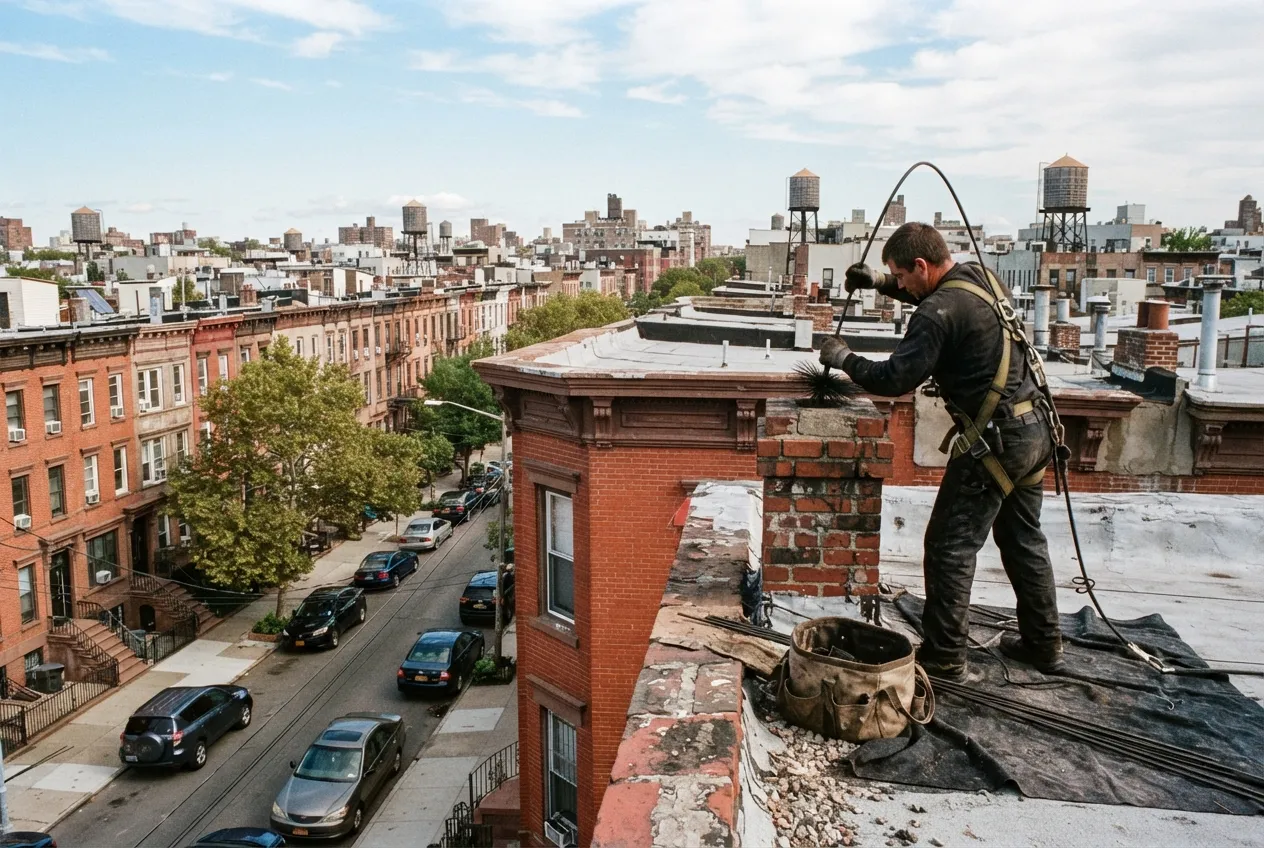
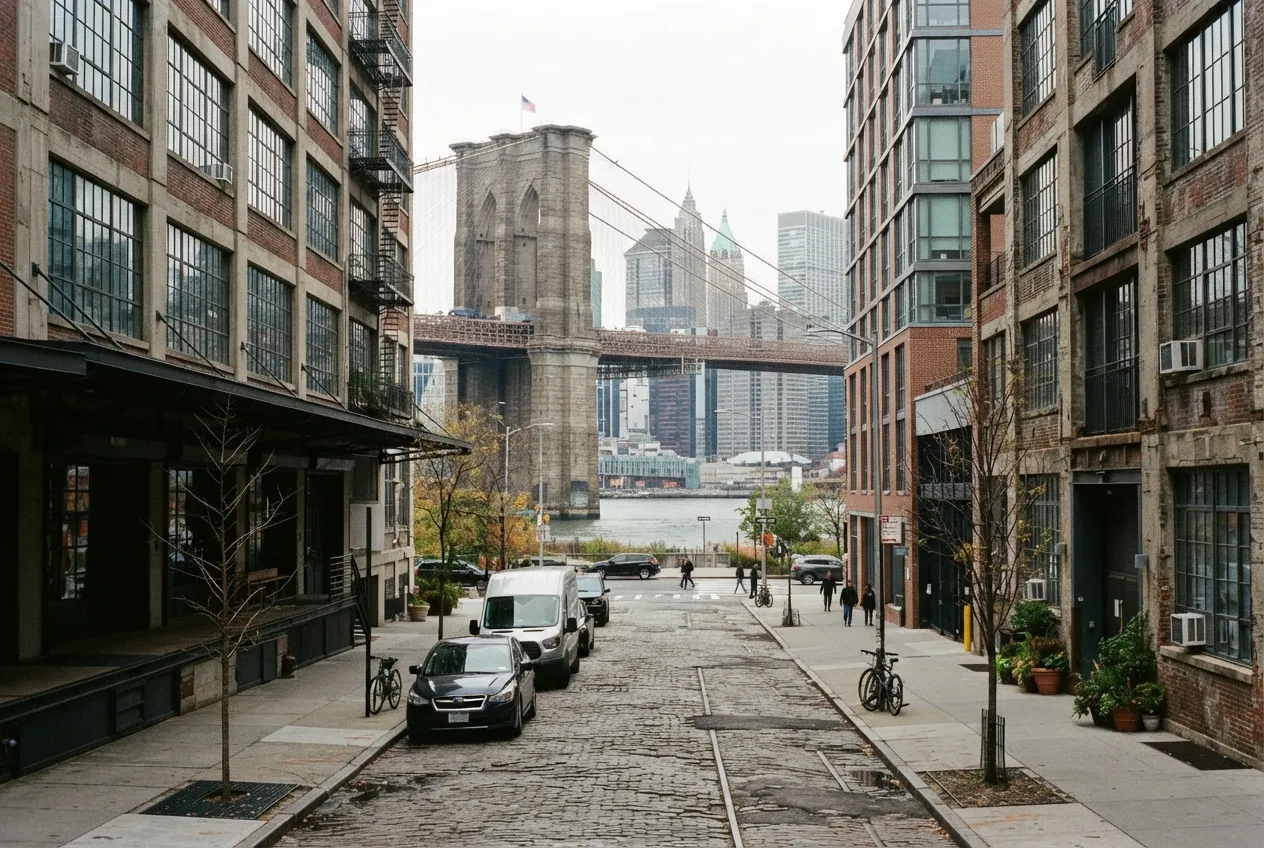
A chimney liner is the protective channel inside your flue that carries smoke and exhaust gases up and out of the building. In DUMBO, many residential buildings are converted industrial lofts and pre-war apartment buildings, with some older rowhouses nearby. Their masonry chimneys were often built long before today's heating equipment existed, and many still serve boilers, water heaters or fireplaces. When a liner is cracked, missing or the wrong size for the appliance it serves, exhaust and heat can reach parts of the building they shouldn't. StrongHold Chimney Services installs chimney liners for homes and buildings in DUMBO and the surrounding area. Our office is in Williamsburg, about 2 miles away. Our certified technicians start by looking at what you have and what it needs to do. Then they explain the options in plain terms before any work begins.
Why DUMBO Chimneys Often Need New Liners
Much of DUMBO's housing was built for a different era. Masonry chimneys in older loft and apartment buildings were commonly built with clay tile flues, or with no liner at all. Over decades, heat cycles, moisture and freeze-thaw weather can crack tiles, wear away mortar joints and leave gaps in the flue.
The bigger trigger in New York City is often a change in fuel. When a building converts its boiler from oil to gas, the chimney has to be evaluated as part of the work. A new liner is often needed because gas exhaust produces acidic condensate that can corrode a masonry flue. A chimney that handled oil for years may not hold up to gas without one.
Signs Your Liner May Need Attention
Some liner problems are obvious. Others only show up during an inspection with a camera. Call us to take a look if you notice any of the following:
- Pieces of clay tile or crumbling mortar collecting at the base of the flue or in the cleanout
- Water stains, flaking paint or damp spots on walls next to the chimney
- A boiler or water heater that has been replaced, or a planned switch from oil to gas
- Smoke or exhaust odors inside the home
- White staining (efflorescence) on the outside of the chimney
- An older chimney that has not been inspected in years
How We Install a Chimney Liner
Every job starts with an inspection. The NFPA 211 standard calls for chimneys, fireplaces and vents to be inspected once a year. It also describes a Level 2 inspection for when the system changes, such as a new appliance or a switch of fuel, or when a home is sold. Liner projects usually fall into that category. Our technicians run a camera through the flue, measure its size and run, and check the condition of the masonry.
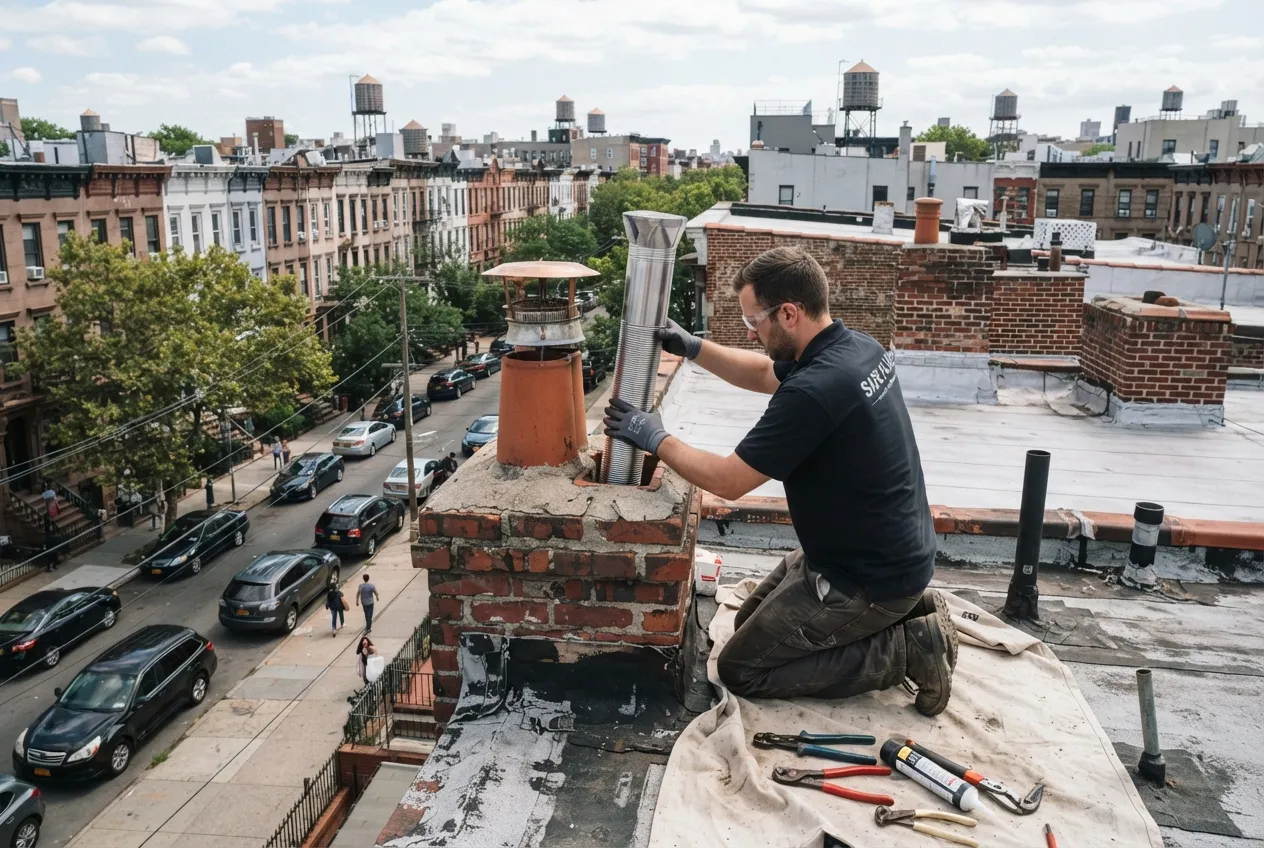
Next, we match the liner to the appliance. A gas boiler, an oil burner and a wood-burning fireplace each need different materials and different flue sizes. A liner that is too large or too small for the appliance can draft poorly and cause condensation problems. We typically recommend stainless steel liners for gas and oil appliances. For fireplaces, we'll explain the options that fit your chimney.
On installation day, we clean the flue and lower the liner from the roof. We connect it to the appliance at the bottom and finish the top with the proper cap and termination. In multi-story buildings, we plan roof access and protect interior spaces near the chimney before work begins. When we're done, we walk you through what was installed and show you the results.
Time for your annual chimney check?
Timing Around Heat Season
New York City's heat season runs from October 1 through May 31. During that period, building owners must keep apartments heated to the city's minimum temperatures. For a building owner, taking a boiler offline for chimney work in midwinter can be a real problem.
When possible, plan liner work for late spring or summer, especially if you are scheduling an oil-to-gas conversion. If a problem turns up during the heating season, we'll talk through how to keep the outage as short as practical and coordinate with your heating contractor.
Serving DUMBO and Nearby Neighborhoods
We install chimney liners throughout DUMBO in ZIP code 11201. We also serve nearby Downtown Brooklyn, Fort Greene and Clinton Hill, as well as Chinatown and Two Bridges. Whether you own a rowhouse, a brownstone, a converted loft or a pre-war apartment building, the process is the same. We inspect first, explain what we found and recommend only the work the chimney actually needs.
More services in DUMBO
- Chimney Sweep in DUMBO
- Chimney Inspection in DUMBO
- Chimney Repair in DUMBO
- Air Duct Cleaning in DUMBO