The short answer
The NFPA 211 standard calls for chimneys, fireplaces and vents to be inspected once a year. In DUMBO, the right inspection level depends on what has changed. A chimney used the same way as last year needs a routine check. A new appliance, a switch from oil to gas, or a home sale calls for a more detailed one.
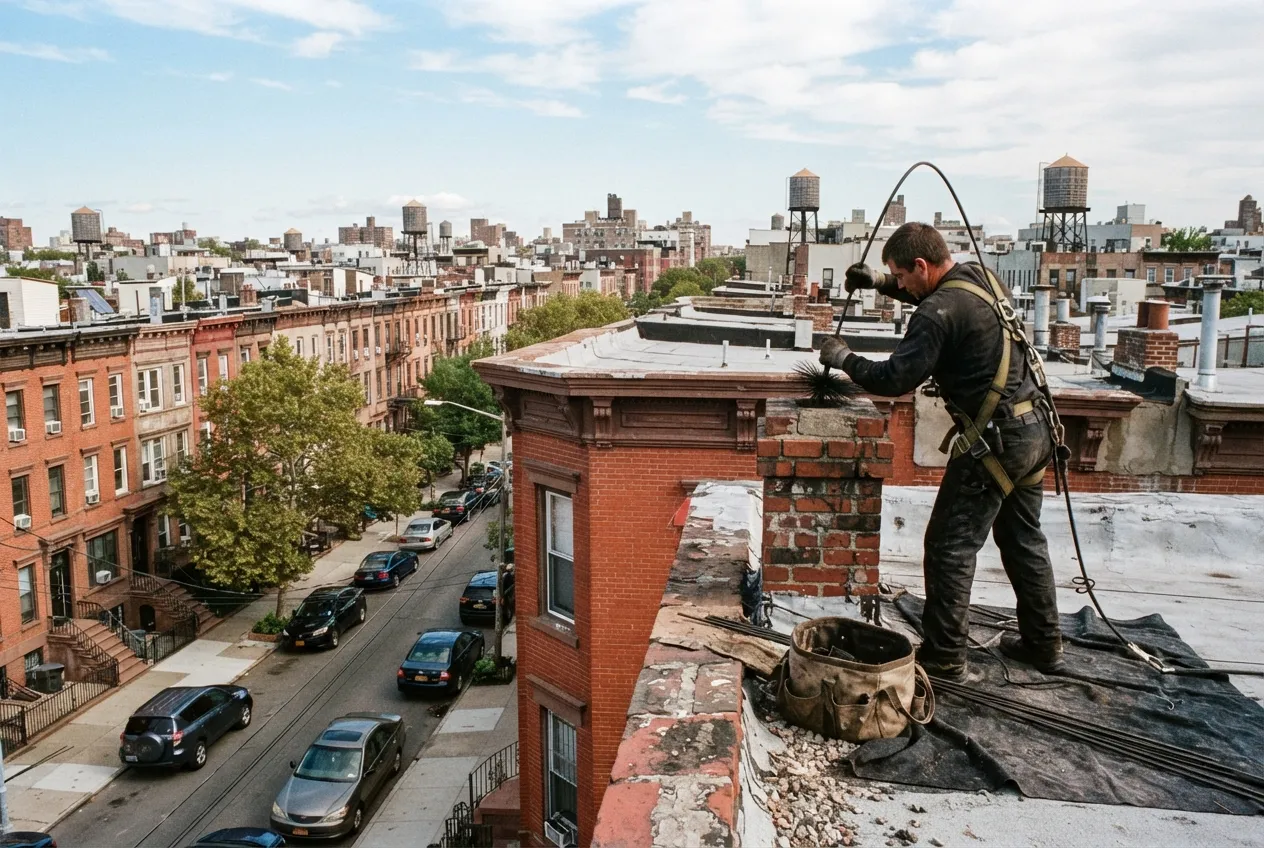
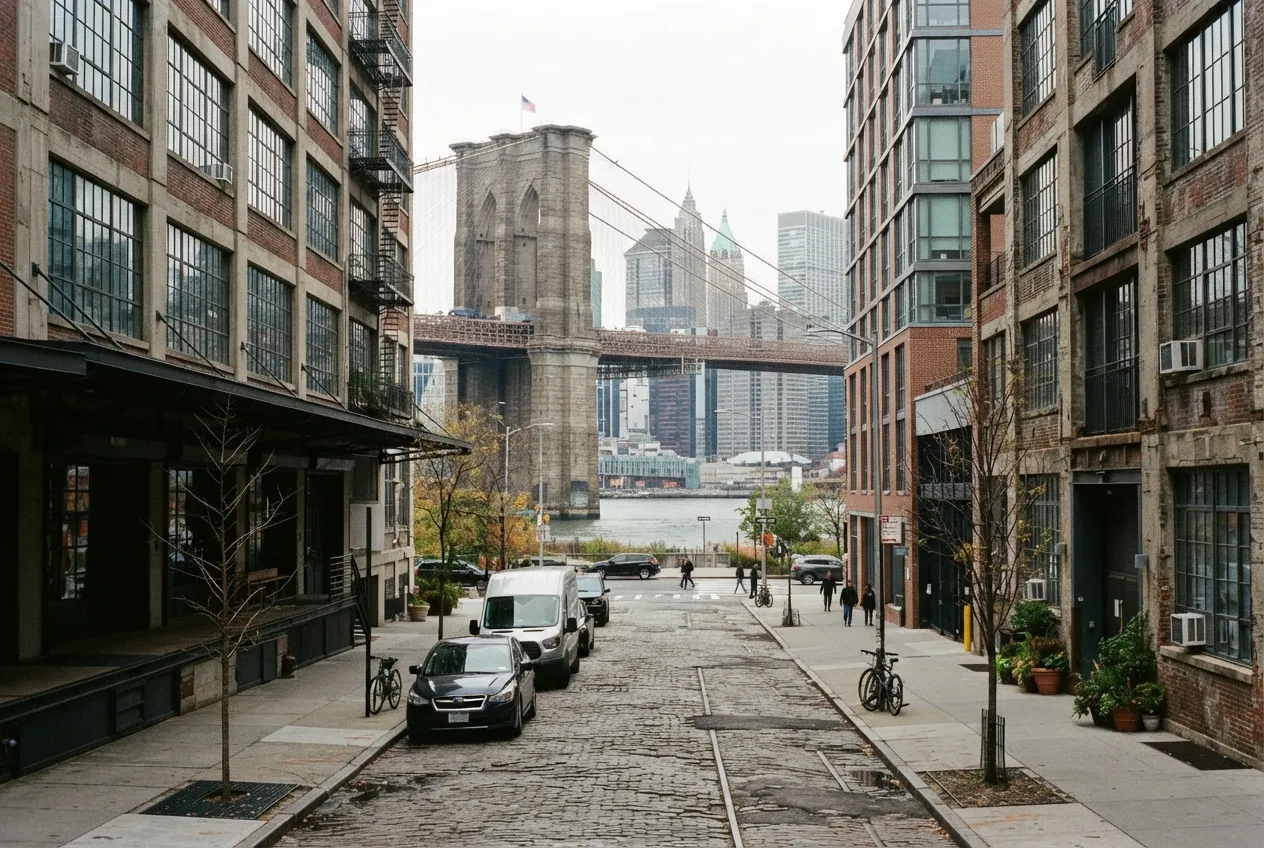
DUMBO's housing ranges from converted loft buildings to older rowhouses and pre-war apartment buildings, and many of them still depend on a masonry chimney to vent a fireplace, a boiler or a water heater. A chimney inspection tells you whether that flue is clear, sound and venting safely before you light a fire or run your heat through another winter. StrongHold Chimney Services sends certified technicians from our Williamsburg office, about 2 miles northeast, to inspect chimneys throughout ZIP code 11201. We check the whole venting system, explain what we find in plain terms, and tell you which issues need attention now and which can wait.
Which Inspection Level Your DUMBO Home Needs
Chimney professionals use three inspection levels. The level depends on your situation, not on how old the building is. Choosing the right one up front means you get the access the job actually requires, without extra disruption to your home.
- Level 1: for a chimney you use the same way you did last year, with no change to the appliance, the fuel or the structure. We check the readily accessible parts of the chimney, the firebox or appliance connection, and the flue for blockages and buildup.
- Level 2: when the system changes, for example a new boiler or a switch of fuel, or when the home is being sold. It goes further than Level 1. We usually run a camera through the flue and check accessible areas such as the roof, attic and basement.
- Level 3: when a hidden hazard is suspected and the only way to reach it is to open part of the chimney or the building. We recommend this only when earlier findings point to it.
What We Look For in DUMBO's Older Buildings
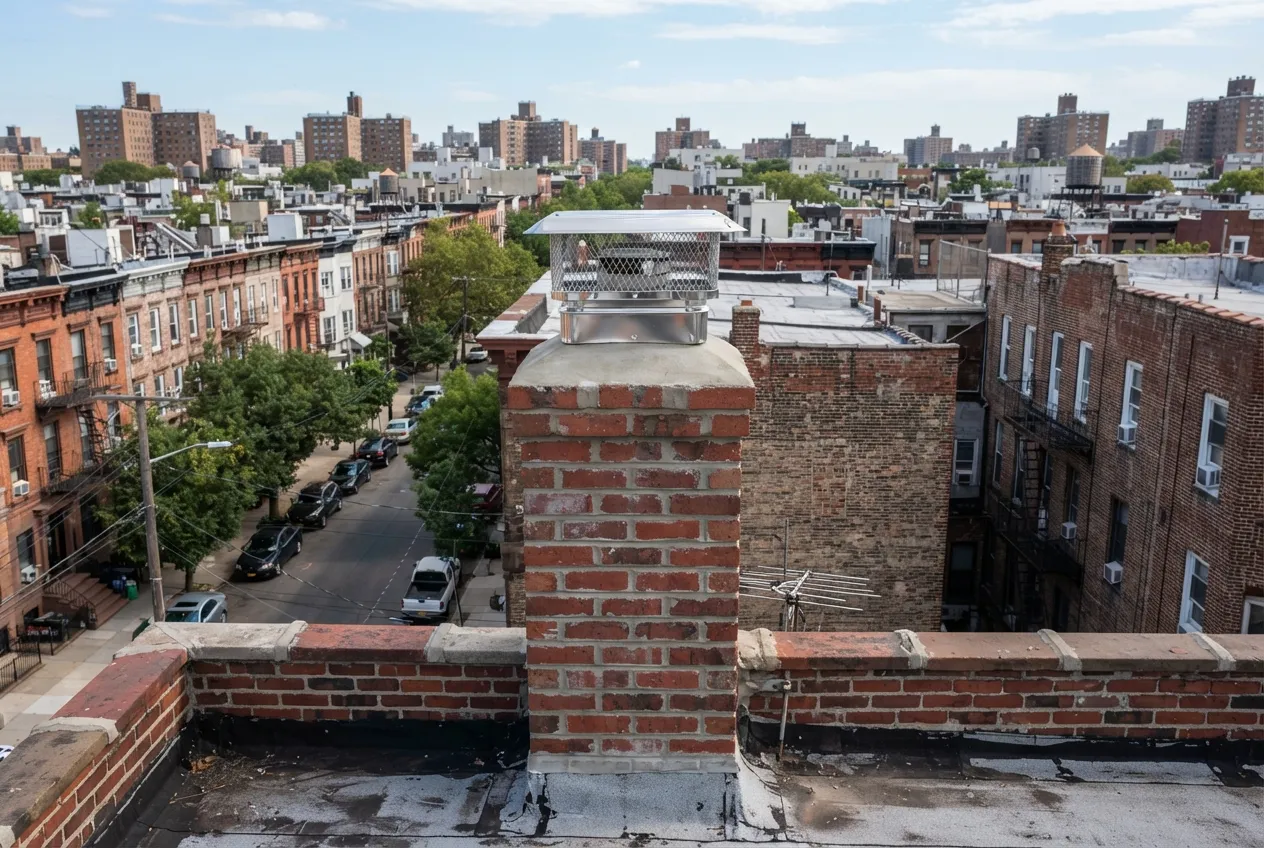
Many DUMBO buildings went up long before modern heating equipment. Their chimneys have often been adapted more than once. A brick flue that once served coal or oil may now vent a gas boiler. A fireplace in a converted loft or a rowhouse may have sat unused for years before a new owner decides to light it. Each of these situations leaves its own kind of wear, and a good inspection checks for all of them.
On every visit, the technician looks for problems like these:
- Cracked, shifted or missing flue tiles that can let heat or exhaust reach the surrounding structure
- Crumbling mortar joints and spalling brick, especially above the roofline
- Creosote buildup in wood-burning fireplaces
- Nests, fallen debris or collapsed material blocking the flue
- Damaged crowns, caps or flashing that let water into the chimney
- Loose or poorly fitted connections between a boiler or water heater and the chimney
Oil-to-Gas Conversions and Chimney Liners
When a New York City building converts its boiler from oil to gas, the chimney has to be evaluated as part of the work. The reason is practical. Gas exhaust produces acidic condensate that can corrode a masonry flue, even one that held up well while the building burned oil. As a result, a new liner is often needed.
If your DUMBO building is planning a conversion, or already finished one without a close look at the chimney, a Level 2 inspection shows the condition of the existing flue. It also shows whether a liner makes sense as the next step. We explain what we found before any work is discussed.
Time for your annual chimney check?
Timing Your Inspection Around Heat Season
New York City's heat season runs from October 1 through May 31. During that period, building owners must keep apartments heated to the city's minimum temperatures. For owners of multi-unit buildings in DUMBO, the boiler and its chimney need to be ready before October. Scheduling the inspection in late summer or early fall leaves time for repairs without the pressure of tenants waiting on heat.
Homeowners with a fireplace can use the same window and have the chimney inspected before the first cold night, not after. If heat season is already underway and you notice smoke inside, unusual odors or a fire that won't draw properly, contact us rather than waiting for spring.
After the Visit, and Nearby Areas We Serve
When the inspection is done, the technician walks you through the findings and gives you a written report with photos of any problem areas. We separate urgent safety issues from items you can plan for later, so you can decide on next steps with clear information.
Besides DUMBO, we inspect chimneys in nearby Downtown Brooklyn, Fort Greene and Clinton Hill. We also serve Chinatown and Two Bridges in Manhattan.
More services in DUMBO
- Chimney Sweep in DUMBO
- Chimney Repair in DUMBO
- Air Duct Cleaning in DUMBO
- Chimney Liner Installation in DUMBO