The short answer
StrongHold Chimney Services provides chimney, dryer vent and air duct cleaning in Queens, currently serving Long Island City. Under the NFPA 211 standard, chimneys should be inspected once a year. Dryer vents need regular cleaning to lower fire risk, and duct cleaning makes sense when there is visible mold, vermin or heavy dust.
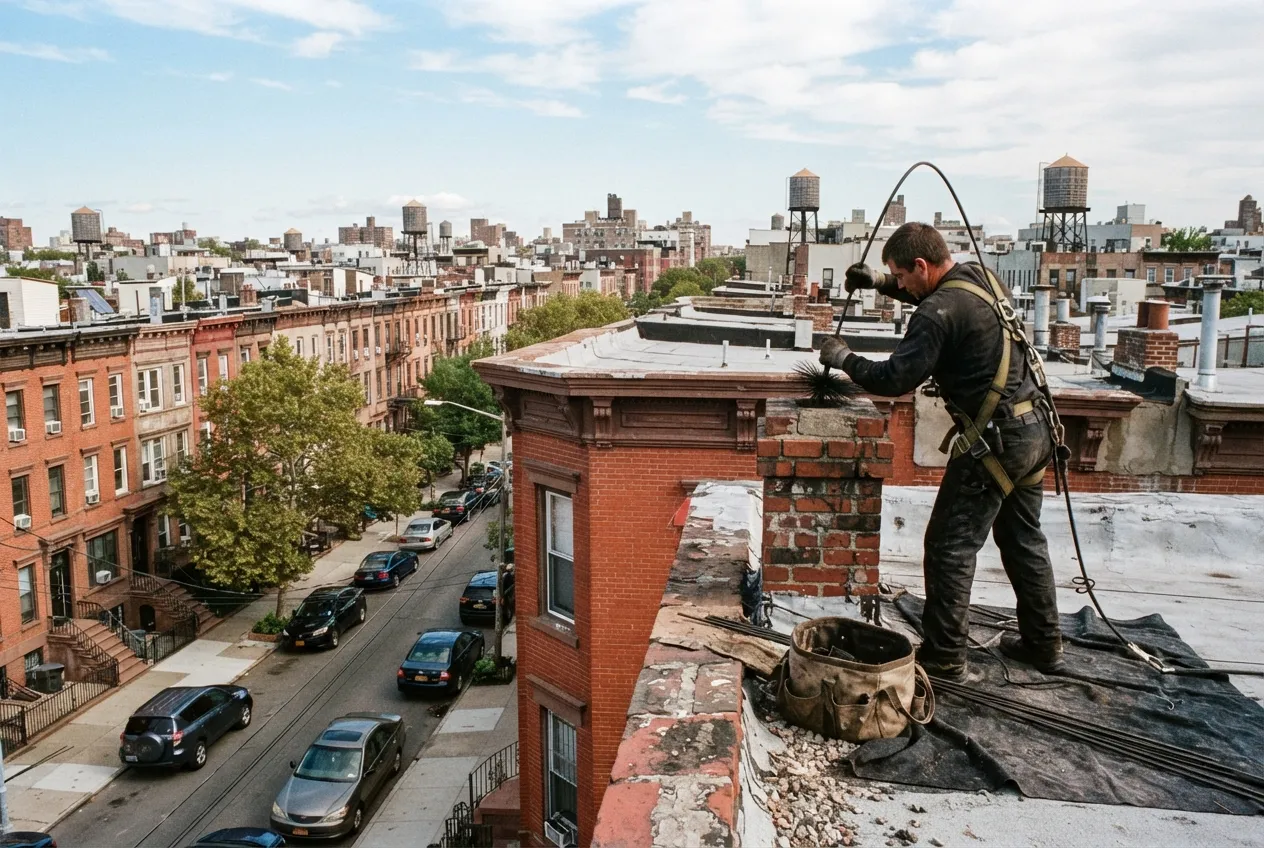
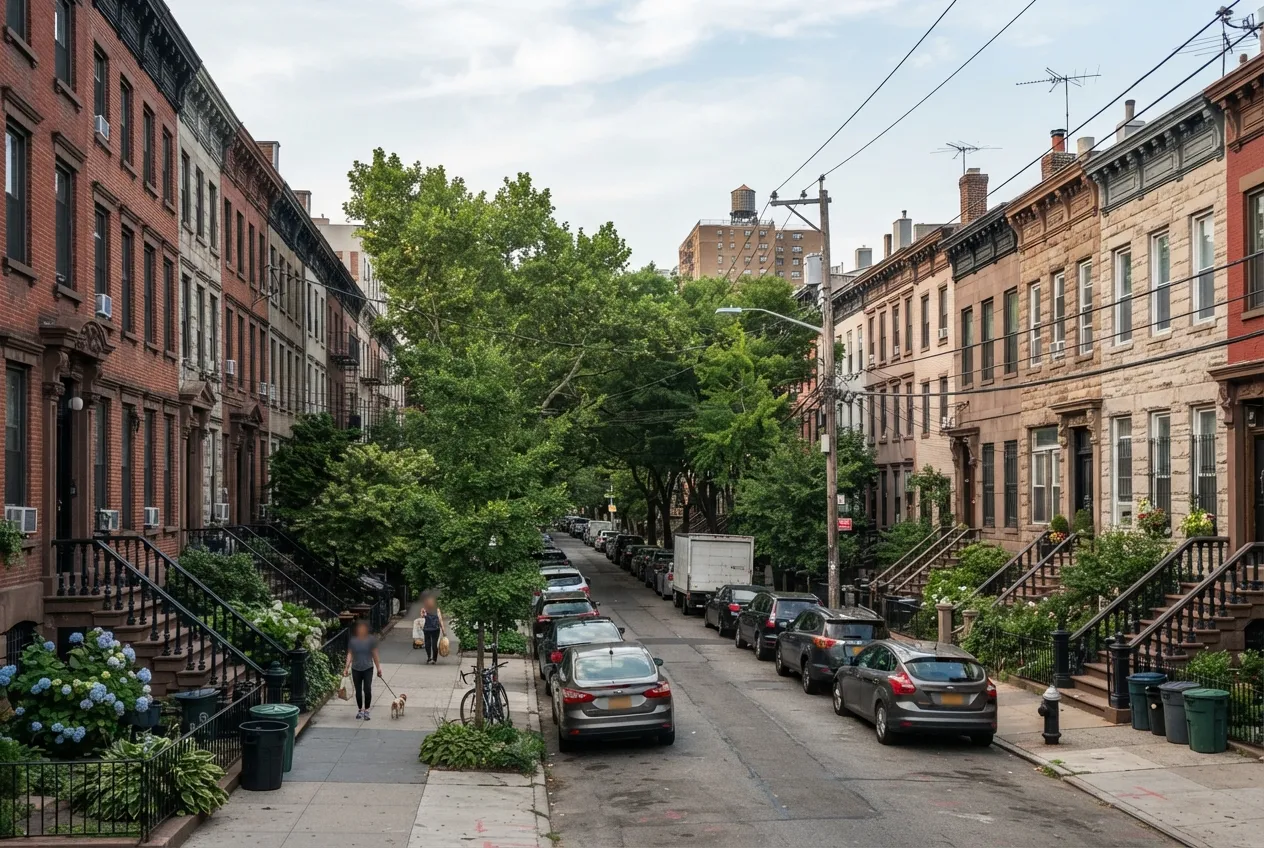
StrongHold Chimney Services cleans and inspects chimneys, dryer vents and air ducts for homeowners in Queens. Our certified technicians currently serve Long Island City. We work on fireplaces, boiler and furnace flues, and the vent and duct systems that move air and exhaust through a home. This page explains what we check, when cleaning makes sense, and how New York City's rules affect older chimneys. If you are not sure what your system needs, start with an inspection and we will walk you through what we find.
Yearly Chimney Inspections and What Each Level Means
The NFPA 211 standard calls for chimneys, fireplaces and vents to be inspected once a year, even if you rarely use the fireplace. Heating appliances that run all winter send exhaust through the flue every day. Soot, creosote and debris can build up there even when nothing looks wrong from inside the house.
Chimney professionals use three inspection levels:
- Level 1: a standard check of the accessible parts of the chimney when nothing about the system has changed.
- Level 2: a more detailed inspection when you add a new appliance, switch fuels, or sell the home.
- Level 3: used when a hidden hazard has to be reached by opening part of the chimney or building.
Oil-to-Gas Conversions and Chimney Liners
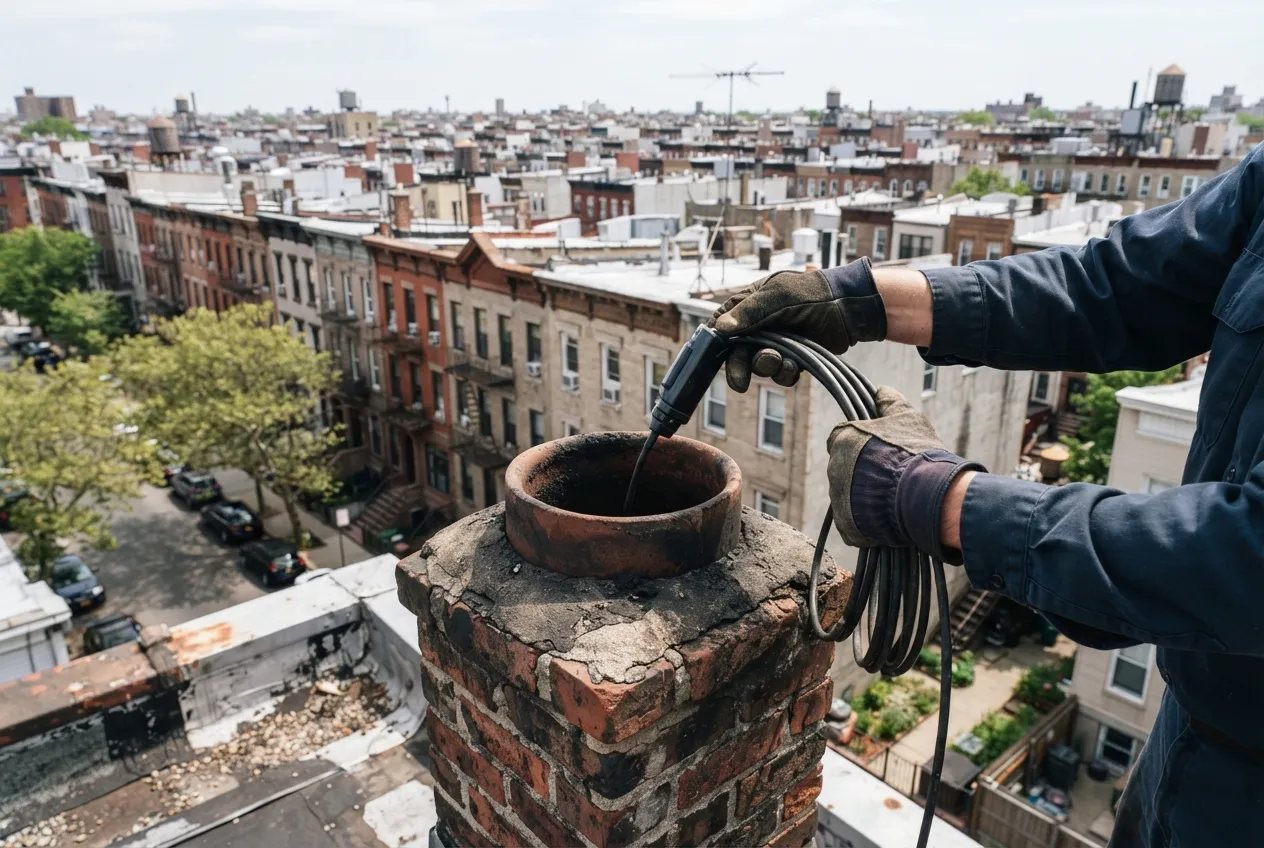
When a New York City building converts its boiler from oil to gas, the chimney has to be evaluated as part of the work. A new liner is often needed. Gas exhaust produces acidic condensate, which can corrode a masonry flue over time. If you are planning a conversion in Long Island City or elsewhere in Queens, we can inspect the flue first. We will tell you whether relining is likely so it can be planned along with the boiler work.
Dryer Vent Cleaning
According to the U.S. Fire Administration, failure to clean is the leading factor contributing to clothes dryer fires in homes. Lint gets past the filter and collects inside the duct and at the outside hood, where you cannot see it. Common warning signs include:
We clean the full run from the dryer to the outside vent and check that the hood flap opens freely.
- Clothes still damp after a normal cycle
- A dryer or laundry area that feels unusually hot
- A burning smell while the dryer runs
- Weak or no airflow at the outside vent
Time for your annual chimney check?
Air Duct Cleaning: When It Actually Helps
We follow the U.S. EPA's guidance on duct cleaning. The EPA advises cleaning air ducts when there is substantial visible mold growth, vermin, or excessive dust and debris. It also says duct cleaning has not been shown to prevent health problems, so we will not promise that it does.
The EPA also warns consumers to research the process before responding to very cheap advertised offers, and to be careful with chemical treatments. We show you what is in your ducts first and explain any treatment before we use it. That way you can decide whether cleaning is worth doing.
Plan Around the Heat Season
New York City's heat season runs from October 1 through May 31. During those months, building owners must keep apartments heated to the city's minimum temperatures. For owners of multi-family buildings, a chimney or flue problem in winter can become urgent quickly. Scheduling an inspection and cleaning before October leaves time for repairs. We do this work year-round.