The short answer
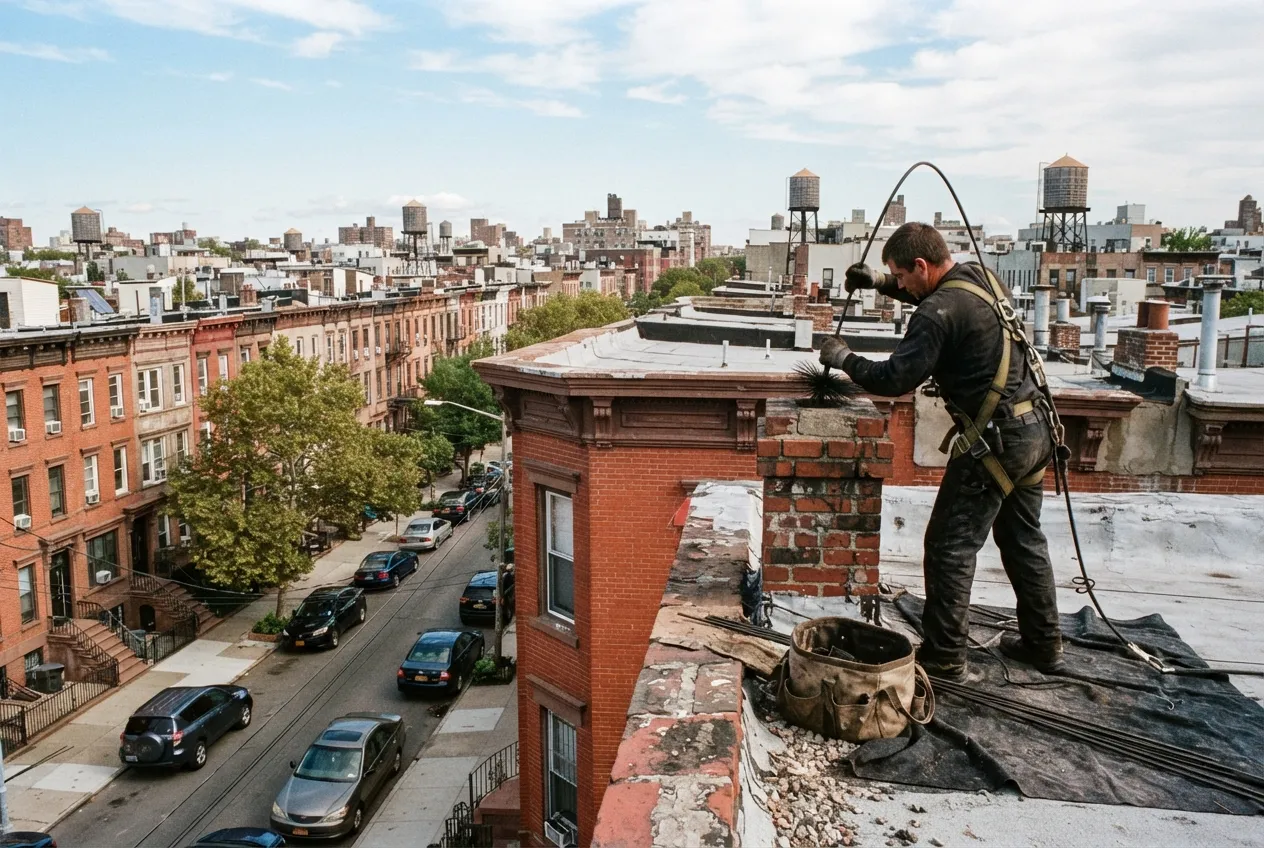
StrongHold Chimney Services provides chimney sweeping, inspection, repair, liner installation, and dryer vent and air duct cleaning throughout Murray Hill (ZIP codes 10016 and 10168). We come from our Williamsburg, Brooklyn office, about 2 miles away, and plan most work around New York City's heat season so your heating system is ready before it is needed.
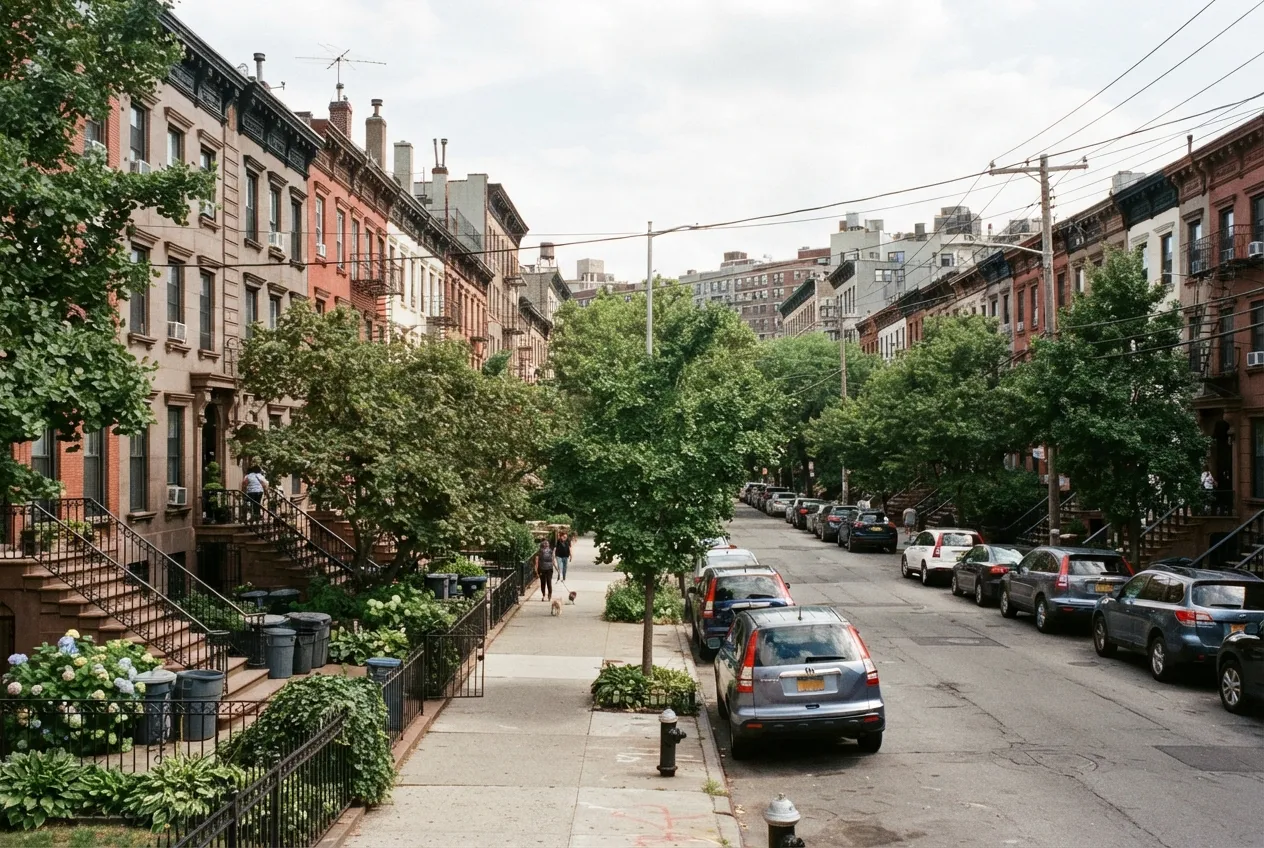
StrongHold Chimney Services works in Murray Hill from our office in Williamsburg, Brooklyn, about 2 miles away. We clean, inspect and repair chimneys, fireplaces, liners, dryer vents and air ducts in homes across ZIP codes 10016 and 10168. Murray Hill has brownstones, rowhouses and pre-war apartment buildings, many with masonry flues that have served wood fireplaces, coal stoves, oil boilers and now gas equipment over the decades. Our certified technicians look at the whole venting system, explain what they find in plain terms, and recommend only the work your home actually needs.
Chimney Care for Murray Hill Brownstones and Pre-War Buildings
Many older Murray Hill homes have chimneys that were built for wood or coal. Over time, many of these flues have been switched to oil and then to gas, often without a full look at whether the masonry and liner still suit the appliance. The NFPA 211 standard calls for chimneys, fireplaces and vents to be inspected once a year. A yearly check is the simplest way to catch cracked flue tiles, loose mortar, blockages and heavy creosote before they become a safety problem.
Inspections come in three levels. A Level 1 inspection fits a system that hasn't changed. A Level 2 inspection is used when something changes, such as a new boiler or water heater, a switch of fuel, or the sale of the home. A Level 3 inspection is for cases where a hidden hazard can only be reached by opening part of the chimney or the building. We tell you which level applies and why before any work begins.
Oil-to-Gas Conversions and Chimney Liners
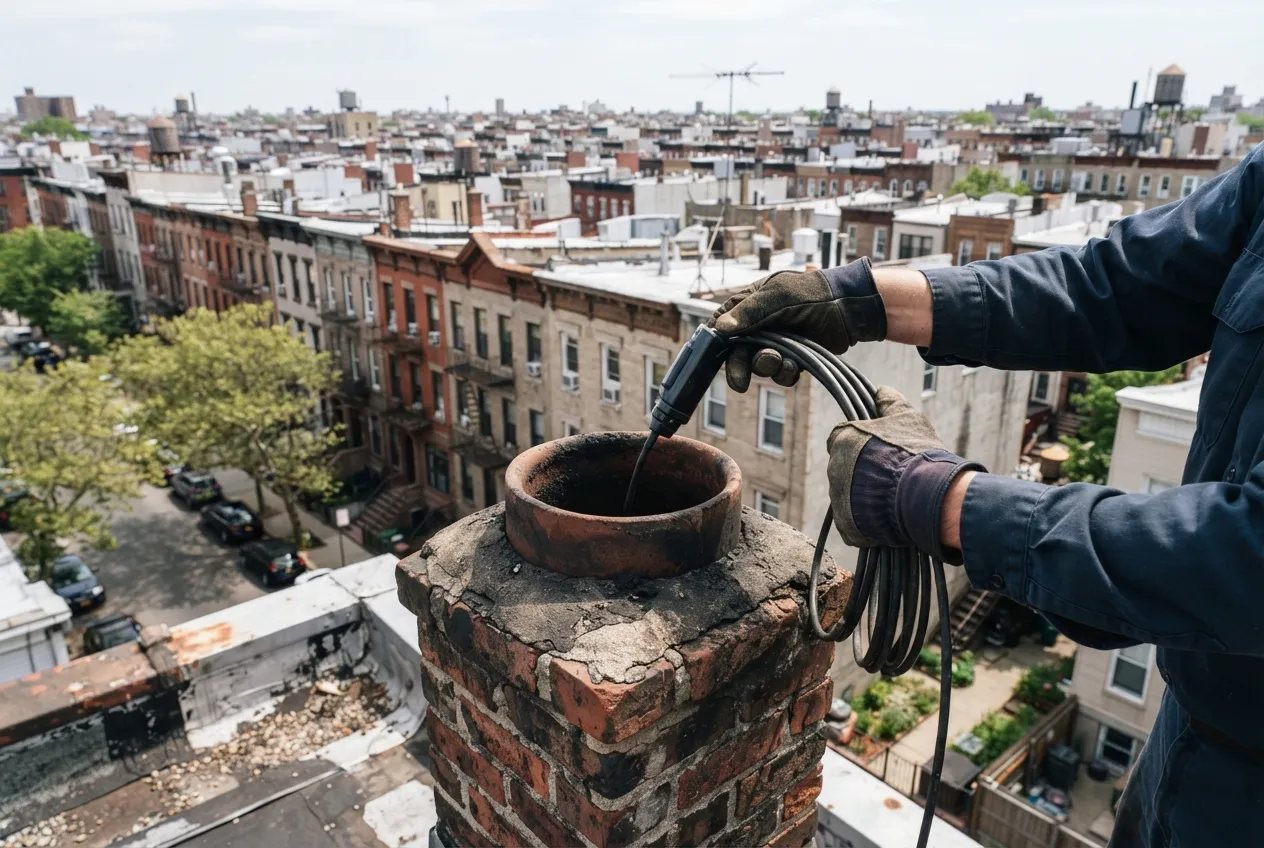
When a New York City building converts its boiler from oil to gas, the chimney has to be evaluated as part of the job. A new liner is often needed. Gas exhaust produces acidic condensate, which can wear away mortar and clay tiles in an older masonry flue. In a brownstone or pre-war apartment building, that damage can stay hidden inside the walls until it causes leaks, crumbling brick or venting problems.
We inspect the flue, confirm its size and condition, and install a liner that suits the new appliance. If the masonry itself is too far gone, we explain the repair or rebuilding options so you can plan the conversion with a full picture.
How Manhattan Weather Wears on Chimneys
Murray Hill gets cold winters, hot and humid summers, and heavy wind-driven rain from coastal storms. Water is the main enemy of masonry. It soaks into brick and mortar, freezes, expands and slowly forces the joints apart. Over a few winters, that freeze-thaw cycle can loosen the crown, crack the flue and let water reach ceilings and walls below.
Simple protective work holds up well against this:
- Chimney caps and chase covers to keep rain, snow, debris and animals out of the flue
- Chimney waterproofing with a breathable sealant that lets moisture escape from the masonry
- Repointing and crown repair to close the gaps where water gets in
- Fireplace and damper repair so cold air and moisture stay out when the fireplace isn't in use
Time for your annual chimney check?
Dryer Vent and Air Duct Cleaning
According to the U.S. Fire Administration, failure to clean is the leading factor contributing to clothes dryer fires in homes. In Manhattan, dryer vents often run long distances through walls and ceilings before they reach the outside, and lint builds up quickly in those runs. If your dryer takes longer than it used to or the laundry area feels hot, the vent is due for a cleaning.
For air ducts, we follow the U.S. EPA's guidance. The EPA advises cleaning when there is substantial visible mold growth, vermin, or excessive dust and debris. It also notes that duct cleaning has not been shown to prevent health problems. We look first and tell you honestly whether cleaning makes sense. We are also careful with chemical treatments and use them only when there is a clear reason.
Scheduling Around Heat Season
New York City's heat season runs from October 1 through May 31. During those months, building owners must keep apartments heated to the city's minimum temperatures. That makes late spring and summer the easiest time for liner installation, rebuilding and other larger projects, because the heating system can be offline without affecting tenants. We also handle urgent repairs during the winter.
Besides Murray Hill, we serve nearby neighborhoods including the East Village, Lower East Side, Chinatown, Greenpoint and Williamsburg.
ZIP codes we serve
- 10016
- 10168